
Wellness
Exercise eases depression and anxiety in kids
When children took part in structured exercise programs, their symptoms of depression and anxiety improved.


With more than three-quarters of children and teens experiencing depression or anxiety, parents are desperate for effective solutions. Now, new research from the University of South Australia shows that something as simple as regular exercise could be a powerful intervention to support young people’s mental health.
In the largest meta-meta-analysis of 375 clinical trials involving more than 38,000 young people, UniSA researchers found that when children took part in structured exercise programs, their symptoms of depression and anxiety improved. Specifically, the study found that:
- Anxiety improved most through low-intensity, resistance exercises, such as light weights or gentle circuit activities.
- Depression improved most through moderate-intensity, mixed-mode and resistance training, including circuits that combine aerobic and strength programs, particularly in programs lasting less than three months.
The biggest improvements in depression symptoms occurred in programs lasting fewer than 12 weeks, suggesting that benefits can emerge relatively quickly – especially for children aged 12 and over.
No significant differences were seen among the frequency of exercise sessions per week.
Children with depression and ADHD also showed the greatest improvements from exercise.
Lead researcher, UniSA’s Dr Ben Singh says the findings present parents with a non-invasive, low-cost solution to combat poor mental health in kids.
“Depression and anxiety are among the most prevalent mental health issues affecting children and
teenagers worldwide,” Dr Ben Singh says.
“Evidence-based treatment guidelines often recommend cognitive behaviour therapy and antidepressants as first-line interventions, yet 40-60% of children don’t receive treatment or fail to gain sufficient benefits, so we clearly need alternatives.
“Exercise is a low-cost, widely accessible strategy that could make a real difference to children’s mental health. And while people know that exercise is generally good for your health and wellbeing, there is little evidence that shows how exercise works for kids nor the types of exercise that might work better than others.
“Our study draws together global evidence to show that gentle, light-intensity exercise is highly effective in reducing anxiety in children and teens, while medium-intensity programs that combine resistance and aerobic training – like circuits with weights – can counteract depression.
“Importantly, it demonstrates how exercise is an effective, accessible, lifestyle intervention that can immediately improve mental health issues in children, without first defaulting to medicines.”
Senior researcher, UniSA’s Prof Carol Maher says the findings reiterate the importance of exercise for mental health.
“Exercise should be a core part of mental health care for children and teens, whether at school, in the community, or clinical settings,” Prof Maher says.
“Short, structured programs that include strength training or a mix of activities seem especially promising, but simply exercising, even for short amounts of time will deliver benefits.
“And for parents, rest assured – you certainly don’t need to fork out money for a gym membership or training program; play-based activities, games, and sport are all valuable forms of movement that can support mental wellbeing.
“The key message is simple: get active and keep active. Even short bursts of movement can make a real difference to a child’s mental health and wellbeing – especially for those who are struggling”.



Wellness
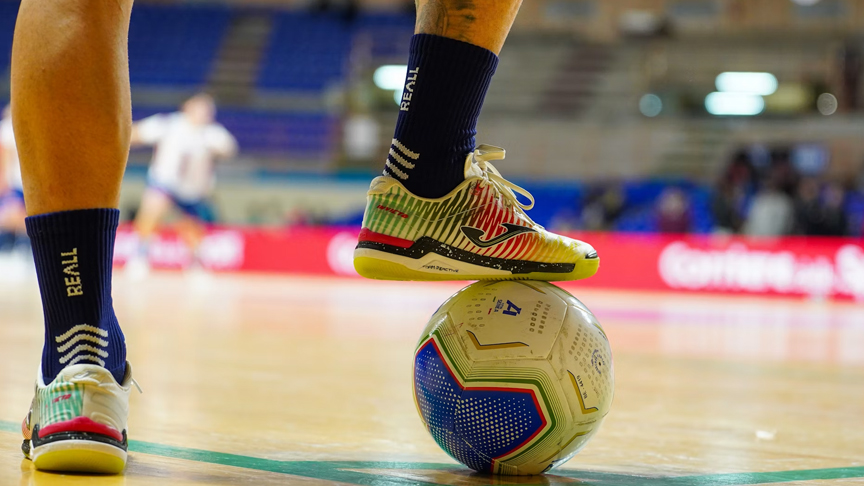
Walking and weight training alone are not enough for strong bones – football and handball may be more effective
Bone formation was stimulated most effectively by activities involving explosive movements, rapid changes of direction, and turning. The findings could help improve exercise programs designed to maintain bone health and prevent osteoporosis.

When it comes to maintaining healthy bones, how intensely we exercise may matter more than how much we exercise, according to researchers at Semmelweis University.
Their study, published in Sports Medicine – Open, found that bone formation was stimulated most effectively by activities involving explosive movements, rapid changes of direction, and turning. The findings could help improve exercise programs designed to maintain bone health and prevent osteoporosis.
Researchers at Semmelweis University analyzed the results of 24 clinical studies involving a total of 1,238 healthy adult participants. Rather than tracking changes in bone mineral density, the studies measured substances in the blood that indicate whether the body is actively building new bone tissue. These so-called biomarkers can reflect the effects of exercise within just a few weeks, providing feedback much earlier than bone density measurements.
“What makes our study unique is that we examined not only the type of exercise – whether endurance, resistance, or combined training – but also exercise intensity, frequency, and duration. Our goal was to determine which forms of exercise stimulate bone metabolism most effectively and which appear to be less beneficial from this perspective,” said dr. Péter Ferdinandy, Vice-Rector for Science and Innovations at Semmelweis University and senior author of the study.
The most effective activities were high-intensity sports involving frequent explosive movements, rapid changes of direction, and turning. Recreational football and handball, for example, were associated with increases of up to 45–46 percent in the levels of substances linked to bone formation. In contrast, walking, step aerobics, and traditional gym-based resistance exercises were generally less effective.
What should you keep in mind?
It is important not to start a high-intensity exercise program suddenly or without proper preparation. This is particularly true for people with cardiovascular, musculoskeletal, or metabolic diseases, as well as those living with osteoporosis. Before beginning a new type of exercise or a more demanding training program, they should consult their treating physician, general practitioner, or a sports medicine specialist to ensure that the activity and its intensity are appropriate for their individual health status.
“The most surprising finding was that resistance training did not produce a significant effect on markers of bone metabolism, even though several professional guidelines recommend this type of exercise for maintaining bone health. Likewise, low- or moderate-intensity endurance exercise, such as walking or jogging, showed no meaningful long-term effect,” explained Viktória Barna, PhD student at Semmelweis University and first author of the study.
This, of course, does not mean that walking or lower-intensity physical activity is without health benefits. However, if the goal is to keep bones strong and healthy for as long as possible, they appear to require a greater mechanical stimulus.
“According to the World Health Organization, regular physical activity offers numerous health benefits. However, our findings suggest that low-intensity exercise alone is not sufficient to stimulate bone metabolism. High-intensity exercise may trigger early beneficial changes in bone formation, potentially helping to slow bone loss and support healthy ageing,” summarized dr. Nóra Sydó, clinical specialist and co-author of the study.
According to the researchers, these findings could contribute to the development of evidence-based exercise programs aimed at maintaining bone health and preventing osteoporosis.
NewsMakers
Move to quit: Exercise boosts smoking quit rates
Researchers found that people taking part in exercise programs were 15% more likely to achieve continuous abstinence and 21% more likely to report not smoking over a seven-day period, compared with control groups.

A pack-a-day smoker can spend around $14,000 a year on cigarettes, yet despite the financial and health costs, quitting remains one of the most difficult changes many people will ever attempt.
Now, new research from Adelaide University shows that exercise can help people quit smoking by reducing cigarette consumption, easing cravings and improving their chances of quitting.
Researchers found that people taking part in exercise programs were 15% more likely to achieve continuous abstinence and 21% more likely to report not smoking over a seven-day period, compared with control groups.
They also found that exercise could reduce cigarette consumption by two cigarettes per day, and that a single bout of exercise immediately reduced cigarette cravings for up to 30 minutes after exercise.
The systematic review and meta-analysis examined 59 randomised controlled trials involving more than 9000 participants, exploring the effects of both single bouts of exercise and long-term exercise programs on smoking cessation, cravings, withdrawal symptoms and mood.
Globally, tobacco smoking remains the leading preventable cause of premature morbidity and mortality, accounting for about 7 million deaths, including an estimated 1.6 million non-smokers who are exposed to second-hand smoke.
Around the world, e-cigarette use has now reached more than 100 million people.
The researchers say exercise should be viewed as an additional tool that can be used alongside established smoking cessation support.
Lead researcher, Dr Ben Singh said the findings provide smokers with a practical, low-cost tool that can support their quitting journey.
“Quitting smoking is one of the best things a person can do for their health, but it’s also one of the hardest,” Dr Singh said.
“Many smokers want to quit, but the current approaches don’t work for everyone. That’s why we need more strategies that people can incorporate into their daily lives at little or no cost.
“Something as simple as regular exercise can make a meaningful difference to people trying to quit, helping them manage cravings, smoke less and improve their chances of quitting.”
While smoking rates have reduced over the past two decades, demand for e-cigarettes and heated-tobacco products have risen, targeting the younger generation.
Today, 80% of the 1.3 billion tobacco users worldwide live in low- and middle-income countries, yet in contrast, vaping has risen across many OECD countries.
Senior researcher Adelaide University’s Professor Carol Maher said exercise could be used strategically to ward off tobacco cravings.
“Quitting smoking does not have to begin and end with willpower alone,” Prof Maher said.
“Cravings can be difficult to manage, but they often pass. Our review found that even a single bout of exercise can reduce cravings for up to 30 minutes, which may help people get through some of the hardest moments of a quit attempt.
“Exercise should not replace evidence-based quit supports such as counselling and smoking cessation medication, but it may be a practical, low-cost strategy that people can use alongside them.”
The researchers say the next step is to test how exercise can be built into real-world quit programs, including digital, community and clinical services, and to examine whether it can also support people trying to quit vaping, where evidence is currently lacking.
Wellness
Midlife fitness linked to longer, healthier lives
Researchers note that improving fitness during midlife may be a key strategy for promoting healthy aging and preserving quality of life later on, even with modest increases in physical activity.

How fit you are in midlife may help determine not just how long you live, but how many of those years are spent in good health, according to a study published in the JACC, the flagship journal of the American College of Cardiology.
The study found that adults with higher levels of cardiorespiratory fitness in midlife lived longer lives, developed fewer chronic diseases and spent more years free from serious illness compared with those who were less fit.
Cardiorespiratory fitness—how well the heart and lungs supply oxygen during physical activity—is known to reduce the risk of heart disease and early death. This study extends prior research by showing that fitness also plays a meaningful role in healthy aging, defined as years lived without major chronic disease.
The findings indicate that higher fitness in midlife is strongly associated with later onset of chronic disease, lower overall disease burden and longer life expectancy. These benefits were observed in both men and women.
Researchers followed more than 24,500 men and women who were healthy through age 65 and tracked their health outcomes later in life using Medicare data. Fitness was measured earlier in adulthood using a treadmill test, and researchers examined the development of 11 major chronic conditions, including heart disease, diabetes, kidney disease and cancer.
Compared with people who had low fitness levels, those with high fitness in midlife experienced clear benefits later in life. On average, they developed chronic diseases at least 1.5 years later, had fewer total conditions and lived longer overall. These patterns were seen in both men and women and across different ages, body weights and smoking histories.
Importantly, the study emphasizes health span—not just lifespan—highlighting that fitness helps people live more of their lives in good health, not simply live longer with disease.
The findings also underscore the public health value of physical activity, as cardiorespiratory fitness can be improved through regular movement such as brisk walking, cycling or other aerobic exercise.
Researchers note that improving fitness during midlife may be a key strategy for promoting healthy aging and preserving quality of life later on, even with modest increases in physical activity.

Study links coffee consumption to metabolic health and sex hormones

Manulife Investments Philippines leads UITF rankings across equity and fixed income funds

Scheduling dental care during prenatal visits boosts oral health care during pregnancy

Enjoying the grilling at Mandaue City’s Matias BBQ

Dogs can distinguish between human fear and sadness

Pet dog microbiota may protect young children from respiratory tract infections and reduce the need for antibiotic courses

Walking and weight training alone are not enough for strong bones – football and handball may be more effective

Keeping kitty indoors is not the cat-astrophe that owners fear

Why a UTI hurts — and why that might be a good thing

Pregnancy complications can signal heart disease risk years before traditional screening, study finds

Filipinos prioritize independence as legacy for longer lives

Coffee and heart health: How many cups of caffeinated coffee are safe to drink each day?

Going Chinese in Pulilan, Bulacan

Eating out in Cebu in one place via Pusô Village
Pregnancy complications can signal heart disease risk years before traditional screening, study finds
Why a UTI hurts — and why that might be a good thing

Posture can influence your mood and behavior, study suggests
Walking and weight training alone are not enough for strong bones – football and handball may be more effective
Dogs can distinguish between human fear and sadness
Scheduling dental care during prenatal visits boosts oral health care during pregnancy

-
 NewsMakers4 weeks ago
Filipinos prioritize independence as legacy for longer lives
-
 NewsMakers4 weeks ago
Coffee and heart health: How many cups of caffeinated coffee are safe to drink each day?
-
 Destinations4 weeks ago
Going Chinese in Pulilan, Bulacan
-
 Destinations3 weeks ago
Eating out in Cebu in one place via Pusô Village
-
 NewsMakers3 weeks ago
Pregnancy complications can signal heart disease risk years before traditional screening, study finds
-
 NewsMakers3 weeks ago
Why a UTI hurts — and why that might be a good thing
-
 NewsMakers3 weeks ago
Posture can influence your mood and behavior, study suggests
-
 Wellness3 weeks ago
Walking and weight training alone are not enough for strong bones – football and handball may be more effective