
Health
Living with high blood pressure: Ways to deal with symptoms
Once you have been diagnosed with high blood pressure, there are some lifestyle changes you should make. These can help lower your blood pressure and lead a healthy life.


High blood pressure can increase the chances of strokes and heart attacks. However, many people don’t get treated for it as it rarely shows symptoms. There are many reasons why someone may develop high blood pressure. Some of the main ones include age, obesity, and drinking or smoking too much.

Once you have been diagnosed with high blood pressure, there are some lifestyle changes you should make. These can help lower your blood pressure and lead a healthy life.
REDUCE SODIUM INTAKE
One reason why some people develop high blood pressure is that they have too much sodium in their diet. This is found in salt, deli meats, and some ready meals. If your intake of sodium is too high, your body will find it difficult to manage and regulate your blood pressure. So it is important that you cut this out of your diet. You need some sodium in your diet, but it shouldn’t be more than 1,500 mg a day.
LOSE EXTRA WEIGHT
There are many reasons why you should try and lower your blood pressure. Not only will you be able to lead a healthier lifestyle but blood pressure readings affect life insurance. And as blood pressure can cause other serious illnesses, it is super important to get its many symptoms in check. Such as obesity. Many people with high blood pressure find it easy to put on weight. But if you try and keep the extra weight off, you will find that blood pressure reduces. And the risk of other diseases and health conditions reduces as well.
HEART-HEALTHY FOODS
Eating a healthy diet isn’t the only way to combat high blood pressure through food. You should also include many foods that are extremely good for your heart’s health. Lots of nutrients found in dairy products and some vegetables can help to greatly reduce blood pressure. Try to eat plenty of whole grain bread, lean white meat, and starchy vegetables.
MEDICATION
Once you are diagnosed with high blood pressure, you will be given medication to take. You will normally be given tablets that you will have to take once a day. It is very important that you take these as the doctor prescribes. If you miss a tablet, all your symptoms will reappear again. Common blood pressure medications include ACE inhibitors and beta blockers.
CUT DOWN ON DRINKING AND SMOKING
Are you regularly drinking over the recommended daily units of alcohol? If so, you will be increasing your risk of getting high blood pressure. It is important that you don’t drink too much alcohol once you have been diagnosed with the condition. Try not to drink more than fourteen units per week. As alcohol is very high in calories, you will also find that cutting back on drinking can help you lose weight. It is also necessary to reduce the amount you smoke. This is good for your overall heart health and can reduce your risk of life-threatening illnesses.
Follow the above steps, and you will find your symptoms and high blood pressure easier to deal with.








Health
Self-care for sick days
To help navigate this cough, cold and flu season, consider these tips.

Cooler weather inevitably means cough, cold and flu season isn’t far behind. Now is the time to take precautions and set yourself up with healthy habits.
“As much as we try, avoiding viruses, bacteria and germs to prevent getting sick can be a challenge,” Dr. Tim Tiutan, MD, said. “However, being prepared with the right remedies, listening to your body and its symptoms and remaining diligent with a healthy routine is just as important as treating symptoms head on.”
To help navigate this cough, cold and flu season, consider these tips from Tiutan and the experts at Mucinex.
Prepare and Prevent
You won’t find a foolproof way to keep germs away, but you can lessen your chances of getting sick and make sure you’re equipped to weather an illness.
- Practice healthy habits. Keeping your body in prime condition can help ensure you’re in the best condition possible to fight back when germs attack. That means keeping up with exercise and ensuring you’re getting enough vitamins and nutrients through a well-balanced diet.
- Get a flu shot. The flu shot gives your body a head start in fighting back against flu bugs. If you’re exposed to the flu after receiving the shot, your body can immediately go on the offensive against those germs. You may not stay completely symptom-free, but you’re more likely to experience a mild case and be back on your feet quicker.
- Restock the medicine cabinet. The start of cough, cold and flu season is an ideal time to dig through your medicine cabinet. Start by discarding any medications that are out of date and make a list of anything you need to replenish. Be sure to include pain relievers, fever reducers, decongestants, antihistamines and cough syrups to fight symptoms. It’s also a good time to restock items like tissues, cough drops, hand sanitizer and anti-bacterial soap.
Treat Symptoms
Although the flu can hit fast, it’s often hard to tell at first whether your symptoms are due to a simple cough, cold or a case of the flu. Either way, managing symptoms like a cough can bring relief and help you keep comfortable and get plenty of rest.
- Give your body time to heal. Sleep plays an important role in your overall health, especially when you’re under the weather. On average, you need 7-9 hours each night to give your body enough time to fully recharge. When you’re sick, you likely need even more, and it’s a good idea to dial back your activity level, too. Pushing your physical limits often only delays your recovery time.
- Take medications as directed. Nagging symptoms can often keep you from getting the sleep you need. One way to give your body the break it needs is to effectively manage symptoms. A hacking cough is a common symptom that can be painful and disrupt your sleep. Consider an option like Mucinex DM 12-Hour, a cough suppresent which relieves chest congestion and thins and loosens mucus, giving you an extended reprieve. It’s clinically proven to last up to 12 hours, provides relief for chest congestion and makes coughs more productive.
Prevent Spread
Getting sick may be beyond your complete control, but you can take steps to protect others from germs when you’re feeling ill.
- Keep germs to yourself. Washing your hands often, covering your nose and mouth with a tissue when you cough or sneeze and sneezing into your elbow if you don’t have a tissue are simple ways you can limit the spread of germs, especially within your home or workspace. Frequently wiping down high-touch surfaces can also help reduce the spread of germs.
- Skip socializing. If you’re feeling under the weather, stay home. Even a mild cold can easily spread, and an illness that affects you mildly could cause significant distress for someone else. Avoid unnecessary errands and take advantage of services like curbside pickup if you must get out. Also check with your employer about working remotely if you’re up to it.
Cold vs. Flu
There’s a lot of overlap between cold and flu symptoms, so it can be tricky to figure out whether the bug you’re fighting is a cold or influenza and how to tackle it.
While both the common cold and the flu are respiratory illnesses, they are not caused by the same viruses. Although colds are inconvenient, they are far less likely to develop into anything more serious, as the flu can.
What is a Cold?
Generally, colds are milder than the flu, and more likely to cause runny or stuffy noses (while the flu can cause stuffy or runny noses, it’s less likely to do so). You won’t feel good, but you’ll probably be able to do some or all of your daily tasks. The flu typically hits harder, making it difficult to go to work or follow your usual routine.
What is the Flu?
The flu often feels worse than a cold; you might experience the same symptoms but amplified. The flu comes with more pain and fever than a cold. Common flu symptoms include sore throat, chills, fever, runny or stuffy nose, muscle fatigue or aches and headaches. The flu can also develop into more serious conditions and complications, making it more dangerous than the average cold. While the common cold is rarely serious, the flu can be dangerous for young children, the elderly, pregnant women and people with compromised immune systems.
Treating a Cold vs. Flu
You can be vaccinated against the flu. There is no such vaccine for common colds. If your provider recommends it, getting the flu vaccine each year can go a long way toward preventing sickness.
Whether you have a cold or the flu, symptom relief is largely the same. Get plenty of rest, drink plenty of fluids and take over-the-counter medicines to relieve symptoms. Stay home to avoid spreading sickness. Wash your hands frequently and cover your mouth when you cough or sneeze.
Watch for shortness of breath, chest or abdomen pain, confusion, sudden dizziness, severe or persistent vomiting and flu symptoms that improve then return with fever and worse cough. If you experience any of these symptoms, consult a doctor.
Find more ways to stay healthy and limit symptoms by visiting Mucinex.com.
Health
5 Tips For Proper Oral Care
It’s crucial that you practice proper oral care, by following these habits.


They’re incredibly important, yet so many people take them for granted—our teeth. A healthy smile is an important part of your overall health since your teeth are such an important and useful part of your body.
It’s crucial that you practice proper oral care, by following these habits.

Always Brush Before Bed
Dentists recommend brushing your teeth three times a day to ensure you remove harmful buildup. However, not everyone manages to make it to three, which isn’t the end of the world. Yet, if there’s one of these three brushing times that you absolutely can’t get away with skipping, it’s nighttime.
At night, your teeth have all of the food that you ate throughout the day, and also germs that cause bad breath. When you go to bed without brushing you’re allowing all of that to sit on your teeth for the duration of however long you sleep, which is usually about 8 hours. Yuck!

Visit Your Dentist
Brushing your teeth daily is already a great step towards overall tooth health. However, there are some things that a toothbrush simply can’t do. It’s important that you see a dentist regularly to get cleanings and address dental issues.
Sometimes despite our best efforts to brush, we still develop cavities. Unfortunately, this is just the way things are. A dentist can help us identify these cavities, and fill them as soon as possible so they don’t turn into something more serious like a root canal.

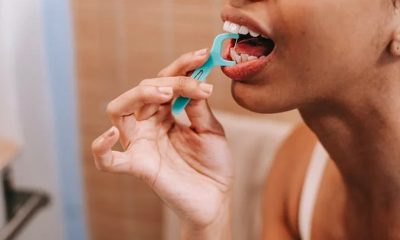
Floss
Despite having the best toothbrush on the market, there are crevices and cracks in your mouth that even the best toothbrush can’t touch. In addition to brushing, you should make sure that you floss.
Flossing won’t just reduce your risk of developing cavities, but it can significantly improve your breath. There are all sorts of germs and bacteria lurking in between your teeth, and flossing can get rid of that. If you notice that your breath still isn’t entirely fresh even after brushing, then pull out the floss and you’ll notice a big difference.

Avoid Sugar
There are plenty of things that are less than ideal for your health. However, most health professionals agree that one of the worst things for you is sugar and your dentist feels the same. The less sugar you eat, the healthier your teeth will be, as sugar eats away at your tooth enamel.
If you do eat sugar, make sure that you brush your teeth after. One of the worst things you can do is eat sticky candy which leaves behind residue on your teeth and is the perfect recipe for cavities.

Avoid Acidic Foods
In addition to sugary foods, acidic foods are also your teeth’s worst enemy. From coffee to citrus fruits, limit the number of acidic beverages and foods you consume, and your tooth enamel will greatly thank you for it!
Health
Tips for walking 20,000 steps a day
To walk 20,000 steps a day you’ll need to cover a total of 10 miles. This may seem like a lot, but it’s actually not as difficult as it sounds.


To walk 20,000 steps a day you’ll need to cover a total of 10 miles. This may seem like a lot, but it’s actually not as difficult as it sounds. Here are a few tips to help you reach your goal:
Invest in a Good Pair of Shoes
The first step to walking 20,000 steps a day is to make sure you have the right equipment. Investing in a good pair of walking shoes will help to prevent blisters and injuries, and make the walk more comfortable overall.
Make Walking Part of Your Daily Routine
To reach your 10-mile goal every day, make walking a part of your daily routine. This might mean taking the stairs at work instead of the elevator, or parking farther away from where you’re going so that you have to walk more. You can also try waking up a few minutes earlier each morning to fit in a walk before you start your day.
Join a Walking Group
If you’re having trouble finding time to fit in 10 miles each day, consider joining a walking group or taking part in a local 5k race. This will help keep you motivated and provide social support along the way.
Start Small
Don’t try to walk 20,000 steps all at once. Start with a smaller goal, such as 5,000 steps per day, and gradually increase your mileage as you become more fit. This will help you avoid injury and burnout.
Stay Hydrated
Make sure to stay hydrated while walking by drinking plenty of water throughout the day. This will help you feel more energized and prevent dehydration-related issues, such as muscle cramps or fatigue.
The Bottom Line – BetterMe Can Help You Walk More, Every Day
If you’re looking to improve your overall health, walking 20,000 steps a day can help. This simple form of exercise offers a host of health benefits, from improved sleep and digestion to reduced stress and anxiety. To reach your goal, use the BetterMe Blog as a guide and stay committed every day. With enough dedication, you can achieve your fitness goals and transform your body for the better.

Heading to Pila, Laguna? Check out La Cosina Antonio

Pasalubong shopping in Davao via Aldevinco

The look and feel of your neighborhood may affect your sleep

Workout or nap? Either can help your sleepless brain, study finds

Study links coffee consumption to metabolic health and sex hormones

Manulife Investments Philippines leads UITF rankings across equity and fixed income funds

Scheduling dental care during prenatal visits boosts oral health care during pregnancy

Enjoying the grilling at Mandaue City’s Matias BBQ

Dogs can distinguish between human fear and sadness

Pet dog microbiota may protect young children from respiratory tract infections and reduce the need for antibiotic courses
Scheduling dental care during prenatal visits boosts oral health care during pregnancy
Pasalubong shopping in Davao via Aldevinco
Study links coffee consumption to metabolic health and sex hormones
Manulife Investments Philippines leads UITF rankings across equity and fixed income funds
The look and feel of your neighborhood may affect your sleep
Workout or nap? Either can help your sleepless brain, study finds
Heading to Pila, Laguna? Check out La Cosina Antonio

-
 NewsMakers4 weeks ago
Scheduling dental care during prenatal visits boosts oral health care during pregnancy
-
 Destinations2 weeks ago
Pasalubong shopping in Davao via Aldevinco
-
 NewsMakers4 weeks ago
Study links coffee consumption to metabolic health and sex hormones
-
 Product Showcase4 weeks ago
Manulife Investments Philippines leads UITF rankings across equity and fixed income funds
-
 NewsMakers3 weeks ago
The look and feel of your neighborhood may affect your sleep
-
 NewsMakers3 weeks ago
Workout or nap? Either can help your sleepless brain, study finds
-
 Destinations1 week ago
Heading to Pila, Laguna? Check out La Cosina Antonio