
Wellness
Car accidents: How to ensure your safety
You can’t always prevent accidents, but you can be prepared for them. Commit as much of this guide to memory as you can.


All drivers fear car accidents. At least, all the smart ones do. The ones who are driving around without some sort of fear of car accidents are very dangerous drivers indeed. But your average driver will worry about getting into some sort of accident. Even if it’s less for health reasons and more for financial reasons, it’s the ultimate cause for concern when someone gets behind the wheel.
Unfortunately, there is no definitive way to prevent car accidents. While you can do everything in your power to prevent a car accident from your end, you can’t control everyone else on the road. Even the safest driver on the planet can get into an accident if they happen to come across the clumsiest driver around. So as important as it is to take preventative measures, you also need to be prepared. Don’t double up on safety and ignore the required preparation for an accident. If something happens, it’s best that you already know what you should do.
So this article will cover two things. You will see the most reliable ways of avoiding car accidents. You will also see a guide to what you should do if an accident does happen to you. All in all, it comprises a guide to keeping yourself safe in all circumstances.
DISTRACTIONS
The best way to avoid car accidents is to research their causes. Annoyingly, some of the most common causes of car accidents are things that could have easily have been avoided. If the people involved have been following obvious safety steps, they may have got to their destination without any trouble!
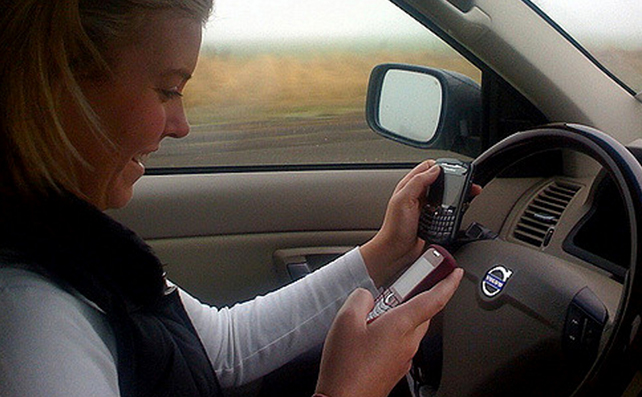
The number one cause is, of course, driving while distracted. It’s people who fail to follow one of the most important rules there are on the road. And that’s simply to keep your eyes on it. Despite being outlawed in most states in the US, for example, many people still divert their attention away from the road to check their cell phone. Eating food or checking yourself out in the mirror are also big no-nos.
EXTREME RECKLESSNESS
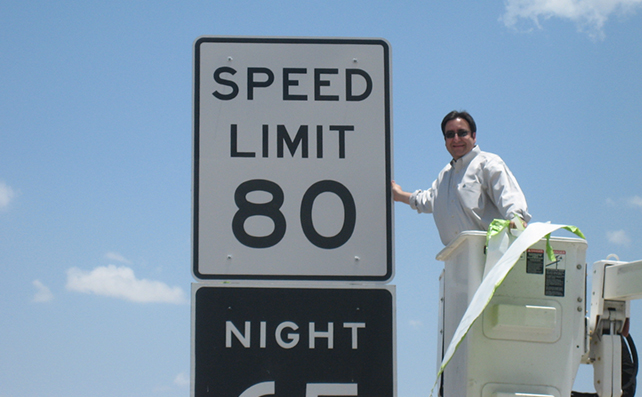
The other most common causes that are easily avoided are speeding and drunk driving. Here, we’re entering the territory of severe law-breaking. But despite the high illegality of it, research has shown that a large number of people occasionally go over the speed limit. It seems obvious to write, but there’s no avoiding it if we want to talk about accident prevention. The speed limits imposed on a particular stretch of road are not arbitrary numbers. Research was carried out on that area to get to that defined limit. Don’t go over it. (And while we’re at it, don’t go under it!)
As for drunk driving, isn’t “don’t drink and drive” tired advice by now? The problem is that many people overestimate their ability to drive under the influence. It can a take surprisingly small amount of alcohol to affect your motor functions. Don’t take the risk. Read more at GHSA.org.
VISIBILITY AND UNEXPECTED BEHAVIOR
There are other common causes of road accidents that don’t get talked about as often. Improper turns and unsafe lane changes are also up there among the most frequent causes. But there’s an element to those instances that people rarely take measures to prevent. What is often listed as the reason of the collisions themselves is that another driver was driving in your “blind spot”. This is the given name to the part of your wing mirror in which part of your own car is visible.
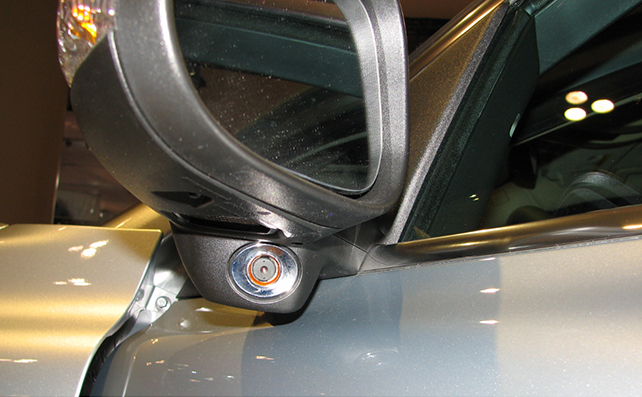
This blind spot is a big contributor to many road accidents, yet very few people take action. A lot of drivers talk about this blind spot as though it were just a natural risk of driving. But unless you’re in an abnormally large vehicle (see: a big truck), then this is avoidable. Just adjust your mirrors. You shouldn’t be to see any of your own car in your mirror.
PREPARING YOURSELF LEGALLY
If you get into an accident, a lot of instincts are going to kick in. It’s going to be difficult to think straight. You may be worried about the people you’re driving with or the other driver in the accident. You may have been injured. You may feel a surge of intense anger or shock. You’ll certainly have a lot of adrenaline coursing through your system. This is why it’s important to have the steps you need to take sorted in your head before anything happens.
I’m going to write about the legal steps first because they’re often left by the wayside. But if you’re in an accident that wasn’t your fault, then these legal steps are crucial. There are some obvious pieces of advice that you’re unlikely to fail on. For example, you need to stay on the scene. Don’t attempt to leave it until the situation is sorted. Even if the accident was caused by the other driver, you could face criminal charges for leaving too soon.
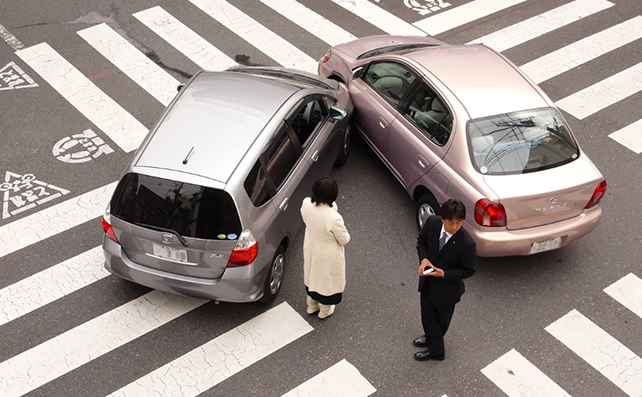
The first step is to ensure the safety of all the drivers and passengers. There are more details about this at the end of this article. Once those steps are taken, you should quickly assess the damage caused. If the damage is significant and caused by another driver’s negligence, call the police. You’ll want records of having contacted authorities about this.
You then need to do some information hunting. Get all the info you can from the other driver. You should get their name, number, insurance information and license plate number. When interacting with the other driver, do not admit blame or assign it. Stay neutral. Legal complications can follow if you end up getting into an argument about blame.
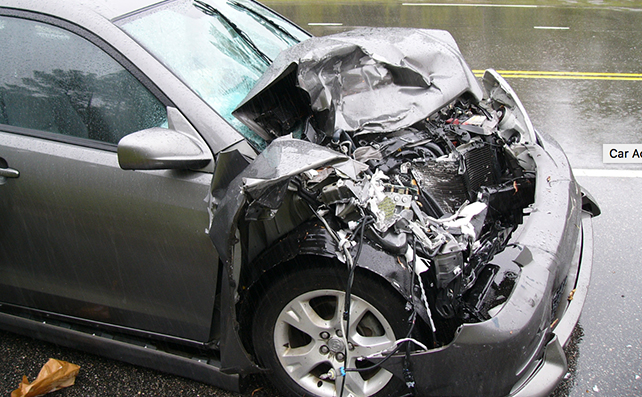
If there are any nearby witnesses, get their contact information. You then need to inform your insurance company about the accident and take as many photos of the scene as you can. If you’ve been injured, you should consider hiring an attorney. Read more at InjuryFlorida.laywer.
MAKING SURE EVERYONE IS OKAY
This is the first thing you should do after an accident. The legal steps were put first because they’re less likely to be followed correctly in the moment. It’s important that you memorize those steps in case something does happen!
Do your best to remain calm. Thankfully, most drivers actually do remain fairly calm after an accident. This is usually due to the shock. But an adrenaline rush can also cause you to act unreasonably. Take a deep breath and put all your focus into the condition of everyone around you. Move slowly at first. If you find yourself fully mobile, turn to others in the car. Ask if they’re okay. Ensure you get positive responses from everyone before leaving the vehicle. If anyone seems injured or in severe shock or upset, call an ambulance out along with the police when you make the call.
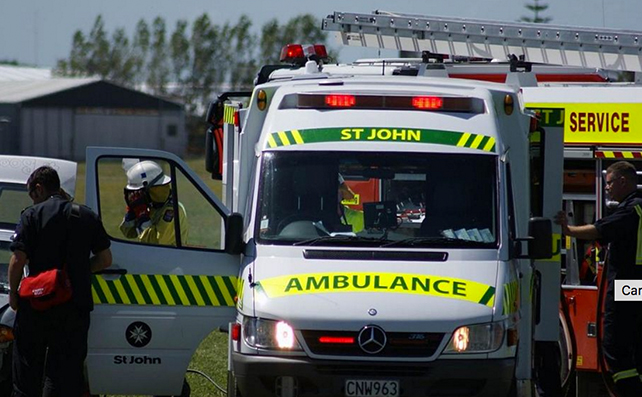
Remember that not all resultant injuries are obvious or physical. Mental health can also be affected by crashes. Read more at WedMD.com.
You can’t always prevent accidents, but you can be prepared for them. Commit as much of this guide to memory as you can.







Wellness
Men’s health expert issues warning to fans copying Mark Wahlberg’s early starts
Getting up at 3 a.m. might look like a head start in a social media morning routine. But for men tempted to copy it, there is an important question to answer before setting the alarm: what time will you actually be asleep?


A men’s health expert explains why copying an early alarm without changing your bedtime could leave you tired, unfocused and less productive
Getting up at 3 a.m. might look like a head start in a social media morning routine. But for men tempted to copy it, there is an important question to answer before setting the alarm: what time will you actually be asleep?
Anneliese Cadena, a board-certified nurse practitioner and clinical consultant at Feel30, is encouraging men to protect their sleep when adopting an earlier routine. Moving the alarm forward without bringing bedtime forward can reduce the rest needed to function well during the day.
“If you normally wake up at 7 a.m., suddenly setting your alarm for 3 a.m. while keeping the same bedtime cuts four hours from your opportunity to sleep. That can leave you feeling worse during the day, even if you manage to get out of bed.”
The consequences can undermine the very reason for getting up early. According to the National Heart, Lung, and Blood Institute, insufficient sleep can affect concentration, decision-making and reaction times, leaving people taking longer to finish tasks and making more mistakes.
For someone who needs eight hours of sleep, a 3 a.m. alarm means being asleep by 7 p.m. the previous evening. That also requires time beforehand to wind down and fall asleep.
Start with a smaller change
For men who want an earlier start, a more manageable approach is to adjust the evening routine gradually.
Cleveland Clinic recommends moving bedtime earlier by 15 or 20 minutes for a few days, then making another small adjustment. Its guidance advises seven to nine hours of sleep each night.
Someone who usually wakes at 7 a.m. could start by working toward 6:45 a.m., alongside an earlier bedtime. Further changes should leave enough time for sleep. Moving the alarm forward by a full hour every day can quickly eat into rest if bedtime does not keep pace.
If falling asleep earlier proves difficult, or daytime sleepiness increases, pause further changes and reconsider whether the target wake-up time fits your needs.
Anneliese adds:
“Choose a wake-up time that fits your responsibilities and still gives you enough sleep. Getting up at 6 a.m. and feeling rested may serve you much better than forcing a 3 a.m. start that leaves you struggling through the afternoon.”
An earlier morning starts the evening before
Changing the alarm may also mean reconsidering an afternoon coffee or a late evening spent scrolling.
The NHLBI recommends keeping a consistent sleep schedule and using the hour before bed for quiet time, while avoiding bright artificial light. It also notes that caffeine’s effects can last up to eight hours, which matters when bedtime moves earlier.
Morning daylight can help support an earlier sleep schedule. Spending time outside once it is light is one practical step, although people differ in when they naturally feel sleepy and alert.
What does sleep loss mean for testosterone?
Testosterone is one area researchers have investigated, although the findings do not justify claiming that a 3 a.m. alarm causes low testosterone.
A small University of Chicago study published in 2011, involving 10 healthy young men, found daytime testosterone levels were approximately 10% to 15% lower after about a week of sleep restricted to five hours a night, compared with a longer sleep condition.
However, two randomized studies published together in 2019 did not find an adverse effect on testosterone under the sleep-restriction conditions they tested. The studies used different schedules and measurements, and neither paper tested the social media trend itself.
The evidence supports taking sleep seriously without assuming that tiredness automatically signals a hormone problem.
Wyoming, Alaska and Montana lead searches for testosterone therapy
Separately, Feel30’s analysis of 312 testosterone replacement therapy (TRT) search terms recorded a combined estimated U.S. search volume of 3.37 million between September 2025 and August 2026.
Wyoming had the highest estimated search rate relative to population, followed by Alaska and Montana.
| Rank | State | Estimated annual searches per 100,000 residents |
| 1 | Wyoming | 3,093.0 |
| 2 | Alaska | 2,575.7 |
| 3 | Montana | 2,336.9 |
| 4 | North Dakota | 2,298.1 |
| 5 | Hawaii | 2,174.0 |
| 6 | South Dakota | 2,091.8 |
| 7 | Delaware | 2,056.7 |
| 8 | New Hampshire | 2,041.2 |
| 9 | Vermont | 2,029.0 |
| 10 | Rhode Island | 2,011.6 |
Rates use total state populations. Figures estimate searches, not individual searchers, patients or diagnoses.
Wyoming’s rate was almost three times California’s 1,045.7 searches per 100,000 residents. California recorded the largest total estimated volume, at 411,520, but ranked 41st once population was taken into account.
The rankings show geographic differences in search activity. They do not identify the states with the lowest testosterone, and the analysis did not measure sleep habits or establish any connection with early waking.
When tiredness needs checking
Persistent tiredness deserves a medical assessment, especially alongside loud snoring, gasping during sleep or breathing that stops and starts. These can be signs of sleep apnea.
Tiredness alone cannot diagnose low testosterone. The Endocrine Society recommends diagnosis only when compatible symptoms and signs are accompanied by consistently low testosterone levels, confirmed through repeat morning fasting blood tests. Treatment decisions require an appropriate clinical assessment.
Wellness
Structured exercise linked to longer cancer survival and time free of disease
Those who exercised as part of their care were 23% less likely to die and 17% less likely to have a recurrence before death than those who didn’t exercise. Separate analyses showed that they were also 18% less likely to die from any cause, and 26% less likely to die from their cancer.

Structured exercise may help people with cancer live longer and have more time free of disease, finds a synthesis of the available evidence, published in the British Journal of Sports Medicine.
The survival and recurrence risk benefits were strongest in early stage disease, in those who did aerobic exercise or aerobic exercise plus strength training, and in those who managed to keep up their exercise routines, the findings indicate.
Their analysis prompts the researchers to conclude that incorporating the therapeutic potential of exercise into cancer care merits consideration.
Cancer comes back in between 20%–40% of patients, even after standard curative surgery and chemotherapy, point out the researchers.
While structured exercise is widely recommended to ease fatigue and improve physical functioning and quality of life, its potential to prolong survival and stave off disease recurrence remains a subject of debate, they add.
In a bid to strengthen the evidence base, the researchers scoured research databases for randomised controlled clinical trials published up to the end of 2025 and reporting on survival and disease recurrence in adults with confirmed cancer who were given structured exercise programmes as part of their care.
From an initial haul of 123 studies, 21 clinical trials from North America, Europe, Australia, and Asia, involving a total of 8449 participants (88% women), met the eligibility criteria.
The average age of participants was 54 (range 47–76), and the average monitoring period was 64 months (range 2–99 months). The most common type of cancer studied was that of the breast followed by those of the bowel and pancreas.
Pooled data analysis of the results showed that structured exercise was associated with significant improvements in overall survival.
Those who exercised as part of their care were 23% less likely to die and 17% less likely to have a recurrence before death than those who didn’t exercise. Separate analyses showed that they were also 18% less likely to die from any cause, and 26% less likely to die from their cancer.
But there was no clear evidence that structured exercise prolonged the time before patients’ cancer worsened or increased the likelihood that no invasive cancer remained after standard treatment.
An exploratory analysis showed that the associations were stronger among participants who completed at least 70% of their exercise programme.
Overall survival estimates favoured aerobic exercise alone and programmes combining aerobic exercise and strength training. No clear association was found for strength training alone, but this finding was based only on one trial, involving 129 participants, note the researchers
“Aerobic exercise drives systemic cardiovascular conditioning, immune cell mobilisation, and normalisation of tumour perfusion, mechanisms directly relevant to systemic tumour control,” explain the researchers.
There are plausible biological explanations for the beneficial effects of exercise on cancer survival and risk of recurrence, they suggest.
Exercise may boost the body’s immune system response to cancer and improve blood flow within tumours, potentially helping treatment to work better. It may also lower circulating levels of sex specific hormones and increase glucose uptake by muscles, leaving less available to fuel cancer cells, they highlight. And it may help cells repair DNA damage, potentially limiting changes that can make tumours more aggressive, they add.
The researchers acknowledge various limitations to their findings, including the migration of participants in comparison groups to healthier behaviours; considerable variations in the type, duration, and intensity of the included exercise interventions; and a predominance of evidence from breast cancer trials, with relatively little evidence on advanced stage disease.
Nevertheless, they conclude: “Our meta-analysis provides direct, quantified evidence suggesting that the benefits of structured exercise may extend beyond supportive care to outcomes traditionally associated with therapeutic interventions, while underscoring that observed effects are context dependent and sensitive to trial design, conduct, and feasibility.”
They add: “On the strength of this evidence, clinicians can reasonably recommend structured exercise as part of oncological care, while recognising that important questions remain and that ongoing trials will continue to refine its optimal application.”
NewsMakers
Workout or nap? Either can help your sleepless brain, study finds
People who either completed 20 minutes of moderate-to-vigorous exercise or took a 90-minute nap performed about 22 per cent better on memory tests after 30 hours without sleep than those who did neither.

A short workout or a nap can help protect memory after a sleepless night, a McGill University-led study has found.
Researchers found people who either completed 20 minutes of moderate-to-vigorous exercise or took a 90-minute nap performed about 22 per cent better on memory tests after 30 hours without sleep than those who did neither. The findings, published in Proceedings of the National Academy of Sciences (PNAS), point to practical ways to counter the effects of sleep deprivation.
“Sleep loss affects nearly every aspect of how we think and function, but many people can’t simply stop what they’re doing and get more sleep,” said senior author Marc Roig, Professor in McGill’s School of Physical and Occupational Therapy. “Our findings show that even a brief bout of exercise may help preserve one of our most important cognitive abilities.”
The study involved 54 healthy young adults who stayed awake for 30 consecutive hours under lab supervision. Participants were then assigned to one of three groups: a 20-minute cycling session, a 90-minute nap or a control condition. Three days later, researchers tested their memory for images they had viewed immediately after the intervention. Those who exercised or napped remembered significantly more images than participants who did neither.
Same result, different pathways
While the memory benefits were nearly identical, brain recordings revealed that exercise and napping helped in different ways.
Napping appeared to help the brain recharge, making it easier to take in and remember new information. Exercise, by contrast, helped the brain use its remaining resources more efficiently, without making participants feel more tired.
The findings could eventually inform fatigue-management strategies in workplaces where sleep loss is common and mistakes can have serious consequences, such as health care, transportation and emergency response.
“A nap isn’t always possible in the middle of a shift,” said first author Madhura Lotlikar, a doctoral candidate in McGill’s Department of Neurology and Neurosurgery. “Exercise is accessible, inexpensive and easy to implement. That makes it a promising tool to help people stay cognitively sharp when sleep is limited.”
The researchers emphasize that exercise cannot replace sleep, but it may help people function better when getting enough rest isn’t possible.
About the study
“Protecting episodic memory after sleep loss: Similar benefits of exercise and naps via distinct neural contributions” by Madhura Lotlikar and Marc Roig et al., was published in Proceedings of the National Academy of Sciences of the United States of America.

Men’s health expert issues warning to fans copying Mark Wahlberg’s early starts

Manulife broadens financial literacy, clean water programs in PH

Redefining aesthetics: From anti-aging to healthy aging

Visiting San Pablo City’s Pho Viet Nam

Four to six servings of wholegrain per day lowers risk factors for heart disease

Structured exercise linked to longer cancer survival and time free of disease

Heading to Pila, Laguna? Check out La Cosina Antonio

Pasalubong shopping in Davao via Aldevinco

The look and feel of your neighborhood may affect your sleep

Workout or nap? Either can help your sleepless brain, study finds
Redefining aesthetics: From anti-aging to healthy aging
Manulife broadens financial literacy, clean water programs in PH
Men’s health expert issues warning to fans copying Mark Wahlberg’s early starts


.jpg)