
Product Showcase
Are the supplements you consume truly safe for you?
Advances in personal health assessments ranging from consultations with medical professionals to digital nutrition diagnoses and even DNA nutrition test kits are enabling individuals to better understand their nutritional needs.


In today’s fast-paced world, consumers are increasingly turning to dietary supplements to fill nutritional gaps in their diets. With busy lifestyles and evolving dietary habits, many struggle to meet their daily nutrient requirements through food alone. Advances in personal health assessments ranging from consultations with medical professionals to digital nutrition diagnoses and even DNA nutrition test kits are enabling individuals to better understand their nutritional needs.
As a result, dietary supplementation has become a popular solution for those seeking a convenient and tailored approach to maintaining their well-being. This rising consumer trust is also contributing to the rapid growth of the supplement industry, particularly in Asia Pacific.
In the Philippines, more and more Filipinos are prioritizing their health, sometimes even more than saving money or buying a house, according to a 2024 OCTA survey. This shift, largely driven by the pandemic, has made supplements a convenient and popular option for supporting wellness goals.
According to Alex Teo, Director, Research Development and Scientific Affairs, Asia Pacific, Herbalife, as demand for dietary supplements surges, so do concerns about safety, quality, and regulatory oversight. In some cases, supplements have been found to contain undeclared pharmaceutical ingredients, like synthetic drugs or contaminants that could pose serious health risks. “As a result, transparency in the dietary supplement industry has become a critical factor in earning customer trust. Brands that embrace transparency in their labelling, sourcing, and quality assurance practices can build a brand image that differentiates them in an increasingly competitive market,” said Teo.
The Evolving Regulatory Landscape in Asia Pacific
The regulatory framework for dietary supplements in the Asia Pacific region varies significantly across countries. Australia has one of the most stringent systems, with supplements regulated as therapeutic goods under the Therapeutic Goods Administration (TGA), which requires robust evidence of safety, quality, and efficacy. Products must be listed or registered depending on their risk classification, and manufacturers must comply with Good Manufacturing Practices (GMP). In contrast, Indonesia takes a more flexible approach. Supplements fall under the jurisdiction of Badan Pengawas Obat dan Makanan (BPOM), which classifies them as traditional or health supplements.
In most APAC markets, including the Philippines, dietary supplements must be registered with the regulatory authorities before they can be sold. However, supplement recalls in the region have raised questions about the industry’s regulatory oversight. Unlike the pharmaceutical sector, which undergo stringent testing and approval processes, dietary supplements are often regulated in a manner that is similar to food products, focusing primarily on labelling and general safety.
Moreover, online loopholes pose growing risks. Unregistered products are often sold on digital platforms or promoted by influencers making false or exaggerated health claims. This has prompted repeated warnings from the Food and Drug Administration and Department of Health to Filipino consumers.
As a result, the level of regulatory rigor varies widely between countries, leading to inconsistencies in safety and quality. Key regulatory considerations include:
- Regulatory Frameworks: Countries like South Korea and Taiwan have implemented comprehensive regulatory frameworks for dietary supplements, overseen by their respective food and drug authorities. Both countries require safety evaluations, functional ingredient approvals, and adherence to Good Manufacturing Practices before products can enter the market. These measures ensure high standards of safety, efficacy, and quality.
- Labelling Standards: Clear and accurate labelling is critical to consumer safety. Regulations dictate that supplement labels should list ingredients, recommended dosage, and potential side effects, though enforcement varies across the region.
- Health Supplement Claims: Many brands make claims about the benefits of their products, from boosting immunity to improving cognitive function. However, without strong regulatory scrutiny, some of these claims may be misleading or unverified.
- Advertising and Promotion: Digital marketing, especially through social media, has played a pivotal role in supplement sales. In some countries, misleading advertisements or claims can lead to penalties, while in others, enforcement is weak, making it easier for questionable products to reach consumers.
While efforts have been made such as the ASEAN Harmonization of Health Supplements initiative to develop a unified regulatory framework across Southeast Asia, the framework has yet to be fully implemented to date. Until such standards are adopted, both consumers and manufacturers must continue to navigate a complex and uneven regulatory landscape across the region.
The Importance of Scienced-Backed Supplementation
With regulatory standards differing across markets, scientific validation plays a crucial role in helping consumers make informed and confident decisions about their health. Supplements grounded in credible scientific research offer a higher level of assurance when it comes to safety, efficacy, and long-term benefits. Health and wellness brands such as Herbalife differentiate themselves by prioritizing science-backed product development and rigorous quality control. Investing in extensive research and adhering to strict compliance standards helps establish a benchmark for product safety, ensuring that consumers receive high-quality and effective supplements.
“A key aspect of this commitment is scientific validation—where formulations are developed based on credible research rather than fleeting market trends. To further ensure product safety and potency, Herbalife conducts independent third-party testing to verify ingredient purity and confirm that what is stated on the label accurately reflects the product’s composition,” added Teo.
Beyond ingredient verification, advancements in nutritional science and product formulation play a vital role in enhancing supplement efficacy. Companies that invest in cutting-edge research and collaborate with scientific experts are better equipped to develop innovative products tailored to evolving consumer health needs. The integration of new technologies, such as precision nutrition and bioavailability optimization, further enhances the absorption and effectiveness of supplements, ensuring that consumers receive maximum benefits from their dietary choices.
Through continuous advancements in formulations and the integration of cutting-edge scientific discoveries, reputable brands set higher industry standards and meet the growing demand for safer, more effective supplements.
Making Informed Choices for Your Health
As the supplement industry continues to grow, consumers must also take an active role in researching and validating the products they consume. Before purchasing a supplement, it is essential to check the ingredient list and verify whether the product contains any allergens, artificial additives, or potentially harmful substances. “Understanding the manufacturing process is equally important, opting for brands that follow Good Manufacturing Practices (GMP) and conduct third-party testing can help ensure product safety. By taking ownership of the supplement research process to make informed choices, consumers can better safeguard their well-being while benefiting from dietary supplementation,” ended Teo.







Product Showcase
Manulife broadens financial literacy, clean water programs in PH
The latest initiatives include the expansion of Peso Smart, Manulife Philippines’ flagship financial literacy program for public school students, and the launch of MGS’ three-year partnership with Waves for Water Philippines, which aims to improve access to clean water, sanitation, and hygiene in underserved communities.

Manulife Philippines, the local arm of leading international financial services firm Manulife, and Manulife Global Solutions (MGS), the company’s global solutions hub serving customers and colleagues across international markets, are advancing their commitment to supporting financial resilience and prioritizing health and well-being through expanded community investment initiatives focused on financial literacy and access to safe water.
The latest initiatives include the expansion of Peso Smart, Manulife Philippines’ flagship financial literacy program for public school students, and the launch of MGS’ three-year partnership with Waves for Water Philippines, which aims to improve access to clean water, sanitation, and hygiene in underserved communities.
Supporting financial resilience at an early age with Manulife Peso Smart
For School Year 2026-2027, Peso Smart has expanded to 26 public schools nationwide, broadening the program’s reach with a target of educating 2,700 learners within the school communities. Designed to help Filipinos build practical money management skills, the program introduces concepts such as budgeting, saving, responsible spending, and goal setting through engaging and age-appropriate learning activities.
“Financial resilience is one of the foundations of a longer and more secure life,” said Rahul Hora, President and Chief Executive Officer, Manulife Philippines. “Through Peso Smart, we’re helping young Filipinos build the knowledge, confidence, and habits to make informed financial decisions early. As we expand to more public schools and farm schools in Negros Occidental, bringing practical life skills to more learners in ways that can shape their opportunities and well-being for years to come.”
Beginning August 2026, Peso Smart was also introduced in three farm schools in Negros Occidental through a partnership among Manulife Philippines, the Schools Division Office of Negros Occidental, and the Corazon Sanchez Atayde Memorial Foundation (CSAMF). The pilot schools are Cansilayan Farm School in Murcia, Manghanoy Farm School in La Castellana, and Eva J. Montilla Farm School in Cauayan, extending the program’s reach to learners in agricultural communities and helping make financial education more accessible to diverse student populations.
Building on the program’s growing momentum, Manulife Philippines used this year’s launch to recognize its top-performing Peso Smart schools from School Year 2025-2026: Ilugin Elementary School in Pasig City, Guadalupe Elementary School in Cebu City, and Cabantian Elementary School in Davao City—each awarded with laptop computers for advancing financial literacy among students and teachers.
Prioritizing health and well-being with access to clean water and sanitation
MGS’ (formerly known as Manulife Business Processing Services), newly launched partnership with Waves for Water Philippines kicked off in July through a series of community activities in Barangays San Rafael in Rodriguez, Rizal, Maly in San Mateo, Rizal, and Bankal in Lapu-Lapu City, Cebu.
The partnership launches a three-year Water, Sanitation, and Hygiene (WaSH) program to improve access to safe water and promote healthier living in vulnerable communities. Over three years, Manulife and Waves for Water Philippines aim to deliver at least 450 water filtration kits, six rainwater catchment facilities, 26 water-efficient toilets with septic tanks, 60 standalone handwashing stations, along with hygiene promotion, river rehabilitation, and environmental stewardship initiatives—collectively benefiting more than 20,000 Filipinos.
“Good health starts with access to life’s essentials, and clean water is among the most fundamental,” said Mark Woolfrey, Head of Global Shared Services, Manulife Global Solutions. “Through our partnership with Waves for Water Philippines, we’re helping communities address critical water challenges while supporting healthier and more resilient futures. This collaboration reflects Manulife’s commitment to advancing health and wellbeing through practical, community-based solutions that create lasting impact.”
The program’s initial phase has delivered 184 water filtration kits and three rainwater catchment facilities to more than 1,400 households—including the Dumagat indigenous community in Rizal, families in Cebu, and those relying on improvised water systems in vulnerable areas.
The launch events also gave communities practical training to support long-term use of the systems. Beneficiaries joined sanitation and hygiene orientations, filtration demonstrations, and hands-on assembly with Manulife colleague-volunteers, learning how to operate and maintain the systems while reinforcing the importance of safe water.
Patrick Manuel, Country Director, Waves for Water Philippines shared: “Manulife has been an invaluable partner in helping us push Waves for Water’s mission forward. Our work also aligns closely with Manulife’s vision of longevity: helping people live longer, healthier, and more financially secure lives.”
The initiatives support the objectives of the Manulife Longevity Institute, which brings together research, thought leadership, innovation, advocacy, and community partnerships, to drive action to help people live longer, healthier, and more financially secure lives.
Product Showcase
Manulife Investments Philippines leads UITF rankings across equity and fixed income funds
Manulife Investments Philippines delivered its strongest showing in the equity feeder fund category, where three of its funds secured the top three spots based on year-to-date returns:
Manulife Investment Management and Trust Corporation (Manulife Investments Philippines), the local asset management arm of leading international financial services provider Manulife, topped the latest Philippine unit investment trust fund (UITF) rankings across growth-oriented equity and equity feeder funds and steadier fixed income funds for the period January 1 to June 30, 2026.
Manulife Investments Philippines delivered its strongest showing in the equity feeder fund category, where three of its funds secured the top three spots based on year-to-date returns:
- Introduced in November 2025, Manulife Global Semiconductor Opportunities Equity Feeder Fund delivered a 105.71% return, investing in leading semiconductor companies that power artificial intelligence, data centers, and everyday devices.
- Manulife Global Clean Energy Equity Feeder Fund posted a 40.67% return, investing across renewable power, electric vehicles, and the technology and infrastructure supporting the clean energy transition. This fund ranked no. 5 in the second half of 2025 with 20.53% year-to-date returns.
- Manulife Global Technology Equity Feeder Fund recorded a 37.06% return, investing in diverse technology subsectors positioned to benefit from the continued growth and everyday use of technology. This fund ranked no. 12 in the second half of 2025 with 15.49% year-to-date returns.
The results underscore the strength of Manulife’s globally diversified, theme-based investment approach, with funds focused on long-term structural trends such as artificial intelligence, clean energy, and technology adoption.
Manulife Investments Philippines also led the equity fund category. Manulife Asia Best Select Equity Fund secured the top spot, with its PHP Unhedged Class A ranking second with a 37.31% return.
Manulife’s strong performance extended to fixed income. In the fixed income feeder fund category, which is designed for investors seeking steadier returns and lower risk, the Manulife Asia Short Duration Bond Feeder Fund took the top spot, with two more Manulife funds also ranking among the category leaders.
These categories serve different investor needs. Equity funds, such as Manulife’s Global Semiconductor, Global Clean Energy, Global Technology and Asia Best Select, provide access to fast-moving global sectors with higher growth potential. Fixed income funds are designed for investors who prefer greater stability and a smoother investment journey. Together, these funds give Filipinos more choices aligned with their goals, risk appetite, and investment horizon.
“Investing is not one-size fits all. Some investors seek long-term growth, while others prioritize income or stability.That is why we offer a diverse range of UITFs designed to help investors pursue their financial goals based on their unique objectives and risk preferences. As Filipinos live longer, disciplined investing becomes even more important. According to the United Nations World Population Prospects, life expectancy at birth in the Philippines is projected to rise to around 73 years by 2050, making long-term financial planning and investing essential for building lasting financial security,” said Aira Gaspar, President and Chief Executive Officer, Manulife Investments Philippines.
Gaspar added, “Through our UITFs, investors gain convenient access to powerful long-term themes shaping the future, includingartificial intelligence, technology, and clean energy. These strong results reflect the strength of our research-driven investment approach, global investment capabilities, and local market expertise, helping investors navigate changing markets with confidence and achieve better financial outcomes.”
These funds are part of Manulife’s growing suite of UITFs, designed to match different goals and levels of risk tolerance. Investors can open an account online through Manulife iFUNDS, a secure digital platform for managing UITF investments.
For more information, contact a Manulife Wealth Specialist or visit manulife.com/ph.
NewsMakers
Filipinos prioritize independence as legacy for longer lives
Independence and financial freedom are viewed as the inheritance they want to leave their families, according to 88% of respondents. It rises to 95% among Filipinos aged 25 to 34, highlighting a growing shift toward self-sufficiency and long-term financial planning.


Filipinos are shifting how they view legacy, prioritizing independence, financial freedom, and self-reliance as they plan for longer lifespans.
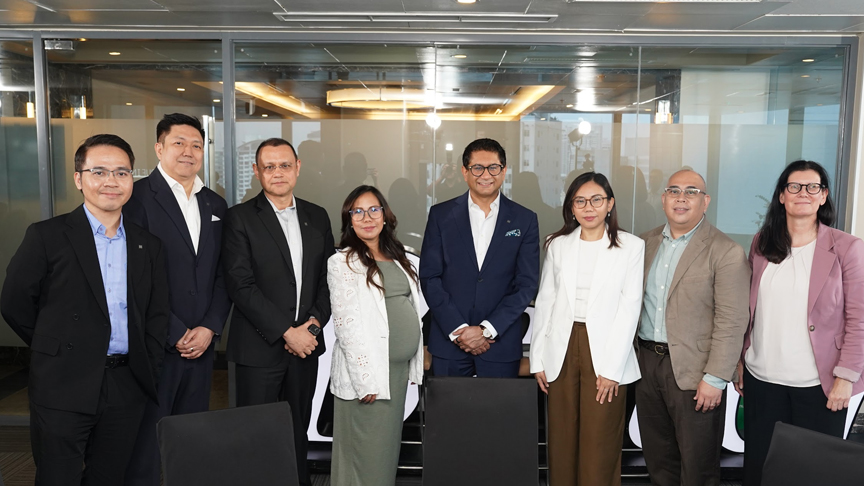
This is according to the Manulife Asia Care Survey 2026: Independence as the New Legacy, which gathered insights from more than 9,000 respondents across Asia, including 1,000 in the Philippines. The study explores shifting attitudes toward longevity, health, caregiving, retirement preparedness, and overall financial well-being.
It was found out in the survey that independence and financial freedom are viewed as the inheritance they want to leave their families, according to 88% of respondents. It rises to 95% among Filipinos aged 25 to 34, highlighting a growing shift toward self-sufficiency and long-term financial planning.
It was also revealed in the survey that Filipinos are increasingly associating independence with maintaining good health to avoid becoming a burden to loved ones, and having access to quality healthcare. Fifty six percent of those who prioritize independence as a legacy cited health and quality of life as their key concerns, while 53% identified unexpected expenses later in life as a major challenge.
To stay independent as you age, you need good physical and mental health, as 92% of respondents agree that preventive care and self-care habits can help extend years of self-reliance. Popular wellness practices include spending time with family and friends (52%), maintaining a balanced diet (50%), and exercising regularly (48%). However, fewer Filipinos are taking proactive steps such as preventive health screenings (26%) or building social networks to combat isolation (29%).
Pressures faced by the country’s “sandwich generation,” or individuals supporting both parents and children, were also highlighted in the survey results. Sixty seven percent of respondents provide care to a family member, averaging 32 hours per week, while 68% offer financial support to relatives, allocating nearly half of their monthly income to these responsibilities.
These caregiving and financial commitments are affecting long-term planning. Among respondents, 74% said family obligations hinder their ability to build self-reliance, while 71% reported delaying their own medical care due to caregiving and financial pressures.
With increasing spending remains a concern, 82% of Filipinos are worried about the cost of future care, significantly higher than the regional average of 66%. It was estimated that respondents would need approximately PhP34,485 per month to cover future care-related expenses. Most plan to rely on personal savings (87%) and investments (59%), while only 21% expect financial support from their children.
The survey relayed that Fiipinos are becoming more proactive in preparing for longevity, with many planning to shift toward income-generating investments, diversify their portfolios, and seek professional financial advice to strengthen retirement readiness and long-term financial security.

Men’s health expert issues warning to fans copying Mark Wahlberg’s early starts

Manulife broadens financial literacy, clean water programs in PH

Redefining aesthetics: From anti-aging to healthy aging

Visiting San Pablo City’s Pho Viet Nam

Four to six servings of wholegrain per day lowers risk factors for heart disease

Structured exercise linked to longer cancer survival and time free of disease

Heading to Pila, Laguna? Check out La Cosina Antonio

Pasalubong shopping in Davao via Aldevinco

The look and feel of your neighborhood may affect your sleep

Workout or nap? Either can help your sleepless brain, study finds
Redefining aesthetics: From anti-aging to healthy aging
Manulife broadens financial literacy, clean water programs in PH
Men’s health expert issues warning to fans copying Mark Wahlberg’s early starts

