
Travel
No evidence people alter daily travel after having symptoms that could be COVID-19
“We could not detect any significant change of movement when people should self-quarantine. On the other hand some people almost did not leave home since the beginning of the pandemic, while others move freely around.”


How can we better understand how people move during the pandemic and how they spread COVID-19? New George Mason University’s College of Health and Human Services research is one of the first individual-level studies to explore this question.
Dr. Janusz Wojtusiak led the study published in the Journal of Healthcare Informatics Research. Wojtusiak and colleagues tracked symptoms and movements of 175 volunteer individuals on George Mason University’s campus. They found that there is no evidence that participants altered their movements based on the symptoms they reported.
“We could not detect any significant change of movement when people should self-quarantine. On the other hand some people almost did not leave home since the beginning of the pandemic, while others move freely around,” said Wojtusiak.
Participants used the Mason COVID HealthCheckTM to record symptoms of possible COVID-19 infection and GPS and WiFi data to provide information on how they move during the pandemic. This allows the researchers to model and predict movements during the pandemic and in conjunction with any reported possible COVID-19 symptoms.
“By tracking individual movements and symptoms in our study, our findings could help inform effective public health interventions to reduce COVID-19 infections,” explains Wojtusiak.
In addition, Wojtusiak and colleagues analyzed de-identified Mason COVID HealthCheckTM responses and found that a headache was the most frequently reported symptom, and a headache was always listed as a symptom when any other symptoms were reported. Other commonly reported symptoms were coughs and sore throats.
Movement patterns varied among participants, with some only going out for essential trips while others moved about more. As a group, movement was consistent over the study period, which included a period when Virginia was under a stay-at-home order and when it was not. Participants traveled a total average of 139 miles per week, visiting an average of less than six locations per week. This low average mileage and number of sites visited does suggest that COVID-19-related restrictions affected their movement. However, they also found that even when participants reported symptoms of COVID-19 or contact with others with COVID-19, they did not change their movements as recommended by public health guidance.
George Mason University has a very low COVID-19 infection rate, and during the period none of the study participants reported COVID-19 infection, so researchers weren’t able to link COVID-19 positive tests and movement. Future analysis will include data from the winter of 2020 so may provide more information on movement after COVID-19 infection. The researchers are also conducting surveys and interviews to provide richer data including reasons for complying or not complying with social distancing.





Destinations
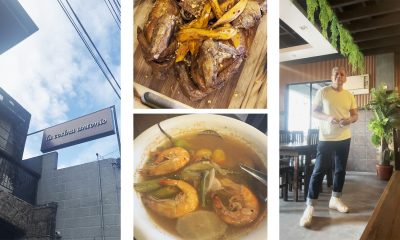
Heading to Pila, Laguna? Check out La Cosina Antonio
We found our #LGBT selves in #Pila, #Laguna, where we ended up checking La Cosina Antonio.

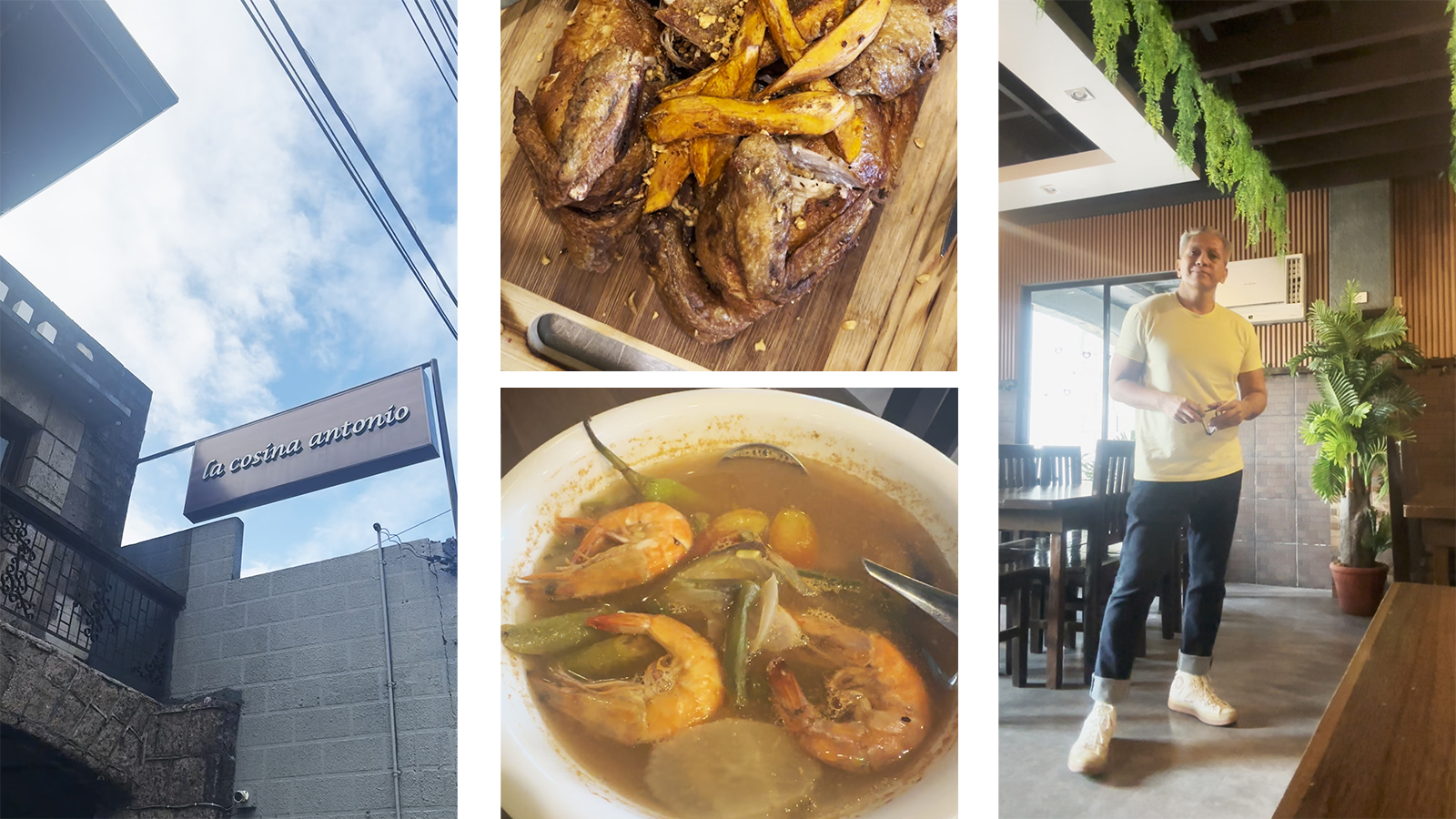
While traveling from Batangas City on the way to Paete, Laguna after an Intersex 101 training workshop, intersex activist Jeff Cagandahan worried where he’d feed us. And then, after a quick discussion with his wife, he suggested La Cosina Antonio, which is apparently a must-check resto in the Municipality of Pila in the province of Laguna.
So we went there, and… how was it for us?
@outragemag #LGBT wandering in #Pila, #Laguna? You may as well try #LaCosinaAntonio ♬ original sound – Outrage Magazine
Una, this is really only convenient to access by locals, or those with private vehicles. Pila, if you must know, is one of the oldest settlements in the Philippines. It is, nonetheless, still largely provincial. And so this place is dadayuhin; you need to intentionally go there as it’s not on the way to major destinations.
Ikalawa, the actual venue is BIG. This one’s an old house converted into a resto with different parts – e.g. for dining, for drinking complete with a performance space for a band, venue spaces, and so on. La Cosina Antonio is, thankfully, well-kept, so that it’s clean, has updated furniture, and so on.
Ikatlo, the staff was okay naman when we were there, able to discuss what’s on the menu, make recommendations… and then prepare the orders and deliver them fast. Very home-y approach, actually, treating guests as regulars.
Ika-apat, how was the food?
The ₱375 Dinakdakan was actually good, the pork belly crispy, the chopped onions and green chilies fresh, and the calamansi-mayo dressing not overpowering.
The ₱390 Sinigang na Hipon was… so-so, not bad though not good either. Pampainit-tiyan. Though, this has to be said, at least di tinipid in the number of shrimps served.
The ₱560 Garlic Pepper Whole Chicken was good; the meat stayed juicy even if the skin was crunchy.
The ₱770 Crispy Pata was also good; crunchy skin and, yes, malamang pata. There are times when you get Crispy Pata that’s basically just skin and bone, no meat at all. Here, we got meat… thankfully.
This place is popular, true (check their Facebook page, LOL). I can be dismissive and say that because, if in Pila, it’s not like you have lots of choices. But truth be told, it’s also because La Cosina Antonio actually has not-bad stuffs to offer… including the okay venue, okay service, and okay food. So check out if you can… or just join us as we look for more LGBTQIA+ lafangan venues…
La Cosina Antonio is located along JP Rizal St., Barangay Sta. Clara Norte, Pila, Laguna.
Destinations
Pasalubong shopping in Davao via Aldevinco
#Pasalubong hunting in #Davao? Consider the new, pinasosyal #Aldevinco that may not have the grimy character of the old location but still is worth #LGBT visiting.
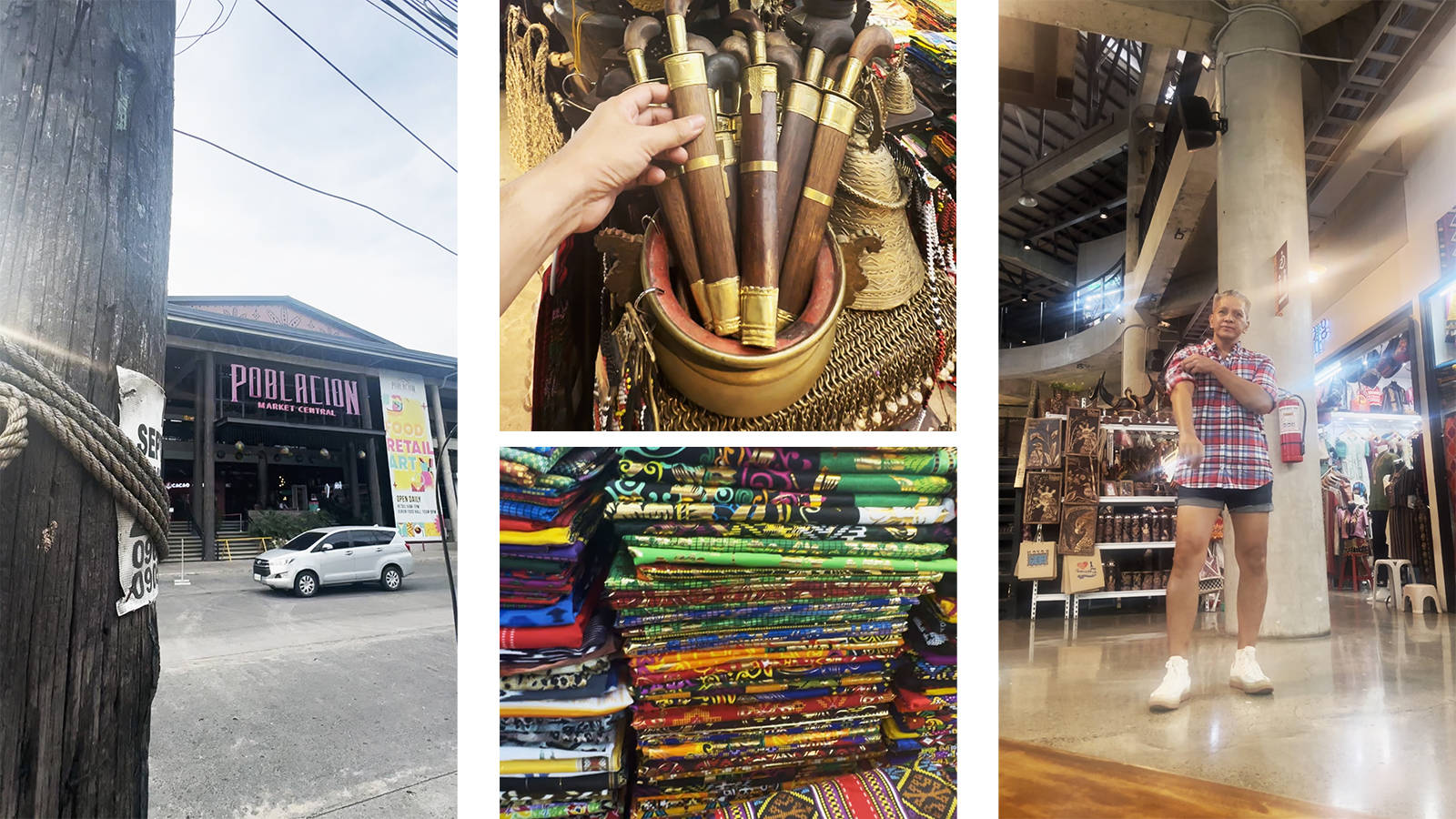
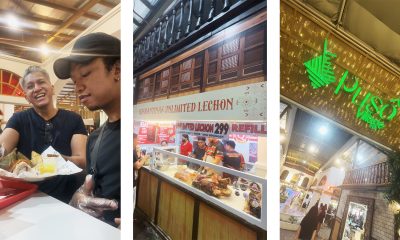
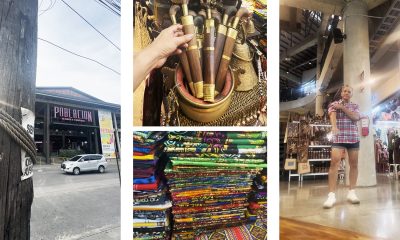
Davao-bound tourists know – or should know – of Aldevinco Shopping Center, the city’s one-stop-hub for everything Mindanao-related. You need malong or patadyong as pasalubong? You need a kulintang not just as a musical instrument, but as décor? You need batik, or T’boli ethnic apparel? You can find them all… and even more, in Aldevinco.
But here’s the thing, particularly for those who do not know yet: the old Aldevinco, which was located along C.M. Recto Street and Roxas Avenue in Davao City, is no more.
Now… enter the new Aldevinco, this time located at Poblacion Market Central on C. Bangoy Street (former Madrazo Fruit Stand)… which isn’t that far from the old place, actually.
We checked, and here are some things worth noting.
@outragemag #Pasalubong hunting in #Davao? Consider the new, pinasosyal #Aldevinco that may not have the grimy character of the old location but still is worth #LGBT ♬ original sound – Outrage Magazine
Una, this place looks and feels new. The old Aldevinco had a palengke feel, but this one has a mall feel. So you have a high-ceilinged venue with better-arranged stores that are air-conditioned, and so on. Pina-sosyal, in a manner of speaking.
Ikalawa, when there, the rules remain the same: haggle. The prices first quoted to you are not the actual prices the goods go for… unless you’re too moneyed and you don’t want to ask for discounts, though in that case, you shouldn’t even be in Aldevinco at all. The more you buy (i.e. bulk buying), the lower the prices, obviously. But always haggle… even if only for the fun of doing it.
Ikatlo, if you have time to spare, don’t auto-buy from the first store you check. Tour the area and compare prices. Often, the goods sold in one store will also be offered in a different store. So move around before making a final decision.
And ika-apat, Aldevinco may be popular as the go-to place for pasalubong, but in truth this isn’t the only one. Halimbawa, right across the old Aldevinco is a series of shops, some of them from the old Aldevinco. Because, at times, Aldevinco can feel like a tourist trap, and understandably, not everyone likes going into one. So consider your other options.
All the same, when in Davao, this is a place worth checking… if not for the shopping, then the food… or at least to check what happened to the tenants of the 60-year-old Aldevinco that was closed in December 2021, and is now being redeveloped into who-knows-what.
All part of rediscovery as we continue the LGBTQIA+ rampa wherever and everywhere…
Open from 9AM to 7PM (with the Kūkūñ Food Hall open from 10AM to 9 PM), Aldevinco Shopping Center is located at Poblacion Market Central, C. Bangoy Street, Davao City.
Destinations
Enjoying the grilling at Mandaue City’s Matias BBQ
#Mandaue City’s #MatiasBBQ is worth checking as your #LGBT alternative to dining in the open in #Cebu.
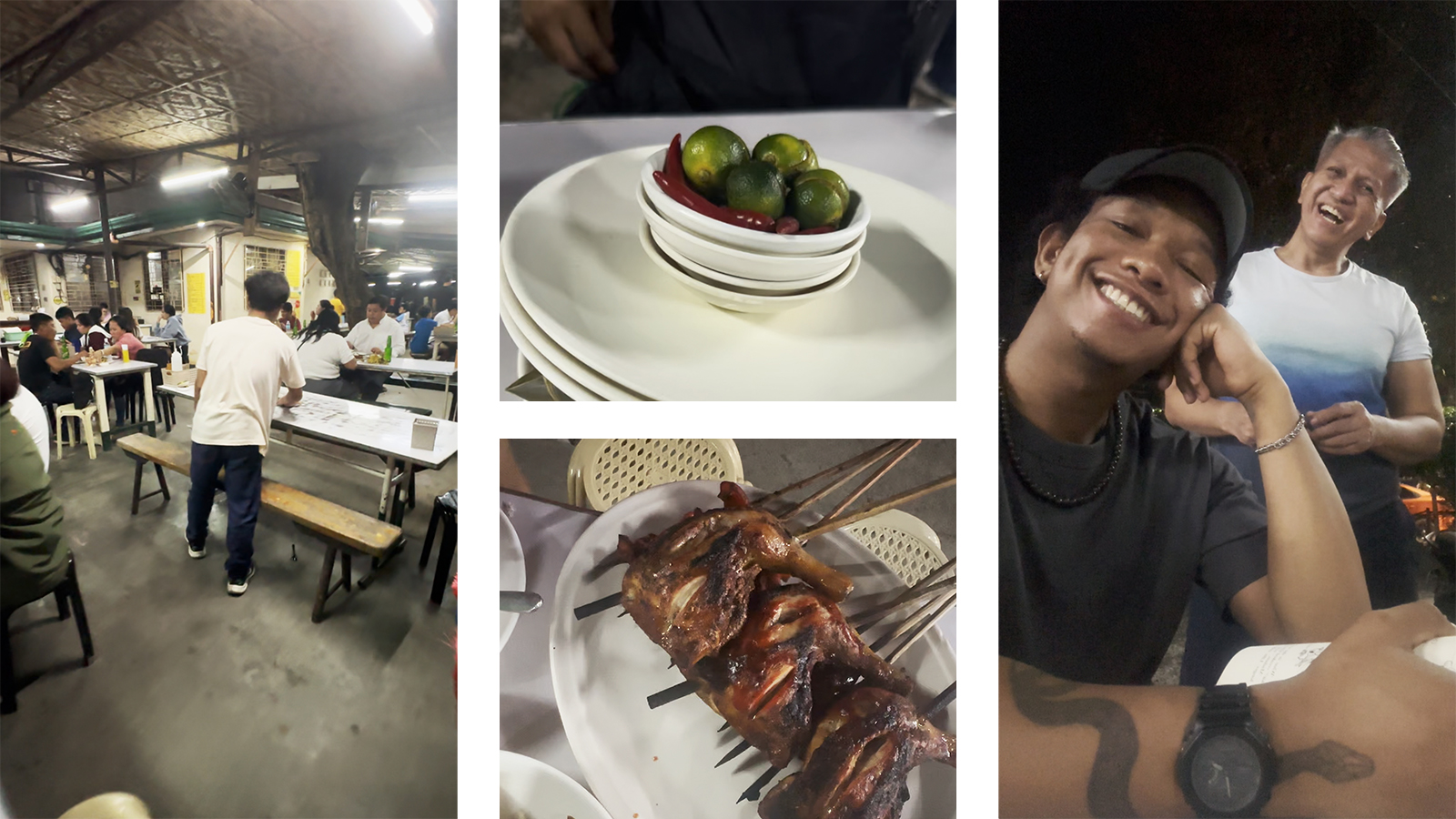
Seriously considering Larsian to try grilled goods in Cebu City, a friend recommended for us to try, instead, Matias BBQ. “It’s cleaner,” she said, adding: “And yummier, of course.”
So we checked… and how was the visit to Matias BBQ for us?
@outragemag #Mandaue City’s #MatiasBBQ is worth checking as your #LGBT alternative to dining in the open in #Cebu ♬ original sound – Outrage Magazine
Una, the place is NOT in Cebu City. It’s in nearby Mandaue City. We didn’t check where the BBQ place is, exactly; we just took a Grab and pinned the address. We just noted that the travel took a while, and yes, the fare wasn’t cheap (LOL).
Ikalawa, this is an open-air venue, similar to Larsian, though the difference is, here, there’s just one vendor (Matias BBQ). Maarte people beware: this isn’t for you.
Ikatlo, the servers were friendly… a pleasant surprise considering the number of people they had to serve. They knew what to recommend, and quickly dealt with some concerns (e.g. replace what was deemed stale rice).
Ika-apat, how was the food naman?
- The chicken – including the ₱85 pecho and ₱95 paa – were well-seasoned and well-cooked, remaining moist and not dry. Lasa-wise, they were smoky and sweetish.
- The ₱16 chorizos were actually good, properly cooked so that we were still able to taste the meat and accompanying sahog of garlic and the likes. This made us realize that when deciding to cook longganisa from Cebu, consider grilling instead of frying in oil. It just tastes better that way.
- The ₱165 balbacua (beef rind and oxtail soup) served to us was already cold, so was already greasy. The collagen-rich cuts were soft, and there were okay-tasting veggies, but the broth was already slimy from being oily.
- The ₱12 pusô was inconsistent; some were already stale (perhaps old stocks), and the others fresh. It’s hard to ascertain which is which since you’d be served with a lot. Order freshly-cooked rice if apprehensive… though this takes away from the overall experience of eating in a place like this.
Here’s the thing: our total bill was cheaper than the fare we paid to Grab to go there.
And so, for us, if this is accessible to you, consider this an alternative to, say, the likes of Larsian. That the food is good has to be emphasized, done in an outdoor setting that’d remind you of eating in the probinsiya.
But off we go again, in search of more LGBTQIA+ lagangan venues…
Open from 11.30AM to 8.00PM, Matias BBQ is located along A.S. Fortuna St., Banilad, Mandaue City.

Heading to Pila, Laguna? Check out La Cosina Antonio

Pasalubong shopping in Davao via Aldevinco

The look and feel of your neighborhood may affect your sleep

Workout or nap? Either can help your sleepless brain, study finds

Study links coffee consumption to metabolic health and sex hormones

Manulife Investments Philippines leads UITF rankings across equity and fixed income funds

Scheduling dental care during prenatal visits boosts oral health care during pregnancy

Enjoying the grilling at Mandaue City’s Matias BBQ

Dogs can distinguish between human fear and sadness

Pet dog microbiota may protect young children from respiratory tract infections and reduce the need for antibiotic courses
Scheduling dental care during prenatal visits boosts oral health care during pregnancy
Enjoying the grilling at Mandaue City’s Matias BBQ
Study links coffee consumption to metabolic health and sex hormones
Dogs can distinguish between human fear and sadness
Manulife Investments Philippines leads UITF rankings across equity and fixed income funds
The look and feel of your neighborhood may affect your sleep
Pasalubong shopping in Davao via Aldevinco
Workout or nap? Either can help your sleepless brain, study finds
Heading to Pila, Laguna? Check out La Cosina Antonio

-
 NewsMakers3 weeks ago
Scheduling dental care during prenatal visits boosts oral health care during pregnancy
-
 Destinations3 weeks ago
Enjoying the grilling at Mandaue City’s Matias BBQ
-
 NewsMakers3 weeks ago
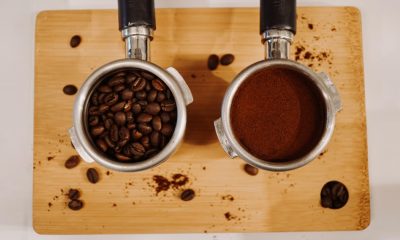
Study links coffee consumption to metabolic health and sex hormones
-
 Pet Care3 weeks ago
Dogs can distinguish between human fear and sadness
-
 Product Showcase3 weeks ago
Manulife Investments Philippines leads UITF rankings across equity and fixed income funds
-
 NewsMakers1 week ago
The look and feel of your neighborhood may affect your sleep
-
 Destinations4 days ago
Pasalubong shopping in Davao via Aldevinco
-
 NewsMakers1 week ago
Workout or nap? Either can help your sleepless brain, study finds