
Product Showcase
Vermiculture/Vermicomposting: Growing Earth’s Angels
Solving the global garbage problem with the seemingly lowly earthworms.


When Antonio de Castro, who grew up in the US, returned to live in the Philippines, one of the things he noticed was the relatively high volume of trash – most of them biodegradable, including drying leaves and kitchen wastes – that littered the streets of their compound in San Francisco del Monte in Quezon City. This is not to mention National Solid Waste Management Commission estimates that in Metro Manila alone, 6,169 tons of garbage are generated daily, with food and kitchen waste (all biodegradable) accounting for about 45% of the total volume, a figure expected to double by end-2010. This prompted De Castro to consider an alternative, and better, waste disposal system that is chemical-free, with the establishment of Earthworm Sanctuary, which is into vermiculture and vermicomposting.
Focusing on vermicomposting, “the ‘vermi’ or earthworms are important in enriching the soil with organic matter, which comes from biodegradable materials, such as dead plants and animals which the earthworms ingest,” De Castro says in an earlier interview by the Philippine Daily Inquirer, adding how, with vermicomposting, the lowly worms live up to their name, which, in Chinese character, means “angels of the earth.”
Vermiculture is the production of earthworms as fresh or processed feeds, with earthworms used as live feed or vermimeal for fish, prawn, fowl, and birds; while vermicomposting refers to the use of earthworms in turning organic wastes into vermicompost (also known as vermicast, worm compost, worm castings, worm humus, or worm manure), natural fertilizer and soil conditioner.
And so a new way to ecopreneurship is put in focus.
EASY DOES IT
Vermiculture and vermicomposting may have been around for a while, but, even with the growing awareness on environmental practices, it is arguably only with the increasing business viability that the practices are getting another look. After all, even as early as 1993, the demand for organic fertilizers, such as those produced through vermicomposting, was 6.25 billion bags (50 kilograms per bag), with an actual consumption of 62,000 metric tons. This is in response to the growing world consumption of organically grown foods, estimated at $100 billion per year.
And with the Philippines having approximately 2.5 million hectares of land for possible use to cultivate organic fertilizer (even as early as 1993, too), it shows promise in responding to the demand.
For De Castro, vermicomposting is a “simple technology that does not require a big capital and intensive labor.” In fact, ecopreneurs can start the practice with less than P1,000, considering that a kilo of earthworms only costs from P500 to P1,000. Add to the worms the basic materials for the making of earthworm beds, including hollow blocks, plastic sheets, used fishing nets, and a shredder (though this is optional, since earthworms themselves shred the substrates, which, at homes, include discarded vegetable, animal manure, rice hull (ipa), sawdust (kusot), hay (dayami), and leaves.
With worms, though, that there’s money to be made in trash is given new meaning.
GOOD WORMS
With the good things that come with vermiculture and vermicomposting, De Castro remains optimistic about their future.
At the Earthworm Sanctuary, where they use the African nightcrawler species – first introduced in the Philippines by Dr. Rafael D. Guerrero III, executive director of the Philippine Council for Aquatic and Marine Research Development, in the 1980s), a voracious processor of organic wastes, which has a high reproductive rate (an adult breeding earthworm produces 3.6 cocoons per week) while thriving in a wide range of environments – about 500 kilos or half a ton of vermicompost are produced every month.
“We have now reached the stage where, because of the voracity of the earthworms, we have to ask around for leaves and grass to feed our earthworms,” De Castro was quoted as saying by the PDI.
And this is the one kind of voracity that is beneficial to the whole world.
For more information, contact Earthworm Sanctuary at earthwormsanctuary@yahoo.com, SMS/call (+63) 9189385726, or visit Earthworms Philippines.


Product Showcase
Manulife Investments Philippines leads UITF rankings across equity and fixed income funds
Manulife Investments Philippines delivered its strongest showing in the equity feeder fund category, where three of its funds secured the top three spots based on year-to-date returns:


Manulife Investment Management and Trust Corporation (Manulife Investments Philippines), the local asset management arm of leading international financial services provider Manulife, topped the latest Philippine unit investment trust fund (UITF) rankings across growth-oriented equity and equity feeder funds and steadier fixed income funds for the period January 1 to June 30, 2026.
Manulife Investments Philippines delivered its strongest showing in the equity feeder fund category, where three of its funds secured the top three spots based on year-to-date returns:
- Introduced in November 2025, Manulife Global Semiconductor Opportunities Equity Feeder Fund delivered a 105.71% return, investing in leading semiconductor companies that power artificial intelligence, data centers, and everyday devices.
- Manulife Global Clean Energy Equity Feeder Fund posted a 40.67% return, investing across renewable power, electric vehicles, and the technology and infrastructure supporting the clean energy transition. This fund ranked no. 5 in the second half of 2025 with 20.53% year-to-date returns.
- Manulife Global Technology Equity Feeder Fund recorded a 37.06% return, investing in diverse technology subsectors positioned to benefit from the continued growth and everyday use of technology. This fund ranked no. 12 in the second half of 2025 with 15.49% year-to-date returns.
The results underscore the strength of Manulife’s globally diversified, theme-based investment approach, with funds focused on long-term structural trends such as artificial intelligence, clean energy, and technology adoption.
Manulife Investments Philippines also led the equity fund category. Manulife Asia Best Select Equity Fund secured the top spot, with its PHP Unhedged Class A ranking second with a 37.31% return.
Manulife’s strong performance extended to fixed income. In the fixed income feeder fund category, which is designed for investors seeking steadier returns and lower risk, the Manulife Asia Short Duration Bond Feeder Fund took the top spot, with two more Manulife funds also ranking among the category leaders.
These categories serve different investor needs. Equity funds, such as Manulife’s Global Semiconductor, Global Clean Energy, Global Technology and Asia Best Select, provide access to fast-moving global sectors with higher growth potential. Fixed income funds are designed for investors who prefer greater stability and a smoother investment journey. Together, these funds give Filipinos more choices aligned with their goals, risk appetite, and investment horizon.
“Investing is not one-size fits all. Some investors seek long-term growth, while others prioritize income or stability.That is why we offer a diverse range of UITFs designed to help investors pursue their financial goals based on their unique objectives and risk preferences. As Filipinos live longer, disciplined investing becomes even more important. According to the United Nations World Population Prospects, life expectancy at birth in the Philippines is projected to rise to around 73 years by 2050, making long-term financial planning and investing essential for building lasting financial security,” said Aira Gaspar, President and Chief Executive Officer, Manulife Investments Philippines.
Gaspar added, “Through our UITFs, investors gain convenient access to powerful long-term themes shaping the future, includingartificial intelligence, technology, and clean energy. These strong results reflect the strength of our research-driven investment approach, global investment capabilities, and local market expertise, helping investors navigate changing markets with confidence and achieve better financial outcomes.”
These funds are part of Manulife’s growing suite of UITFs, designed to match different goals and levels of risk tolerance. Investors can open an account online through Manulife iFUNDS, a secure digital platform for managing UITF investments.
For more information, contact a Manulife Wealth Specialist or visit manulife.com/ph.
NewsMakers
Filipinos prioritize independence as legacy for longer lives
Independence and financial freedom are viewed as the inheritance they want to leave their families, according to 88% of respondents. It rises to 95% among Filipinos aged 25 to 34, highlighting a growing shift toward self-sufficiency and long-term financial planning.


Filipinos are shifting how they view legacy, prioritizing independence, financial freedom, and self-reliance as they plan for longer lifespans.
This is according to the Manulife Asia Care Survey 2026: Independence as the New Legacy, which gathered insights from more than 9,000 respondents across Asia, including 1,000 in the Philippines. The study explores shifting attitudes toward longevity, health, caregiving, retirement preparedness, and overall financial well-being.
It was found out in the survey that independence and financial freedom are viewed as the inheritance they want to leave their families, according to 88% of respondents. It rises to 95% among Filipinos aged 25 to 34, highlighting a growing shift toward self-sufficiency and long-term financial planning.
It was also revealed in the survey that Filipinos are increasingly associating independence with maintaining good health to avoid becoming a burden to loved ones, and having access to quality healthcare. Fifty six percent of those who prioritize independence as a legacy cited health and quality of life as their key concerns, while 53% identified unexpected expenses later in life as a major challenge.
To stay independent as you age, you need good physical and mental health, as 92% of respondents agree that preventive care and self-care habits can help extend years of self-reliance. Popular wellness practices include spending time with family and friends (52%), maintaining a balanced diet (50%), and exercising regularly (48%). However, fewer Filipinos are taking proactive steps such as preventive health screenings (26%) or building social networks to combat isolation (29%).
Pressures faced by the country’s “sandwich generation,” or individuals supporting both parents and children, were also highlighted in the survey results. Sixty seven percent of respondents provide care to a family member, averaging 32 hours per week, while 68% offer financial support to relatives, allocating nearly half of their monthly income to these responsibilities.
These caregiving and financial commitments are affecting long-term planning. Among respondents, 74% said family obligations hinder their ability to build self-reliance, while 71% reported delaying their own medical care due to caregiving and financial pressures.
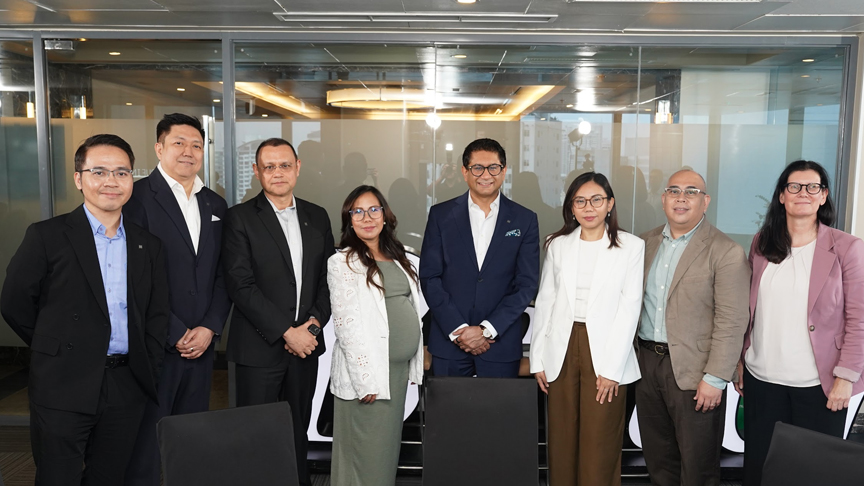
With increasing spending remains a concern, 82% of Filipinos are worried about the cost of future care, significantly higher than the regional average of 66%. It was estimated that respondents would need approximately PhP34,485 per month to cover future care-related expenses. Most plan to rely on personal savings (87%) and investments (59%), while only 21% expect financial support from their children.
The survey relayed that Fiipinos are becoming more proactive in preparing for longevity, with many planning to shift toward income-generating investments, diversify their portfolios, and seek professional financial advice to strengthen retirement readiness and long-term financial security.
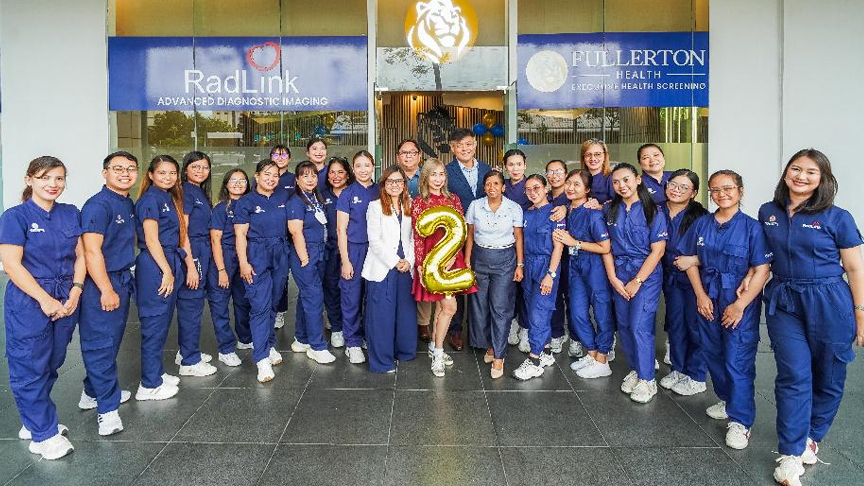
As more Filipino professionals navigate increasingly demanding careers and lifestyles, preventive healthcare is becoming less of an afterthought and more of a necessity.
From routine executive health screenings to proactive wellness programs, a growing number of business leaders, entrepreneurs, and working professionals are prioritizing early detection and long-term health management as part of their everyday lives. The shift reflects a broader understanding that staying productive, achieving personal goals, and maintaining overall well-being require more than treating illnesses when they arise—they require preventing them in the first place.
This evolving mindset is something Fullerton Health Philippines has witnessed firsthand.
Now celebrating their second anniversary, the organization continues to champion preventive healthcare as an essential part of modern living, helping more Filipinos take proactive steps toward better health through executive health screening, advanced diagnostics, and personalized wellness solutions.
“Our mission has always been to empower individuals to take control of their health before illnesses develop or progress. As we celebrate this milestone, we remain focused on helping more people live fuller, healthier lives through preventive care,” said Carmie de Leon, Country General Manager of Fullerton Health Philippines.
The growing emphasis on prevention has fueled Fullerton Health Philippines’ growth over the past two years. Since opening its doors, the organization has established itself as a trusted partner in executive health by combining advanced diagnostic capabilities, efficient patient experiences, and comprehensive health screening programs designed to offer efficient, fast, and seamless preventive healthcare experience.
A significant highlight in Fullerton Health Philippines’ journey this year was the recognition received at the Healthcare Asia Awards 2026, where they were honored as Specialty Clinic of the Year (Executive Health) – Philippines. The award recognizes the organization’s excellence in executive health screening, mainly in offering advanced diagnostic imaging technologies, evidence-based healthcare practices, and patient-centered care designed to support early detection and better health outcomes.
Fullerton Health Philippines has also expanded access through strategic partnerships with major HMO providers, healthcare organizations, and digital health platforms, making executive health screening more convenient for more Filipinos.
The company has also broadened its preventive health offerings through initiatives such as packages bundled with wellness perks that is also attractive for medical tourism, reflecting its belief that long-term well-being is supported by both preventive healthcare and holistic wellness experiences, as well as offering discounts in partnership with major payment networks to provide a more affordable option for Filipinos.
With this, Fullerton Health Philippines continues to receive consistent five-star reviews from clients. The strong satisfaction ratings reinforce the company’s position as a trusted partner in
preventive healthcare.
For Founder and Chairman of COL Financial Group, Inc., Edward K. Lee, preventive healthcare is an essential investment in maintaining both personal well-being and the ability to lead with confidence.
“Running a business means making decisions that prepare you for the future, and I believe the same mindset should apply to your health. Undergoing regular executive health screenings means I’m taking proactive steps to stay healthy for myself, my family, and the people who depend on me,” said Lee.
Similarly, President of Upgrade Energy Philippines Inc., Ruth Yu-Owen, who balances leadership responsibilities in the renewable energy sector while championing initiatives that create opportunities for Filipino women, sees preventive healthcare as an important part of sustaining both her personal well-being and professional pursuits.
“Being able to undergo a thorough health check-up provides me with the opportunity to improve my diet and make necessary lifestyle changes. Most importantly, it gives me peace of mind,” she shared.
These personal experiences reflect a broader shift toward proactive healthcare, where prevention becomes a cornerstone of long-term wellness rather than a response to illness.
Guided by its advocacy to help individuals to Live Fuller, Fullerton Health Philippines continues to champion a future where preventive healthcare is not just an option, but an integral part of everyday life.

Manulife Investments Philippines leads UITF rankings across equity and fixed income funds

Scheduling dental care during prenatal visits boosts oral health care during pregnancy

Enjoying the grilling at Mandaue City’s Matias BBQ

Dogs can distinguish between human fear and sadness

Pet dog microbiota may protect young children from respiratory tract infections and reduce the need for antibiotic courses

Walking and weight training alone are not enough for strong bones – football and handball may be more effective

Keeping kitty indoors is not the cat-astrophe that owners fear

Why a UTI hurts — and why that might be a good thing

Pregnancy complications can signal heart disease risk years before traditional screening, study finds

Posture can influence your mood and behavior, study suggests

Filipinos prioritize independence as legacy for longer lives

Loneliness strongly linked to poorer mental health and wellbeing, study finds

Weight loss drugs could help with binge eating disorder

Coffee and heart health: How many cups of caffeinated coffee are safe to drink each day?

Going Chinese in Pulilan, Bulacan

How to prepare and protect homes from costly storm-related electrical damage

Eating out in Cebu in one place via Pusô Village
Pregnancy complications can signal heart disease risk years before traditional screening, study finds
Posture can influence your mood and behavior, study suggests
Why a UTI hurts — and why that might be a good thing

-
 NewsMakers2 weeks ago
Filipinos prioritize independence as legacy for longer lives
-
 NewsMakers4 weeks ago
Loneliness strongly linked to poorer mental health and wellbeing, study finds
-
 NewsMakers4 weeks ago
Weight loss drugs could help with binge eating disorder
-
 NewsMakers3 weeks ago
Coffee and heart health: How many cups of caffeinated coffee are safe to drink each day?
-
 Destinations3 weeks ago
Going Chinese in Pulilan, Bulacan
-
 Home Care4 weeks ago
How to prepare and protect homes from costly storm-related electrical damage
-
 Destinations2 weeks ago
Eating out in Cebu in one place via Pusô Village
-
 NewsMakers2 weeks ago
Pregnancy complications can signal heart disease risk years before traditional screening, study finds