
Pet Care
Walk your dog in style
Here is a comprehensive checklist to ensure one’s dog starts the year on the right foot.


As the curtain rises on the new year, YuMOVE provides a comprehensive checklist to ensure one’s dog starts the year on the right foot:
- Observe for visible signs of stiffness, especially in the morning or after rest.
- Watch for changes in walking pace, limping, or discomfort during walks.
- Pay attention to struggles in sitting, standing, or hesitation to get in or out of bed.
- Monitor stair climbing difficulties or slipping incidents.
- Note any shifts in weight between front and back legs.
- Keep an eye out for behavioral changes such as grumpiness, lethargy, or reluctance to engage in normal activities.
If a dog exhibits any of these signs, consulting with a vet is recommended, as mobility concerns can affect dogs of all ages.
Embark on Healthier Walks in 2024
January signals the National Walk Your Dog Month – the perfect time to dedicate to regular walks with furry companions. YuMOVE provides five tips to optimize the dog-walking experience:
- Craft a Tailored Walking Plan: Take into account the dog’s age, mobility, and environmental conditions. If uncertain, seek advice from a vet.
- Monitor the dog’s mobility regularly: Stay alert for signs of stiffness, reluctance, or discomfort during walks.
- Examine the harness and leash: Confirm a comfortable fit, ensuring safety without causing discomfort.
- Winter walking precautions: Exercise caution in winter weather, utilize protective gear as needed, and avoid harmful substances on sidewalks.







Pet Care
Pet dog microbiota may protect young children from respiratory tract infections and reduce the need for antibiotic courses
Children who have been in contact with dogs in early childhood are on average healthier and require fewer antibiotic courses than children without such contact.
Children who have been in contact with dogs in early childhood are on average healthier and require fewer antibiotic courses than children without such contact. The protective association is explained, at least in part, by the spread of dog-associated microbes in the home.
In the recent study, the presence of specific dog-associated microbes in the home were linked to fewer respiratory tract infections, fewer antibiotic courses and more healthy weeks during the child’s first year of life. The richness and diversity are higher in homes with a dog than in homes without a dog, but these general characteristics of the microbiota were not associated with the incidence of respiratory tract infections or morbidity in the child.
The study shows that certain dog-associated microbes or their combinations can explain up to one quarter of the protective effect of dog ownership on children’s respiratory tract infections, antibiotic use and the number of healthy weeks during the first year of life.
The protective effect of a dog ownership remained also after accounting for other factors known to influence childhood infection risk, including family size, living environment and exposure to tobacco smoke. In addition to the dog’s microbiota, a more outdoor-oriented lifestyle in dog-owning families, shared responsibilities related to caring for the dog and partly similar dietary habits shared among dog owners may influence the microbiota in the home and among its inhabitants, and thereby the development of the child’s resistance to pathogens. These factors were not examined in this study.
“The results strengthen our understanding that the microbial environment during early childhood plays an important role in the development of child’s immune system. It has been suggested that in the future it may be possible to modify the home microbiota in ways that promote health. Our study shows that dog ownership already does this today,” says paediatrician Jenni Mäki.
“Respiratory tract infections in early childhood are a significant risk factor for asthma. When some of children’s respiratory tract infections can be prevented with dog-associated microbes, this may also reduce the child’s risk of developing asthma later in life,” says chief researcher Anne Karvonen.
The LUKAS study included nearly 400 families from Finland. About one third of the families lived on farms, half in rural areas and the rest in towns.
The study was carried out by the Finnish Institute for Health and Welfare, Kuopio University Hospital and the University of Eastern Finland.
Pet Care
Keeping kitty indoors is not the cat-astrophe that owners fear
Owners often need reassurance that the behaviours they see during the transition are temporary and that there are practical strategies – such as providing climbing spaces, scratching posts, toys and opportunities for play – that can help cats adapt successfully.

Moving a pet cat from an outdoor lifestyle to living indoors is easier than many owners expect, according to new research that could help improve feline welfare, protect wildlife, and ease concerns about keeping cats contained.
Australian and New Zealand researchers surveyed 87 cat owners, revealing that most who transitioned their pets to indoor living reported the change was ultimately worthwhile, with the benefits to both cats and owners outweighing the challenges.
The study, published in Applied Animal Behaviour Science, found that while owners initially worried about their cat’s happiness and behaviour, more than two-thirds said the process was easier than expected.
Lead author Dr Julia Henning, from Adelaide University’s School of Animal and Veterinary Sciences, said the findings challenge the perception that cats cannot adapt to an indoor lifestyle.
“Many people worry that keeping a cat indoors will be stressful for their cat, but our findings suggest that the transition was often easier than expected,” Dr Henning said.
“Owners certainly faced some challenges during the transition, particularly in the first few weeks, but most found these were temporary and that the long-term benefits far outweighed the difficulties.”
The research found cat safety was the strongest motivation for moving cats indoors, with owners concerned about road traffic, attacks by other animals, disease, parasites, poisoning and cats’ threats to local wildlife, particularly birds. After the transition, these same issues were overwhelmingly cited as the greatest benefits, alongside improved peace of mind.
Owners also reported being better able to monitor their cat’s health, spending more quality time with their pet and, in many cases, experiencing closer bonds with their cats.
The study found approximately half of the cats adjusted to indoor living within a matter of weeks, while younger cats generally adapted more quickly than older animals.
However, the research also identified several common challenges. Cats were more vocal, scratched at doors and windows, or appeared frustrated during the adjustment period. Owners also reported concerns about providing enough environmental enrichment, maintaining litter trays and preventing weight gain.
Moving cats indoors increased some costs (including food, litter and household modifications), however veterinary costs reduced over time because their cats faced fewer injuries and health risks associated with roaming.
Many owners described feelings of guilt about restricting their cat’s freedom, despite believing they were making the safest decision for their pet. Others worried their cat might become bored or unhappy indoors.
Senior author Dr Susan Hazel, from Adelaide University, said these findings highlight the importance of supporting both pets and their owners.
“Keeping cats indoors offers significant benefits for their safety and welfare, but successful transitions depend on supporting owners as much as their cats,” Dr Hazel said.
“Our research shows that owners often need reassurance that the behaviours they see during the transition are temporary and that there are practical strategies – such as providing climbing spaces, scratching posts, toys and opportunities for play – that can help cats adapt successfully.”
The study also found that transitioning cats indoors was often prompted by unexpected events, including injuries, illness, moving house or sudden safety concerns. More than one-third of owners reported having little or no time to prepare, while almost half made no preparations before the transition.
Despite this, most owners still described the experience as easier than anticipated.
Researchers say the findings highlight the need for readily accessible information and practical resources to help owners make the transition successfully, particularly when circumstances change unexpectedly.
‘Owner-reported experiences of transitioning cats from outdoor to indoor living’ is published in Applied Animal Behaviour Science. The authors are from Adelaide University, Companion Animals New Zealand, EthicoNZ Ltd and Navigate Welfare.
Pet Care
Tips for smooth travel with pets
The American Veterinary Medical Association (AVMA) recommends planning ahead for calm, comfortable trips for you and your pets.
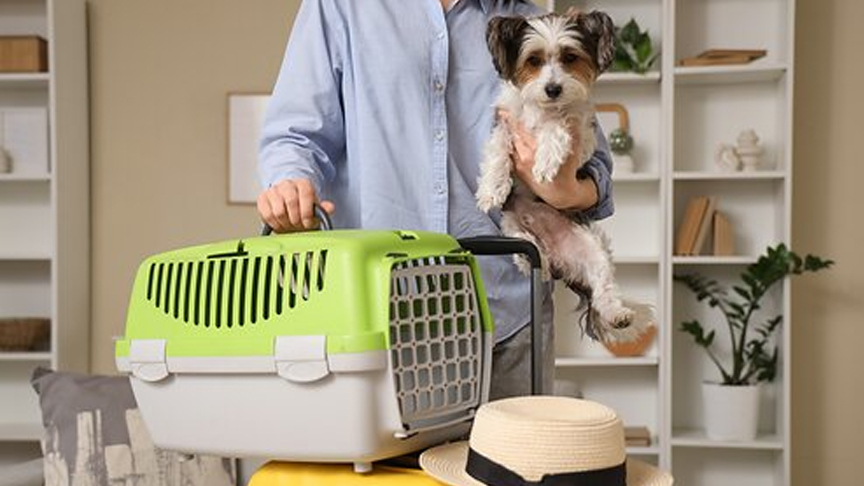
The American Veterinary Medical Association (AVMA) recommends planning ahead for calm, comfortable trips for you and your pets.
According to AVMA President, Dr. Michael Q. Bailey, visit your veterinarian to make sure your pet is current on all vaccinations and you have all the paperwork and medications necessary for your journey.
“Summer travel is exciting, but it comes with real responsibilities for pet owners that are easy to overlook,” said Dr. Bailey. “Before you head out, talk to your veterinarian. Whether your pet is coming along or staying behind, a little preparation can make all the difference.”
Bailey’s advice begins with considering whether travel is right for your pet, as some dogs, cats, and other animals may be uncomfortable with travel due to illness, injury or temperament. Consider a pet sitter or boarding your pet if there’s a chance they may not be comfortable traveling. If you’ve decided to bring your pet along, here are the AVMA’s top pet travel tips:
The Basics
- Ensure your pet has up-to-date ID tags and a microchip.
- Introduce your pet to their carrier and travel harness before the trip. Placing a familiar toy or blanket in the carrier can help your pet feel more comfortable.
- Check your airline’s or carrier’s pet travel policies before you depart.
What to Bring
- Proof of vaccination, pet ID info, and a recent photograph.
- Leash, water dish, waste bags, blankets, treats, car carrier, toys and a pet first aid kit.
- Enough food to last the entire trip.
- Your pet’s medications and your veterinarian’s phone number.
For Added Comfort and Safety
- Research a list of veterinarians in your destination in case of emergency.
- Offer your pet water frequently, and take time for exercise and bathroom breaks.
- Never, ever leave your pet alone in a parked car.
- If you plan to stay in a hotel, motel, park, or campground, ask if there are any breed or size restrictions; if any paperwork is required; and what features they may offer to meet your pet’s needs.
For more information, visit www.avma.org.

Pet dog microbiota may protect young children from respiratory tract infections and reduce the need for antibiotic courses

Walking and weight training alone are not enough for strong bones – football and handball may be more effective

Keeping kitty indoors is not the cat-astrophe that owners fear

Why a UTI hurts — and why that might be a good thing

Pregnancy complications can signal heart disease risk years before traditional screening, study finds

Posture can influence your mood and behavior, study suggests

Eating out in Cebu in one place via Pusô Village

Filipinos prioritize independence as legacy for longer lives

Going Chinese in Pulilan, Bulacan

Coffee and heart health: How many cups of caffeinated coffee are safe to drink each day?

Superbod Movement goes beyond the stage
Filipinos prioritize independence as legacy for longer lives

Poor-quality sleep involves different parts of the brain, depending on age

Loneliness strongly linked to poorer mental health and wellbeing, study finds

Weight loss drugs could help with binge eating disorder

New IKEA PS Collection brings playful functionality into your home

Fullerton Health celebrates two years of advancing preventive healthcare in PH

Century Tuna Superbods 2026 announces ‘Superbod Era’ finalists

Manulife China Bank Life expands access to cancer care solutions
Coffee and heart health: How many cups of caffeinated coffee are safe to drink each day?

-
 Product Showcase4 weeks ago
Superbod Movement goes beyond the stage
-
 NewsMakers1 week ago
Filipinos prioritize independence as legacy for longer lives
-
 NewsMakers3 weeks ago
Poor-quality sleep involves different parts of the brain, depending on age
-
 NewsMakers3 weeks ago
Loneliness strongly linked to poorer mental health and wellbeing, study finds
-
 NewsMakers3 weeks ago
Weight loss drugs could help with binge eating disorder
-
 Product Showcase3 weeks ago
New IKEA PS Collection brings playful functionality into your home
-
 Product Showcase3 weeks ago
Fullerton Health celebrates two years of advancing preventive healthcare in PH
-
 Product Showcase3 weeks ago
Century Tuna Superbods 2026 announces ‘Superbod Era’ finalists