Home Care
Ways to build an energy-efficient home
These green ideas range from relatively simple to major undertakings, but they all have one thing in common: energy-efficient living, which in turn results in lower energy bills.


Whether it’s your primary objective or a secondary benefit, creating an energy-efficient living space is a smart choice for homeowners. Sustainable architecture and materials can help ensure you rely less on limited resources while reducing the cost of operating your home.
These green ideas range from relatively simple to major undertakings, but they all have one thing in common: energy-efficient living, which in turn results in lower energy bills.
Be mindful of electricity use. Monitoring your usage habits is a simple starting point when you want to move toward more energy-efficient living. Using less electricity during peak hours reduces the strain on your energy provider, which can help curb your monthly bill. Check with your utility provider to confirm what times of day they offer lower rates. Other tips include using natural light to your advantage and turning off lights and other electronics when they’re not in use.
Install energy-efficient windows. Even standard double-pane windows lose a great deal of energy in the average home. In the winter, they allow cold to seep in, while in the warmer months blazing sunlight can quickly elevate a room’s temperature. However, energy-efficient windows act as an effective barrier to both cold and heat. They can even protect your belongings from fading and damage caused by ultraviolet light. Newly installed windows also tend to have tighter, unblemished seals, addressing another common culprit of energy loss. If new windows are not in your budget, check your window and door perimeters and consider resealing them to prevent air leakage.
Opt for efficient appliances. Appliances may make modern life substantially easier, but they account for a significant share of a home’s energy usage. However, you can reduce how much they need by choosing an efficient model that uses 10-50% less power than less energy-conscious options. Not only do they help reduce greenhouse emissions and promote sustainable living, but some energy-efficient appliances also have lower maintenance requirements.
Boost insulation levels. Adequate insulation keeps heat in your home when it’s cold outdoors and prevents too much heat from seeping in when temperatures soar. However, over time loose-fill insulation (such as cellulose, fiberglass or mineral wool) can break down. It’s also common for homeowners to discover their homes were constructed with insulation that only met minimum standards at the time they were built, so there’s room for improvement. Consider adding insulation to commonly deficient areas like the attic, garage, basement and exterior walls.
Start with a solid foundation. Building a new home is a big investment, especially considering rising energy requirements and fuel costs. Relying on energy-efficient construction materials, like Nudura’s insulated concrete forms (ICFs), can provide homeowners nearly 60% energy savings compared to traditional building methods using wood. ICF construction results in less waste during the building process and also reduces the amount of energy needed for heating and cooling due to their continuous insulation, thermal mass and high R-value. The result is an airtight structure that enables building mechanical systems to heat, cool and ventilate more efficiently, creating a healthier living environment with a lower carbon footprint.
Learn more about energy-efficient options for your home at nudura.com/eco-friendly.









Home Care
How to prepare and protect homes from costly storm-related electrical damage
Many homeowners focus on stocking up on supplies ahead of a storm, but it’s just as important to think about how you’ll protect your whole home.

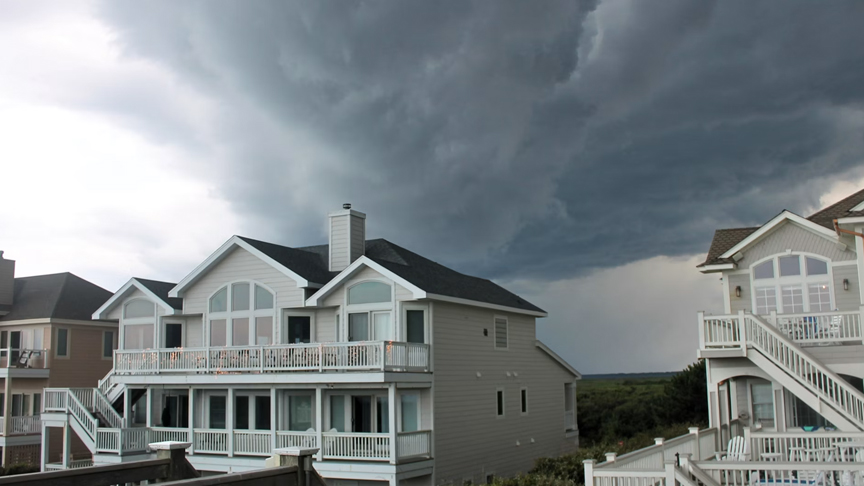
Losing power during a storm is more than an inconvenience. Severe weather can leave homes in the dark, interrupt everyday life and put valuable appliances and electronics at risk of damage from electrical surges. With hurricane season and summer storms underway across many parts of the country, Mister Sparky is encouraging homeowners to prepare now to help protect their homes from costly storm-related electrical damage.
According to JD Power’s October 2025 Utilities Intelligence Report, nearly half (45%) of utility customers nationwide experienced a power outage during the first half of 2025, with almost half (48%) of those outages attributed to extreme weather events such as a hurricane, ice or snowstorm, thunderstorm, wind or tornado or fire. The report also found that the average duration of the longest power outage has increased across every U.S. region since 2022, underscoring the importance of preparing homes before severe weather strikes.
“Many homeowners focus on stocking up on supplies ahead of a storm, but it’s just as important to think about how you’ll protect your whole home,” said Steve Clemente, President & COO of Mister Sparky. “Power outages and electrical surges can happen with little warning, impacting everything from appliances to critical home systems. Taking steps now to prepare can help families stay safer, more comfortable and better protected when severe weather arrives.”
Hurricane Season Electrical Preparedness Checklist
To help homeowners prepare for hurricane season, the professionals at Mister Sparky have a few best practice ideas to protect a home’s electrical system before the first storm hits.
- Protect Your Home from Power Surges
Power surges are sudden spikes in electrical voltage that can occur during lightning storms, utility disruptions and when power is restored after an outage. While some surges are large and immediate, others are small and repetitive, slowly damaging electronics and appliances over time. The strongest line of defense is a whole-home surge protector that helps stop large surges before they enter your home’s electrical system. - Utilize Point of Use Surge Protectors
The best strategy is to combine whole home protection with point of use surge protectors. If additional current slips past your whole home surge protection, plug-in surge protectors provide another layer of defense for sensitive devices such as TVs, computers, gaming consoles, microwaves and routers. It’s important to remember that power strips and surge protectors are not the same thing. Always check that your devices are rated for surge protection. - Evaluate Your Backup Power Needs
A whole home generator can automatically restore power during an outage, helping keep essential systems running, including lighting, refrigeration, HVAC equipment and other household necessities. Before hurricane season, inspect and maintain your generator, perform a test run and review which appliances it can safely support. Homeowners considering a generator should work with a licensed electrician to determine the appropriate system size and ensure it is installed safely. - Schedule a Professional Electrical Assessment
Every home has different electrical needs before severe weather strikes. A licensed electrician can evaluate your home’s electrical system, recommend the right combination of surge protection and backup power solutions, and identify potential issues before they become costly problems during a storm.
Don’t Wait Until Severe Weather Is in the Forecast
Preparing your home’s electrical system before severe weather arrives can help reduce the risk of costly damage, fire and other unexpected disruptions. By taking proactive steps now, homeowners can have greater peace of mind knowing their homes are better equipped to handle hurricane season and summer storms.
As Mister Sparky celebrates 30 years of helping homeowners protect their homes and families, Mister Sparky continues to offer professional electrical inspections, whole home surge protection installation, generator consultations and electrical safety services designed to keep homes prepared for severe weather and unexpected outages.
Home Care
A guide to asking the right flooring questions
To help you find the right floor that balances beauty and substance, consider these questions from the experts at Beautifully Responsible.
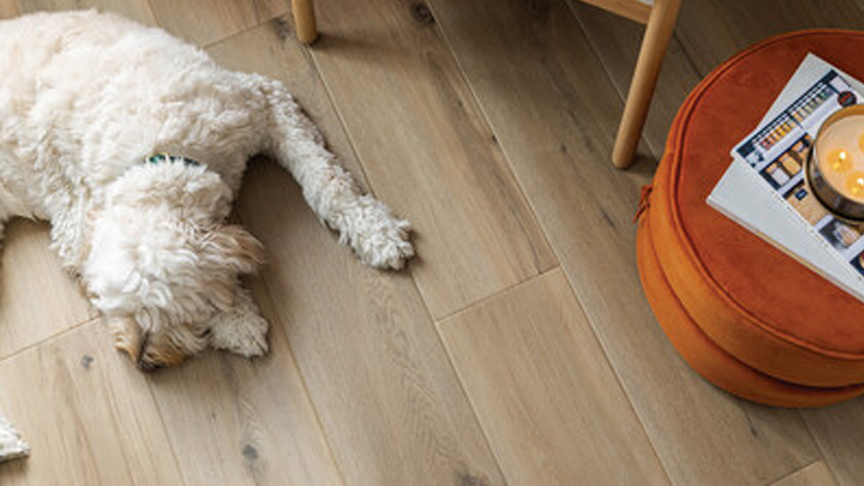
If you’re looking for flooring inspiration for your next home renovation or new build, scrolling through social media boards and manufacturers’ sites are good places to start. However, there are other important flooring considerations beyond aesthetics.
To help you find the right floor that balances beauty and substance, consider these questions from the experts at Beautifully Responsible.
Are the claims standing on sure footing?
Whether it’s sustainable flooring or flooring that promotes good indoor air quality, it’s difficult to know for sure which flooring really meets the criteria they claim. Third-party certifications can provide the dose of truth you need. They are independently verified, meaning the flooring manufacturer needs to prove it’s meeting the strict guidelines of the certifications to use the badge. For instance, third-party certifications — such as FloorScore (for indoor air quality) and ASSURE Certified (for multiple attributes in rigid core flooring) — are quick ways to make sure the flooring you’re considering can back up its claims.
While these floors look stunning in photos, how will they look after a few bouts of tug-of-war with your dog?
Life is full of unexpected moments, whether it’s your new puppy having an accident or spilling coffee in your rush to leave home. Make sure you understand how much effort is required to maintain your flooring choice. Look for durable, scratch-resistant and water-resistant options. Your floors need to withstand your everyday life.
Flooring is also a financial and time investment. While it can be easy to get carried away with the variety of beautiful flooring options out there, it’s important to match your floors with your family’s stage of life.
How can I find good looking floors I can feel good about?
You deserve to feel good about every aspect of your floors — whether it’s stopping your guests in their tracks in amazement when they enter a room or the environmental impacts made by a company working to reduce greenhouse gas emissions. However, finding flooring that matches your home’s aesthetics and what’s important to you requires a little research.
- Check the sustainability section on the manufacturer’s website. Most suppliers of Beautifully Responsible resilient flooring go to great lengths to engage sustainability in their business models. Many also publish detailed sustainability reports.
- Look for Environmental Product Declarations (EPDs), which detail product ingredients, carbon footprint and overall environmental impacts.
What about economics?
Aside from durability, scratch resistance, moisture resistance, third-party certifications and manufacturer commitments to sustainability, affordability is a major factor when choosing a floor. Resilient products have an enormous bandwidth of affordable products that address first homes to dream homes. Also, look for innovations created by resilient flooring manufacturers to make installation more efficient and less costly than many other flooring categories.
Where can I find a floor that meets all these criteria?
Resilient flooring, including varieties from Beautifully Responsible member brands, offers hundreds of options with style and substance.
Resilient flooring offers many scratch-resistant and water-resistant options, making them both pet-friendly and a breeze to clean up with neutral cleansers. You can also find industry-wide EPDs for various types of resilient flooring and many manufacturers regularly publish sustainability reports, sharing their progress toward environmental goals. Walk on peace of mind knowing you’re protected from many common mishaps, all while creating a stunning, sustainable home environment.
Find your floor and answers to more common questions by visiting beautifullyresponsible.com.
Home Care
Reduce your home’s vulnerabilities to wildfire
Here is a science-based guidance to reduce your home’s vulnerability and risk of ignition.
Don’t wait for smoke on the horizon to prepare for a wildfire. While hot temperatures, dry conditions and strong winds increase wildfire threat, taking small manageable steps – like creating a noncombustible 5-foot buffer around your home – can significantly reduce its risk of ember ignition.
As fiery bits of debris, embers can travel miles ahead of the main fire front and often find vulnerable areas, including roofs; vegetation; landscaping; wood, wicker or plastic furniture; dried leaves; and other yard debris, making them the No. 1 reason homes ignite during wildfires.
To help homeowners take the guesswork out of wildfire prep and protect what matters most, experts at the Insurance Institute for Business & Home Safety (IBHS) developed science-based guidance to reduce your home’s vulnerability and risk of ignition.
Check and Maintain Your Roof
More than 90% of U.S. homes already have a Class A fire-resistant-rated roof. However, if your roof is made of wood or other non-rated materials, replace it with a Class A roof to reduce fire risk. Also, regularly clear the roof of leaves, needles and other debris.
In addition, replace plastic or PVC gutters with noncombustible metal options, such as aluminum or steel, and regularly clear gutters and downspouts of all vegetative debris, which can provide fuel for embers to land on and ignite. When ignited, this debris could expose the fascia, roof and attic to flames.
Establish a Critical 0-5-Foot Noncombustible Zone
From the curb to just a few steps from the front door, lush lawn, native plants and healthy trees are part of a wildfire-prepared yard. However, the area closest to your home, a 5-foot buffer, often called “Zone Zero,” is key to keeping embers at bay without any material in this area to ignite.
In fact, a study from IBHS and ZestyAI found property owners who clear vegetation from the perimeter of their home can nearly double the likelihood of it surviving a wildfire.
This doesn’t mean you need to leave this area barren; in fact, a wildfire-prepared landscape is beautiful, green and safe.
Design your yard with healthy trees, plants and grass up to the last few steps to your home. In the last 5 feet, top landscape pavers or river rocks with ceramic flowerpots or noncombustible planters that can easily be moved on Red Flag days – which indicate weather conditions are optimal for wildfire spread – for a beautiful setting that also acts as a fire-resistant buffer. Trees overhanging the zone can serve as a connective path for fire to travel from the yard to the house. Trim them to prevent this risk as well as reduce debris accumulation on the roof, gutters and at the base of exterior walls.
Don’t forget to give the same care to your backyard. Just like looking in from the front curb, native landscaping, including trees and plants, as well as privacy fences, can extend all the way up to just a few steps from the back of your home. In the 5-foot area nearest your home, create an outdoor living space with hardscaping and add patio furniture, planters and other decor – choosing materials like ceramics and wrought iron that won’t burn.
Protect Exterior Features
Vents are weak points where embers can enter your home or build up and ignite materials inside. Install flame- and ember-resistant vents or retrofit existing vents – including attic, soffits, wall and crawlspace vents as well as roof openings – with 1/8-inch, corrosion-resistant metal mesh. Also ensure dryer vents have functional louvers or a self-closing flap to block embers.
Looking around your yard where blowing leaves gather is a good way to visualize the places embers can collect like at the base of a home’s exterior walls. Ensure at least 6 inches of vertical, noncombustible material at ground level (and above decks or patios) below your siding to prevent ember ignition. Materials can include exposed concrete foundation, fiber-cement siding, brick, stone, stucco or metal flashing.
No longer just a threat for western states, these mitigations can reduce wildfire risk in communities across the country. Homeowners in certain states can use this system of mitigation actions to receive a Wildfire Prepared Home designation.
Find more wildfire mitigation guidance by visiting wildfireprepared.org.

Men’s health expert issues warning to fans copying Mark Wahlberg’s early starts

Manulife broadens financial literacy, clean water programs in PH

Redefining aesthetics: From anti-aging to healthy aging

Visiting San Pablo City’s Pho Viet Nam

Four to six servings of wholegrain per day lowers risk factors for heart disease

Structured exercise linked to longer cancer survival and time free of disease

Heading to Pila, Laguna? Check out La Cosina Antonio

Pasalubong shopping in Davao via Aldevinco

The look and feel of your neighborhood may affect your sleep

Workout or nap? Either can help your sleepless brain, study finds
Redefining aesthetics: From anti-aging to healthy aging
Manulife broadens financial literacy, clean water programs in PH
Men’s health expert issues warning to fans copying Mark Wahlberg’s early starts