
Wellness
Cycling in school improves teenagers’ mental health, but wider social factors may impact benefits
Participation in a school cycling education program during the Covid-19 pandemic was associated with improved psychosocial well-being among middle schoolers.


Physical activity has positive effects on mental health and yet, activity rates are declining. This is particularly worrying because the mental well-being of teenagers continues to deteriorate. In the US, one in six school children is diagnosed with some type of mental disorder.
Riding bikes is a promising approach to introduce school-aged children to physical activity. Now, researchers in the US have investigated how adolescents’ psychosocial well-being changed after participating in a school-based cycling program.
“Participation in a school cycling education program during the Covid-19 pandemic was associated with improved psychosocial well-being among middle schoolers,” said Dr Esther Walker, research director at the non-profit organization Outride. “While we saw promising increases in some student subgroups, certain groups had higher levels of self-reported mental well-being both before and after participating in the program.”
“It was really encouraging to see such a positive student response to a cycling-specific physical education program,” said Fletcher Dementyev, a research assistant at Loma Linda University and first author of the study published in Frontiers in Sports and Active Living. “This motivates us, and hopefully others, to continue investigating and developing cycling as a pathway to improved health and well-being in adolescents.”
Riding out for better mental health
Outride is a not-for-profit organization partnering with schools to provide cycling programs. “The Riding for Focus (R4F) program aims to equip students with basic cycling knowledge and experience, so that they may ride safely and confidently,” Walker explained.
“A bicycle can be used for leisure activities, competition, and transportation. Thus, not only are students participating in an activity that improves their health and wellbeing, but also one that empowers them to explore the world,” said Dr Sean Wilson, a researcher at Loma Linda University and the study’s senior author.
More than 1,200 middle schoolers, aged 11 to 14 years, participated in the program’s surveys. Before and after cycling, they completed two surveys that included measures of current mental well-being and psychological functioning. Given the improvement in teenagers’ mental well-being scores, short term physical activity programs hold promise of having a positive influence on mental health and well-being in adolescents, the team said.
Privilege determines well-being
Next to overall well-being, the scientists examined social risk factors that influenced well-being pre- and post-program participation. “We focused on a number of key risk factors that affect mental health and well-being in middle school aged children in the US, including socio-economic status, gender, and race,” Wilson explained.
Relative risk assessments indicated that males, white students, and those from high socio-economic status families still had reduced relative risk of developing psychosocial disorders post-intervention. For example, female students’ well-being improved significantly; male students, however, still had higher well-being scores compared to females after the program. There also was a significant post-program increase in the well-being of non-white students. This positive impact is supported by studies showing that physical activity programs can positively influence the psychosocial well-being of ethnic minorities, particularly those from low-income families.
“While participating can certainly contribute positively to one’s day-to-day life, ultimately, to see large scale improvements, changes in policy, reductions in systematic disparities in access to nutrition, health services, safe environments, and beyond need to be put in motion,” said Walker.
The authors also pointed to limitations of their study, one being a study population that is different from the countrywide student population. “This means that our results, though insightful, aren’t fully reflective of the national youth physical education context,” said Dementyev. “We see this study as the beginning of a national dialogue surrounding investment in cycling education and its potential returns.”



NewsMakers
Workout or nap? Either can help your sleepless brain, study finds
People who either completed 20 minutes of moderate-to-vigorous exercise or took a 90-minute nap performed about 22 per cent better on memory tests after 30 hours without sleep than those who did neither.

A short workout or a nap can help protect memory after a sleepless night, a McGill University-led study has found.
Researchers found people who either completed 20 minutes of moderate-to-vigorous exercise or took a 90-minute nap performed about 22 per cent better on memory tests after 30 hours without sleep than those who did neither. The findings, published in Proceedings of the National Academy of Sciences (PNAS), point to practical ways to counter the effects of sleep deprivation.
“Sleep loss affects nearly every aspect of how we think and function, but many people can’t simply stop what they’re doing and get more sleep,” said senior author Marc Roig, Professor in McGill’s School of Physical and Occupational Therapy. “Our findings show that even a brief bout of exercise may help preserve one of our most important cognitive abilities.”
The study involved 54 healthy young adults who stayed awake for 30 consecutive hours under lab supervision. Participants were then assigned to one of three groups: a 20-minute cycling session, a 90-minute nap or a control condition. Three days later, researchers tested their memory for images they had viewed immediately after the intervention. Those who exercised or napped remembered significantly more images than participants who did neither.
Same result, different pathways
While the memory benefits were nearly identical, brain recordings revealed that exercise and napping helped in different ways.
Napping appeared to help the brain recharge, making it easier to take in and remember new information. Exercise, by contrast, helped the brain use its remaining resources more efficiently, without making participants feel more tired.
The findings could eventually inform fatigue-management strategies in workplaces where sleep loss is common and mistakes can have serious consequences, such as health care, transportation and emergency response.
“A nap isn’t always possible in the middle of a shift,” said first author Madhura Lotlikar, a doctoral candidate in McGill’s Department of Neurology and Neurosurgery. “Exercise is accessible, inexpensive and easy to implement. That makes it a promising tool to help people stay cognitively sharp when sleep is limited.”
The researchers emphasize that exercise cannot replace sleep, but it may help people function better when getting enough rest isn’t possible.
About the study
“Protecting episodic memory after sleep loss: Similar benefits of exercise and naps via distinct neural contributions” by Madhura Lotlikar and Marc Roig et al., was published in Proceedings of the National Academy of Sciences of the United States of America.
Wellness
Walking and weight training alone are not enough for strong bones – football and handball may be more effective
Bone formation was stimulated most effectively by activities involving explosive movements, rapid changes of direction, and turning. The findings could help improve exercise programs designed to maintain bone health and prevent osteoporosis.

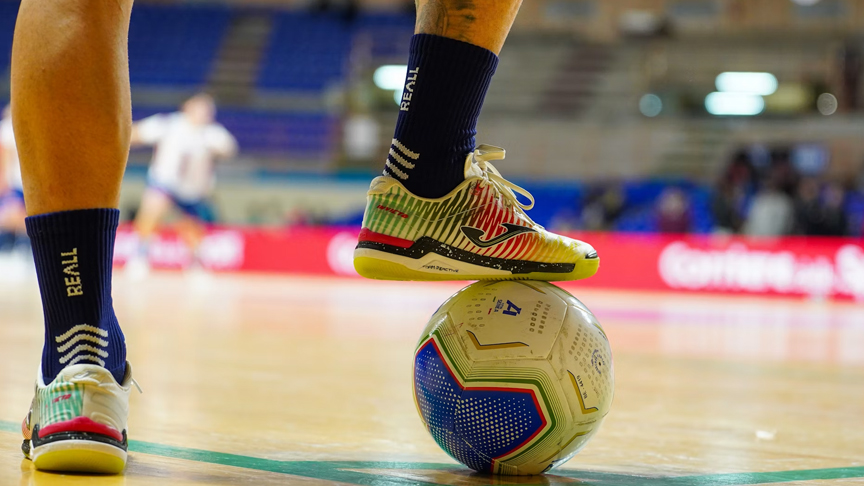
When it comes to maintaining healthy bones, how intensely we exercise may matter more than how much we exercise, according to researchers at Semmelweis University.
Their study, published in Sports Medicine – Open, found that bone formation was stimulated most effectively by activities involving explosive movements, rapid changes of direction, and turning. The findings could help improve exercise programs designed to maintain bone health and prevent osteoporosis.
Researchers at Semmelweis University analyzed the results of 24 clinical studies involving a total of 1,238 healthy adult participants. Rather than tracking changes in bone mineral density, the studies measured substances in the blood that indicate whether the body is actively building new bone tissue. These so-called biomarkers can reflect the effects of exercise within just a few weeks, providing feedback much earlier than bone density measurements.
“What makes our study unique is that we examined not only the type of exercise – whether endurance, resistance, or combined training – but also exercise intensity, frequency, and duration. Our goal was to determine which forms of exercise stimulate bone metabolism most effectively and which appear to be less beneficial from this perspective,” said dr. Péter Ferdinandy, Vice-Rector for Science and Innovations at Semmelweis University and senior author of the study.
The most effective activities were high-intensity sports involving frequent explosive movements, rapid changes of direction, and turning. Recreational football and handball, for example, were associated with increases of up to 45–46 percent in the levels of substances linked to bone formation. In contrast, walking, step aerobics, and traditional gym-based resistance exercises were generally less effective.
What should you keep in mind?
It is important not to start a high-intensity exercise program suddenly or without proper preparation. This is particularly true for people with cardiovascular, musculoskeletal, or metabolic diseases, as well as those living with osteoporosis. Before beginning a new type of exercise or a more demanding training program, they should consult their treating physician, general practitioner, or a sports medicine specialist to ensure that the activity and its intensity are appropriate for their individual health status.
“The most surprising finding was that resistance training did not produce a significant effect on markers of bone metabolism, even though several professional guidelines recommend this type of exercise for maintaining bone health. Likewise, low- or moderate-intensity endurance exercise, such as walking or jogging, showed no meaningful long-term effect,” explained Viktória Barna, PhD student at Semmelweis University and first author of the study.
This, of course, does not mean that walking or lower-intensity physical activity is without health benefits. However, if the goal is to keep bones strong and healthy for as long as possible, they appear to require a greater mechanical stimulus.
“According to the World Health Organization, regular physical activity offers numerous health benefits. However, our findings suggest that low-intensity exercise alone is not sufficient to stimulate bone metabolism. High-intensity exercise may trigger early beneficial changes in bone formation, potentially helping to slow bone loss and support healthy ageing,” summarized dr. Nóra Sydó, clinical specialist and co-author of the study.
According to the researchers, these findings could contribute to the development of evidence-based exercise programs aimed at maintaining bone health and preventing osteoporosis.
NewsMakers
Move to quit: Exercise boosts smoking quit rates
Researchers found that people taking part in exercise programs were 15% more likely to achieve continuous abstinence and 21% more likely to report not smoking over a seven-day period, compared with control groups.

A pack-a-day smoker can spend around $14,000 a year on cigarettes, yet despite the financial and health costs, quitting remains one of the most difficult changes many people will ever attempt.
Now, new research from Adelaide University shows that exercise can help people quit smoking by reducing cigarette consumption, easing cravings and improving their chances of quitting.
Researchers found that people taking part in exercise programs were 15% more likely to achieve continuous abstinence and 21% more likely to report not smoking over a seven-day period, compared with control groups.
They also found that exercise could reduce cigarette consumption by two cigarettes per day, and that a single bout of exercise immediately reduced cigarette cravings for up to 30 minutes after exercise.
The systematic review and meta-analysis examined 59 randomised controlled trials involving more than 9000 participants, exploring the effects of both single bouts of exercise and long-term exercise programs on smoking cessation, cravings, withdrawal symptoms and mood.
Globally, tobacco smoking remains the leading preventable cause of premature morbidity and mortality, accounting for about 7 million deaths, including an estimated 1.6 million non-smokers who are exposed to second-hand smoke.
Around the world, e-cigarette use has now reached more than 100 million people.
The researchers say exercise should be viewed as an additional tool that can be used alongside established smoking cessation support.
Lead researcher, Dr Ben Singh said the findings provide smokers with a practical, low-cost tool that can support their quitting journey.
“Quitting smoking is one of the best things a person can do for their health, but it’s also one of the hardest,” Dr Singh said.
“Many smokers want to quit, but the current approaches don’t work for everyone. That’s why we need more strategies that people can incorporate into their daily lives at little or no cost.
“Something as simple as regular exercise can make a meaningful difference to people trying to quit, helping them manage cravings, smoke less and improve their chances of quitting.”
While smoking rates have reduced over the past two decades, demand for e-cigarettes and heated-tobacco products have risen, targeting the younger generation.
Today, 80% of the 1.3 billion tobacco users worldwide live in low- and middle-income countries, yet in contrast, vaping has risen across many OECD countries.
Senior researcher Adelaide University’s Professor Carol Maher said exercise could be used strategically to ward off tobacco cravings.
“Quitting smoking does not have to begin and end with willpower alone,” Prof Maher said.
“Cravings can be difficult to manage, but they often pass. Our review found that even a single bout of exercise can reduce cravings for up to 30 minutes, which may help people get through some of the hardest moments of a quit attempt.
“Exercise should not replace evidence-based quit supports such as counselling and smoking cessation medication, but it may be a practical, low-cost strategy that people can use alongside them.”
The researchers say the next step is to test how exercise can be built into real-world quit programs, including digital, community and clinical services, and to examine whether it can also support people trying to quit vaping, where evidence is currently lacking.

Heading to Pila, Laguna? Check out La Cosina Antonio

Pasalubong shopping in Davao via Aldevinco

The look and feel of your neighborhood may affect your sleep

Workout or nap? Either can help your sleepless brain, study finds

Study links coffee consumption to metabolic health and sex hormones

Manulife Investments Philippines leads UITF rankings across equity and fixed income funds

Scheduling dental care during prenatal visits boosts oral health care during pregnancy

Enjoying the grilling at Mandaue City’s Matias BBQ

Dogs can distinguish between human fear and sadness

Pet dog microbiota may protect young children from respiratory tract infections and reduce the need for antibiotic courses
Scheduling dental care during prenatal visits boosts oral health care during pregnancy
Study links coffee consumption to metabolic health and sex hormones
Enjoying the grilling at Mandaue City’s Matias BBQ
Dogs can distinguish between human fear and sadness
The look and feel of your neighborhood may affect your sleep
Manulife Investments Philippines leads UITF rankings across equity and fixed income funds
Pasalubong shopping in Davao via Aldevinco
Workout or nap? Either can help your sleepless brain, study finds
Heading to Pila, Laguna? Check out La Cosina Antonio

-
 NewsMakers4 weeks ago
Scheduling dental care during prenatal visits boosts oral health care during pregnancy
-
 NewsMakers3 weeks ago
Study links coffee consumption to metabolic health and sex hormones
-
 Destinations4 weeks ago
Enjoying the grilling at Mandaue City’s Matias BBQ
-
 Pet Care4 weeks ago
Dogs can distinguish between human fear and sadness
-
 NewsMakers2 weeks ago
The look and feel of your neighborhood may affect your sleep
-
 Product Showcase4 weeks ago
Manulife Investments Philippines leads UITF rankings across equity and fixed income funds
-
 Destinations1 week ago
Pasalubong shopping in Davao via Aldevinco
-
 NewsMakers2 weeks ago
Workout or nap? Either can help your sleepless brain, study finds