
NewsMakers
Men who perceive their marriage as unsuccessful are at high risk for premature death
A new Tel Aviv University study revealed that perceiving marriage as unsuccessful is a significant predictor of death from a CVA and premature death among men, no less that well-known risk factors such as smoking and lack of physical activity.


Dissatisfaction with married life raises the risk of dying from a cerebrovascular accident.
A new Tel Aviv University study revealed that perceiving marriage as unsuccessful is a significant predictor of death from a CVA and premature death among men, no less that well-known risk factors such as smoking and lack of physical activity. The study was based on extensive health data from more than 30 years of research that tracked the deaths of 10,000 Israeli men.
The study was led by researchers from the School of Public Health at the Sackler Faculty of Medicine, Tel Aviv University: Prof. Uri Goldbort from the Department of Epidemiology and Preventive Medicine, who initiated and managed the long-term study; Dr. Shahar Lev-Ari, the head of the Department of Health Promotion; and Dr. Yiftah Gapner, from the Department of Epidemiology and Preventive Medicine. The article was published in the Journal of Clinical Medicine.
As part of the study, the researchers conducted statistical analyses of a database that started gathering data in the 1960s and, for 32 years, tracked the health and behavior of 10,000 men, all Israeli state employees, with special attention paid to death from strokes and premature death in general. At the beginning of the study, most of the participants were in their 40s. Since then, 64 percent died from a range of illnesses. “We wanted to analyze the data gathered longitudinally using various parameters to identify behavioral and psychosocial risk factors that can predict death from a CVA and premature death for any reason,” Dr. Lev-Ari explains.
The researchers say that, early in the 32-year long study, participants in the longitudinal study were asked to rank their level of marriage satisfaction on a scale of 1 (marriage is very successful) to 4 (marriage is unsuccessful).
To the researchers’ surprise, the analysis showed that this scale was a predictive factor vis-à-vis life expectancy, very similar to smoking and lack of physical activity. For example, the number of deceased from a stroke was 69 percent higher among those who ranked their marriage satisfaction at 4 (i.e. marriage is unsuccessful) compared to those who ranked their marriage satisfaction very highly – 40.6 dead among the very dissatisfied versus 24.0 among the very satisfied. [1] (Statistical analysis: see footnote)
When it came to death from any cause, the gap was 19 percent in favor of the happily married. The data show that while among the unhappily married there were 295.3 deaths for any reason (see footnote 1), among the very happily married there were only 248.5 (see footnote 1). The researchers note that the gaps were even larger among men who were relatively young (under 50) at the beginning of the study.
In addition, the researchers conducted a statistical analysis of all known risk factors contributing to death from cardiovascular diseases, such as diabetes, hypertension, excessive BMI, and socioeconomic status. Here, too, the data was highly surprising. It turns out that the relative risk for death for any reason among the unhappily married versus the happily married was 1.21 higher among those dissatisfied with their marriages. This rates is similar to data in the literature regarding smokers and those leading a sedentary life.
Dr. Lev-Ari summarizes: “The quality of marriage and family life has health implications for life expectancy. Men who reported they perceived their marriage as failure died younger than those who experienced their marriages as very successful. In other words, the level of satisfaction with marriage has emerged as a predictive factor for life expectancy at a rate comparable with smoking (smokers versus non-smokers) and physical activity (activity versus inactivity).
“Furthermore, it’s important to note that we observed a higher risk among relatively young men, under the age of 50. At a higher age, the gap is smaller, perhaps due to processes of adjustment that life partners go through over time. These findings were consistent with other studies that have shown the effectiveness of educational programs fostering good life partnerships as part of a national strategy to promote health and wellness for the public at large.”





NewsMakers
Coffee and heart health: How many cups of caffeinated coffee are safe to drink each day?
For most adults, consuming up to 400 mg of caffeine/day (or up to 5, 8-ounce cups of caffeinated coffee per day) is safe and appears to be linked to a lower risk of cardiovascular disease for some individuals.

Previous studies have found that caffeine is the world’s most popular stimulant and psychoactive substance, and coffee is the most common way people consume caffeine. The latest research supports the conclusion that for most adults, consuming up to 400 mg of caffeine/day (or up to 5, 8-ounce cups of caffeinated coffee per day) is safe and appears to be linked to a lower risk of cardiovascular disease for some individuals.
However, higher doses of caffeine, such as levels found in energy drinks including energy shots, may cause cardiovascular harm, according to a new American Heart Association scientific statement, “Caffeine and Cardiovascular Disease,” published in the American Heart Association’s flagship peer-reviewed scientific journal Circulation.
“Caffeine consumed in coffee is a key part of daily life for millions of people, and in our review of the most recent research, for most adults, intake of up to 400 mg of caffeine/day, the equivalent of up to 5 cups of caffeinated coffee per day without added sugars or fillers, is safe and does not increase cardiovascular risk,” said Chair of the scientific statement volunteer writing group Gregory M. Marcus, M.D., M.A.S., FAHA, a professor of medicine at the University of California, San Francisco School of Medicine and the associate chief of Cardiology for Research at the University of California, San Francisco Health. “However, high doses of caffeine, such as those found in energy drinks including energy shots, may have harmful effects on the heart and should be avoided.”
The statement authors note that studying the effects of caffeine on the cardiovascular system is challenging. Coffee is the main source of caffeine in most research studies, and the observed cardiovascular effects may be due to other compounds in coffee. For example, experimental studies suggest that the bioactive compounds in coffee may have antioxidant and anti-inflammatory properties, which may help explain some health benefits. It’s also difficult to separate the effects of caffeine from other ingredients usually added to coffee, such as milk, cream, flavored syrups and/or sugar. In addition, most studies on caffeine are observational, meaning they cannot prove cause and effect.
Although coffee is the main source of caffeine for most adults, tea, chocolate, soda and energy drinks, as well as over-the-counter and prescription medications, also contribute to overall caffeine intake. More research is needed about other products with caffeine in order to understand caffeine content and caffeine’s impact on cardiovascular health.
The new scientific statement details the most recent research primarily on caffeinated coffee and the potential impact of caffeine in coffee on high blood pressure, cholesterol, Type 2 diabetes, coronary heart disease, stroke, heart failure, atrial fibrillation, other arrhythmias and other cardiovascular conditions.
Caffeine and cardiovascular health: key things to know
- Based on the results of the latest research studies reviewed, consuming up to 400 mg of caffeine per day, or no more than 3 to 5, 8-ounce cups of regular black caffeinated coffee per day (without sugars, sweeteners, flavors or added fillers), is considered safe for most adults. A regular brewed, non-specialty, caffeinated coffee typically contains 9.4-20.6 mg of caffeine per fluid ounce.
- Consuming caffeinated coffee without added sugars, flavors or cream was linked to a lower risk of Type 2 diabetes, heart disease, stroke, heart failure and some irregular heart rhythms.
- Randomized trials, the most rigorous and reliable type of study design, have shown that caffeine consumption in coffee is associated with a lower risk of atrial fibrillation but also a higher risk of premature ventricular contractions.
- Adding sugar, flavored syrups, milk and/or cream to coffee likely reduces its potential health benefits, and more research is needed to understand the impact of these additives.
- Higher caffeine intake, such as levels found in energy drinks including energy shots, was associated with cardiovascular harm, such as increased risk of high blood pressure and irregular heart rhythm. Energy drink shots may contain 40-69 mg of caffeine per fluid ounce, 3-4 times more caffeine than regular caffeinated coffee.
How does caffeine affect the body?
Caffeine consumed in coffee is metabolized by the liver and generally reaches peak concentration for most people within an hour. However, how quickly individuals process caffeine depends on their genetics, metabolism, age and past caffeine use. When more caffeinated coffee is consumed regularly, some people may develop a tolerance to higher levels of caffeine.
Other people may feel stronger effects from the same amount of caffeine. Short-term effects of caffeine may include temporary increases in blood pressure, heart rate, blood sugar and alertness. Some people may experience heart palpitations and/or sleep disruption.
Specific health impacts of caffeine
- Effects on blood pressure: Studies have found that caffeinated coffee consumption may affect blood pressure differently depending on how much is consumed. In people with optimal blood pressure, drinking 1–3 cups a day was associated with an increased risk of developing high blood pressure, while drinking more than 3 cups per day was associated with a lower risk. High doses of caffeine (such as those from energy drinks or energy shots) can significantly increase blood pressure, especially in people who already have high blood pressure.
- Effects on Type 2 diabetes: Research suggests that caffeinated coffee may reduce insulin sensitivity in the short term. In addition, drinking black, caffeinated coffee (no additives, flavors or sweeteners) regularly was linked to a lower risk of developing Type 2 diabetes. However, this benefit may be due to compounds in coffee other than caffeine. More research is needed to clarify the impact on Type 2 diabetes of caffeinated coffee vs. various compounds in coffee.
- Effects on cholesterol: Data from randomized clinical trials indicate cafestol, a component in both caffeinated and decaffeinated coffee, was associated with higher levels of low-density lipoprotein (also known as “bad” cholesterol). Cafestol is present in unfiltered coffee (such as espresso, French press, Turkish coffee or boiled coffee) but not present in coffee brewed with paper filters or instant coffee. More research is needed to understand which products have higher levels of cafestol and their mechanisms.
- Effects on heart rhythm: The most recent analyses of health measures with self-reported information from participants have found that drinking 1-3 cups of caffeinated coffee per day was not associated with an increased risk of atrial fibrillation or abnormal heart rhythm. However, caffeinated coffee at that same level may be associated with more early beats from the lower chamber of the heart, called premature ventricular contractions (or PVCs). Very high doses of caffeine (such as those in caffeinated energy drinks or energy shots) have been linked to abnormal heart rhythm in people usually considered to have low cardiovascular disease risk, such as healthy adults younger than age 30.
- Effects on heart disease and stroke: Drinking 2-4 cups of caffeinated coffee per day was linked to a lower risk of heart disease, heart failure and stroke. However, drinking more than 4 cups of caffeinated coffee a day may increase the risk of heart failure.
Not all sources of caffeine are the same
More research is necessary to investigate the different health impacts of various types of caffeinated coffee and other products with caffeine, such as tea, soda, energy drinks and energy shots, and foods. There have been fewer studies focused on tea vs. coffee; however, tea has been associated with reduced risk of atrial fibrillation, heart failure and stroke, similar to caffeinated coffee. Energy drinks, bars, gels and caffeine-based supplements often contain other added ingredients that may increase the absorption of caffeine, may accelerate its effects on the body, may raise blood pressure and increase the risk of cardiovascular harm.
More randomized controlled trials investigating the effects of caffeine in coffee and other products that have caffeine on cardiovascular health are needed to better understand how caffeine affects different people and how different sources of caffeine impact heart health. The writing group emphasized that there is also a need for research focused on caffeinated energy drinks and other popular products containing caffeine. Due to the lack of sufficient, rigorous data to develop guidance on recommendations for caffeine intake, caffeine was not referenced in the Association’s 2026 Dietary Guidance to Improve Cardiovascular Health.
“Although research suggests that caffeine consumption may be associated with certain cardiovascular benefits for some people, it’s important to remember that there is no ‘one-size-fits-all’ strategy for safe caffeine consumption. People can respond very differently to caffeine based on various factors, such as age, medications, underlying health conditions, genetics and how quickly their bodies metabolize it. What may be a reasonable amount for one person could cause unwanted effects, such as heart palpitations, anxiety or sleep disruption, in another. That’s why it’s important to pay attention to how your body responds to caffeine and talk with your healthcare team about what is right for you,” Marcus said.
Co-authors are Vice Chair Frank B. Hu, M.D., M.P.H., Ph.D., FAHA; Rob M. van Dam, Ph.D.; Marilyn C. Cornelis, Ph.D.; Thomas A. Dewland, M.D.; JungHee Kang, Ph.D., M.P.H., R.N.; Susanna C. Larsson, Ph.D.; Robert L. Page II, Pharm.D., M.S.P.H., FAHA; and Niyati Parekh, Ph.D., FAHA. Authors’ disclosures are listed in the manuscript.
NewsMakers
Loneliness strongly linked to poorer mental health and wellbeing, study finds
Loneliness was found to be linked with worse general health, including experiencing multiple health conditions. Social isolation is associated with lower wellbeing, too.

People who feel lonely are much more likely to experience poorer mental health and lower wellbeing, a collaborative study led by the University of Bristol, Nesta and Amsterdam UMC has found. Loneliness was also found to be linked with worse general health, including experiencing multiple health conditions. Social isolation is associated with lower wellbeing, too.
Loneliness is increasingly recognised as a major public health issue, with growing evidence connecting it to poorer health. However, it is unclear whether loneliness itself contributes to poor health or whether these links are driven by other factors.
The study, in association with the universities of Oxford and Manchester, combined evidence from three different research methods, including observational analysis, sibling comparisons, and Mendelian randomisation, a genetics-based approach, to build a clearer understanding of these relationships.
Using data from the UK Biobank and large-scale genome-wide association studies, the researchers investigated how both loneliness – the quality of a person’s social relationships; and social isolation – the number of social connections, relate to health and wellbeing. The study is published in Nature Communications.
The research team found that loneliness and social isolation are linked to poorer mental health and reduced wellbeing, with loneliness also associated with worse general health. While the study found no clear evidence of effects on specific physical health conditions, these potential impacts cannot be ruled out.
The findings suggest that loneliness, and potentially social isolation, remain important public health issues, particularly because of their links with mental health, wellbeing and overall health.
As loneliness becomes an increasingly important public health challenge, tackling it could bring benefits for both individuals and society.
Dr Zoe Reed, Research Fellow in the School of Psychology and Neuroscience at the University of Bristol, and corresponding author, said: “Our findings suggest that loneliness, and possibly social isolation, are still important public health concerns, especially for mental health and general health. Supporting people who feel lonely or socially isolated could help improve mental health, wellbeing and overall health.”
Lauren Bowes Byatt, Director of Nesta’s healthy life mission, added: “This research underlines that loneliness is likely to have a detrimental impact on our mental health and wellbeing. While this link may seem obvious, the topic has long been understudied. Studies like this can help to bridge this research gap and by understanding how loneliness or social isolation may be contributing to ill-health, we can get closer to new and more effective solutions.”
The researchers suggest more research is needed to understand exactly how loneliness and social isolation affect health and to develop the most effective ways to reduce their impact.
As the study focused on middle-aged and older adults, future studies should explore whether these patterns are similar in younger people. It will also be important to investigate the effects of persistent or long-term loneliness, as the study measured loneliness at a single point in time.
The paper’s findings add to growing evidence that loneliness and social isolation are not just social issues, they are important public health concerns with wide-ranging implications for wellbeing and mental and physical health. The research reinforces the importance of addressing these issues as part of public health policy and practice.
NewsMakers
Weight loss drugs could help with binge eating disorder
Drugs commonly used for weight loss, known as GLP-1 receptor agonists, have been found to reduce the key symptoms of binge eating disorder
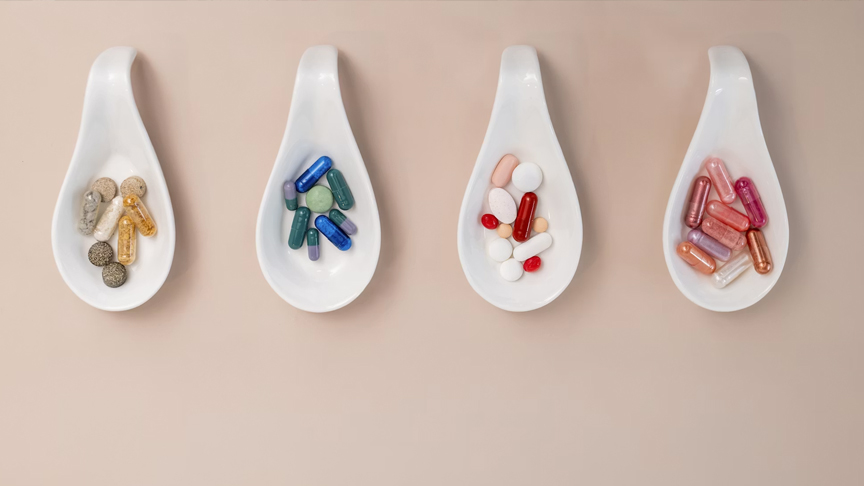
Drugs commonly used for weight loss, known as GLP-1 receptor agonists, have been found to reduce the key symptoms of binge eating disorder, in a new review of evidence led by University College London (UCL) researchers.
The systematic review and meta-analysis, published in eClinicalMedicine, found that weight loss drugs can reduce binge eating episodes, loss-of-control eating and emotional eating, and highlights its potential role to treat binge eating disorder as well as obesity.
Lead author Dr Ilaria Costantini (UCL Psychiatry) said: “Binge eating disorder, where people regularly eat an excessive amount of food while feeling they have lost control, is common and highly impairing, affecting over 17 million people worldwide.
“But treatment options are limited and there are currently no approved medications, so there remains a need for better ways to help people living with this condition. We found evidence that weight loss drugs may help to manage some key symptoms of binge eating disorder.”
In the largest study to date on the subject, the researchers pulled together evidence from 25 randomised controlled trials that took place in 12 countries on four continents, including data from 8,069 participants.
The studies were testing the effects of drugs targeting the appetite-regulating hormone GLP-1 such as semaglutide (often marketed under brand names Ozempic or Wegovy), tirzepatide (also known as Mounjaro) or liraglutide.
These drugs can suppress appetite by targeting the central nervous system and insulin secretion, and they can delay stomach emptying, while also potentially influencing brain processes of reward and impulse control.
The researchers found that the drugs yielded benefits beyond weight loss, including reducing binge eating, loss of control eating and emotional eating.
Participants also reported increased cognitive or dietary restraint (which relates to how much people intentionally limit their eating), but the researchers say more research is needed to understand this link.
The study’s first author, PhD candidate Izzy Emptage (UCL Psychiatry), said: “From the evidence available, we cannot say whether the increase in dietary restraint reflects a positive and helpful form of self-regulation or if it is a more dysfunctional pattern of eating. We hope that future research can clarify whether or not taking weight loss drugs might contribute to more pathological forms of eating restriction such as meal skipping.”
The researchers say their findings demonstrate that weight loss drugs could be an important part of treatment plans for people with binge eating disorder, alongside psychological therapies and social support.
Izzy Emptage added: “Many people with binge eating disorder cannot access weight loss drugs through their public healthcare providers, so many have to seek treatment privately at considerable personal cost.
“We hope that by highlighting the potential of weight loss drugs to help with binge eating symptoms, our findings will lead to further funding of larger high-quality studies in this area, to better understand how this medication could be used in practice and improve treatment options.”

Going Chinese in Pulilan, Bulacan

Coffee and heart health: How many cups of caffeinated coffee are safe to drink each day?

Loneliness strongly linked to poorer mental health and wellbeing, study finds

Weight loss drugs could help with binge eating disorder

How to prepare and protect homes from costly storm-related electrical damage

Fullerton Health celebrates two years of advancing preventive healthcare in PH

New IKEA PS Collection brings playful functionality into your home

Manulife China Bank Life expands access to cancer care solutions

Tips for smooth travel with pets

A guide to asking the right flooring questions

Enjoying nature via trail hiking in Wales

‘Drunk riding’ behind almost half of fatal electric scooter crashes

Move to quit: Exercise boosts smoking quit rates

Why taking a sick day depends on more than being sick

Treacherous beauty: Hiking at South Stack Lighthouse in Wales

For every parent who wants to be present: AXA reinforces importance of early health preparedness

Superbod Movement goes beyond the stage

Poor-quality sleep involves different parts of the brain, depending on age

Omega Healthcare recognized
New IKEA PS Collection brings playful functionality into your home

-
 Travel4 weeks ago
Enjoying nature via trail hiking in Wales
-
 NewsMakers4 weeks ago
‘Drunk riding’ behind almost half of fatal electric scooter crashes
-
 NewsMakers4 weeks ago
Move to quit: Exercise boosts smoking quit rates
-
 NewsMakers4 weeks ago
Why taking a sick day depends on more than being sick
-
 Travel4 weeks ago
Treacherous beauty: Hiking at South Stack Lighthouse in Wales
-
 Product Showcase4 weeks ago
For every parent who wants to be present: AXA reinforces importance of early health preparedness
-
 Product Showcase3 weeks ago
Superbod Movement goes beyond the stage
-
 NewsMakers2 weeks ago
Poor-quality sleep involves different parts of the brain, depending on age