
Wellness
Dance effective in fighting against cognitive decline in Parkinson’s
Dance can be beneficial in halting the cognitive decline associated with Parkinson’s disease and, for some participants, they even showed signs of improvement.


A new study led by researchers at York University shows that dance can be beneficial in halting the cognitive decline associated with Parkinson’s disease and, for some participants, they even showed signs of improvement. Faculty of Health Associate Professor Joseph DeSouza, co-author of the study, says since cognition is nearly always expected to decline as the illness progresses and this was a multi-year study, the findings are quite remarkable.
“The classic progression of Parkinson’s disease is that cognition gets bad as well as motor symptoms, and some people already have significantly impaired cognition by the time they get to a diagnosis,” says DeSouza, who worked closely on the study with lead author Simran Rooprai, a second-year interdisciplinary master’s student at York. “So finding that no one in the dance group had further cognitive decline over six years, we think that’s pretty significant.”
The study, published in the Journal of Alzheimer’s Disease, looked at 43 participants from a group with Parkinson’s participating in the Sharing Dance Parkinson’s program at the National Ballet of Canada and the Dance for Parkinson’s Disease program through Trinity St. Paul’s Church, both located in Toronto, and a reference group of 28 people with Parkinson’s who were sedentary and not engaged in any physical activity.
Dance classes would begin with a seated warm-up, followed by “barre” exercises, and sessions ended with floorwork dances. One group was also taught a specific choreography in preparation for an upcoming performance.
The researchers found that the cognitive scores for the dance group had improved compared to the reference group, where they saw no changes, or a slight decline.
Rooprai says the research shows that dance could help with cognitive preservation, or perhaps even improvement in those with Parkinson’s.
“We can’t really fix the brain, but we’re trying to show that with dance, maybe we can delay the onset of further cognitive decline,” says Rooprai.
While Parkinson’ disease is most closely associated with the characteristic tremors of the disease, it is also associated with cognitive decline, with four out of five people with the illness eventually experiencing severe cognition problems as the disease progresses.
Earlier research led by DeSouza at York that he worked on with fellow author and former York PhD student Karolina Bearss, now a professor at Algoma University, has shown the benefits of dance for depression and motor symptoms of the illness, suggesting the benefits of dance are widespread.
“Dance engages many parts of the brain,” says Rooprai. “While dancing, you’re listening to music, learning new steps, remembering the different sequences, and you’re engaging with other dancers so you’re aware of your surroundings. Dance is physical, mental, and social all at once.”
DeSouza and Rooprai are working on a follow-up study in collaboration with the Baycrest Academy for Research and Education, where they will look at how working memory is affected for people with Parkinson’s taking weekly dance classes.
“Given how dance has so many different positive impacts on cognition, we expect to see improvements,” says DeSouza.




Wellness
Structured exercise linked to longer cancer survival and time free of disease
Those who exercised as part of their care were 23% less likely to die and 17% less likely to have a recurrence before death than those who didn’t exercise. Separate analyses showed that they were also 18% less likely to die from any cause, and 26% less likely to die from their cancer.

Structured exercise may help people with cancer live longer and have more time free of disease, finds a synthesis of the available evidence, published in the British Journal of Sports Medicine.
The survival and recurrence risk benefits were strongest in early stage disease, in those who did aerobic exercise or aerobic exercise plus strength training, and in those who managed to keep up their exercise routines, the findings indicate.
Their analysis prompts the researchers to conclude that incorporating the therapeutic potential of exercise into cancer care merits consideration.
Cancer comes back in between 20%–40% of patients, even after standard curative surgery and chemotherapy, point out the researchers.
While structured exercise is widely recommended to ease fatigue and improve physical functioning and quality of life, its potential to prolong survival and stave off disease recurrence remains a subject of debate, they add.
In a bid to strengthen the evidence base, the researchers scoured research databases for randomised controlled clinical trials published up to the end of 2025 and reporting on survival and disease recurrence in adults with confirmed cancer who were given structured exercise programmes as part of their care.
From an initial haul of 123 studies, 21 clinical trials from North America, Europe, Australia, and Asia, involving a total of 8449 participants (88% women), met the eligibility criteria.
The average age of participants was 54 (range 47–76), and the average monitoring period was 64 months (range 2–99 months). The most common type of cancer studied was that of the breast followed by those of the bowel and pancreas.
Pooled data analysis of the results showed that structured exercise was associated with significant improvements in overall survival.
Those who exercised as part of their care were 23% less likely to die and 17% less likely to have a recurrence before death than those who didn’t exercise. Separate analyses showed that they were also 18% less likely to die from any cause, and 26% less likely to die from their cancer.
But there was no clear evidence that structured exercise prolonged the time before patients’ cancer worsened or increased the likelihood that no invasive cancer remained after standard treatment.
An exploratory analysis showed that the associations were stronger among participants who completed at least 70% of their exercise programme.
Overall survival estimates favoured aerobic exercise alone and programmes combining aerobic exercise and strength training. No clear association was found for strength training alone, but this finding was based only on one trial, involving 129 participants, note the researchers
“Aerobic exercise drives systemic cardiovascular conditioning, immune cell mobilisation, and normalisation of tumour perfusion, mechanisms directly relevant to systemic tumour control,” explain the researchers.
There are plausible biological explanations for the beneficial effects of exercise on cancer survival and risk of recurrence, they suggest.
Exercise may boost the body’s immune system response to cancer and improve blood flow within tumours, potentially helping treatment to work better. It may also lower circulating levels of sex specific hormones and increase glucose uptake by muscles, leaving less available to fuel cancer cells, they highlight. And it may help cells repair DNA damage, potentially limiting changes that can make tumours more aggressive, they add.
The researchers acknowledge various limitations to their findings, including the migration of participants in comparison groups to healthier behaviours; considerable variations in the type, duration, and intensity of the included exercise interventions; and a predominance of evidence from breast cancer trials, with relatively little evidence on advanced stage disease.
Nevertheless, they conclude: “Our meta-analysis provides direct, quantified evidence suggesting that the benefits of structured exercise may extend beyond supportive care to outcomes traditionally associated with therapeutic interventions, while underscoring that observed effects are context dependent and sensitive to trial design, conduct, and feasibility.”
They add: “On the strength of this evidence, clinicians can reasonably recommend structured exercise as part of oncological care, while recognising that important questions remain and that ongoing trials will continue to refine its optimal application.”
NewsMakers
Workout or nap? Either can help your sleepless brain, study finds
People who either completed 20 minutes of moderate-to-vigorous exercise or took a 90-minute nap performed about 22 per cent better on memory tests after 30 hours without sleep than those who did neither.

A short workout or a nap can help protect memory after a sleepless night, a McGill University-led study has found.
Researchers found people who either completed 20 minutes of moderate-to-vigorous exercise or took a 90-minute nap performed about 22 per cent better on memory tests after 30 hours without sleep than those who did neither. The findings, published in Proceedings of the National Academy of Sciences (PNAS), point to practical ways to counter the effects of sleep deprivation.
“Sleep loss affects nearly every aspect of how we think and function, but many people can’t simply stop what they’re doing and get more sleep,” said senior author Marc Roig, Professor in McGill’s School of Physical and Occupational Therapy. “Our findings show that even a brief bout of exercise may help preserve one of our most important cognitive abilities.”
The study involved 54 healthy young adults who stayed awake for 30 consecutive hours under lab supervision. Participants were then assigned to one of three groups: a 20-minute cycling session, a 90-minute nap or a control condition. Three days later, researchers tested their memory for images they had viewed immediately after the intervention. Those who exercised or napped remembered significantly more images than participants who did neither.
Same result, different pathways
While the memory benefits were nearly identical, brain recordings revealed that exercise and napping helped in different ways.
Napping appeared to help the brain recharge, making it easier to take in and remember new information. Exercise, by contrast, helped the brain use its remaining resources more efficiently, without making participants feel more tired.
The findings could eventually inform fatigue-management strategies in workplaces where sleep loss is common and mistakes can have serious consequences, such as health care, transportation and emergency response.
“A nap isn’t always possible in the middle of a shift,” said first author Madhura Lotlikar, a doctoral candidate in McGill’s Department of Neurology and Neurosurgery. “Exercise is accessible, inexpensive and easy to implement. That makes it a promising tool to help people stay cognitively sharp when sleep is limited.”
The researchers emphasize that exercise cannot replace sleep, but it may help people function better when getting enough rest isn’t possible.
About the study
“Protecting episodic memory after sleep loss: Similar benefits of exercise and naps via distinct neural contributions” by Madhura Lotlikar and Marc Roig et al., was published in Proceedings of the National Academy of Sciences of the United States of America.
Wellness
Walking and weight training alone are not enough for strong bones – football and handball may be more effective
Bone formation was stimulated most effectively by activities involving explosive movements, rapid changes of direction, and turning. The findings could help improve exercise programs designed to maintain bone health and prevent osteoporosis.


When it comes to maintaining healthy bones, how intensely we exercise may matter more than how much we exercise, according to researchers at Semmelweis University.
Their study, published in Sports Medicine – Open, found that bone formation was stimulated most effectively by activities involving explosive movements, rapid changes of direction, and turning. The findings could help improve exercise programs designed to maintain bone health and prevent osteoporosis.
Researchers at Semmelweis University analyzed the results of 24 clinical studies involving a total of 1,238 healthy adult participants. Rather than tracking changes in bone mineral density, the studies measured substances in the blood that indicate whether the body is actively building new bone tissue. These so-called biomarkers can reflect the effects of exercise within just a few weeks, providing feedback much earlier than bone density measurements.
“What makes our study unique is that we examined not only the type of exercise – whether endurance, resistance, or combined training – but also exercise intensity, frequency, and duration. Our goal was to determine which forms of exercise stimulate bone metabolism most effectively and which appear to be less beneficial from this perspective,” said dr. Péter Ferdinandy, Vice-Rector for Science and Innovations at Semmelweis University and senior author of the study.
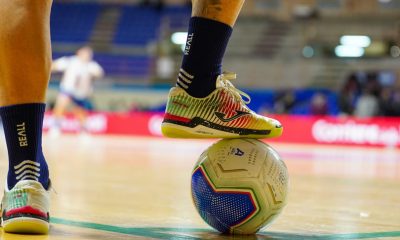
The most effective activities were high-intensity sports involving frequent explosive movements, rapid changes of direction, and turning. Recreational football and handball, for example, were associated with increases of up to 45–46 percent in the levels of substances linked to bone formation. In contrast, walking, step aerobics, and traditional gym-based resistance exercises were generally less effective.
What should you keep in mind?
It is important not to start a high-intensity exercise program suddenly or without proper preparation. This is particularly true for people with cardiovascular, musculoskeletal, or metabolic diseases, as well as those living with osteoporosis. Before beginning a new type of exercise or a more demanding training program, they should consult their treating physician, general practitioner, or a sports medicine specialist to ensure that the activity and its intensity are appropriate for their individual health status.
“The most surprising finding was that resistance training did not produce a significant effect on markers of bone metabolism, even though several professional guidelines recommend this type of exercise for maintaining bone health. Likewise, low- or moderate-intensity endurance exercise, such as walking or jogging, showed no meaningful long-term effect,” explained Viktória Barna, PhD student at Semmelweis University and first author of the study.
This, of course, does not mean that walking or lower-intensity physical activity is without health benefits. However, if the goal is to keep bones strong and healthy for as long as possible, they appear to require a greater mechanical stimulus.
“According to the World Health Organization, regular physical activity offers numerous health benefits. However, our findings suggest that low-intensity exercise alone is not sufficient to stimulate bone metabolism. High-intensity exercise may trigger early beneficial changes in bone formation, potentially helping to slow bone loss and support healthy ageing,” summarized dr. Nóra Sydó, clinical specialist and co-author of the study.
According to the researchers, these findings could contribute to the development of evidence-based exercise programs aimed at maintaining bone health and preventing osteoporosis.

Visiting San Pablo City’s Pho Viet Nam

Four to six servings of wholegrain per day lowers risk factors for heart disease

Structured exercise linked to longer cancer survival and time free of disease

Heading to Pila, Laguna? Check out La Cosina Antonio

Pasalubong shopping in Davao via Aldevinco

The look and feel of your neighborhood may affect your sleep

Workout or nap? Either can help your sleepless brain, study finds

Study links coffee consumption to metabolic health and sex hormones

Manulife Investments Philippines leads UITF rankings across equity and fixed income funds

Scheduling dental care during prenatal visits boosts oral health care during pregnancy
Pasalubong shopping in Davao via Aldevinco
Structured exercise linked to longer cancer survival and time free of disease
Heading to Pila, Laguna? Check out La Cosina Antonio
Four to six servings of wholegrain per day lowers risk factors for heart disease
Visiting San Pablo City’s Pho Viet Nam

-
 Destinations4 weeks ago
Pasalubong shopping in Davao via Aldevinco
-
 Wellness1 week ago
Structured exercise linked to longer cancer survival and time free of disease
-
 Destinations3 weeks ago
Heading to Pila, Laguna? Check out La Cosina Antonio
-
 Nutrition1 week ago
Four to six servings of wholegrain per day lowers risk factors for heart disease
-
 Destinations1 week ago
Visiting San Pablo City’s Pho Viet Nam