


Those who exercised as part of their care were 23% less likely to die and 17% less likely to have a recurrence before death than those...


People who either completed 20 minutes of moderate-to-vigorous exercise or took a 90-minute nap performed about 22 per cent better on memory tests after 30 hours...


Bone formation was stimulated most effectively by activities involving explosive movements, rapid changes of direction, and turning. The findings could help improve exercise programs designed to...


Researchers found that people taking part in exercise programs were 15% more likely to achieve continuous abstinence and 21% more likely to report not smoking over...


Researchers note that improving fitness during midlife may be a key strategy for promoting healthy aging and preserving quality of life later on, even with modest...
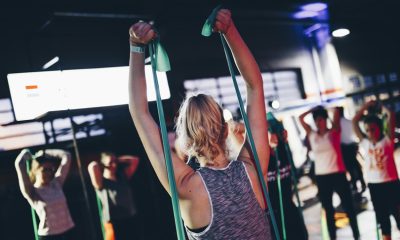

Aerobic training and resistance training independently improve aerobic fitness, walking distance, muscle strength, and HRQoL.


Rgular physical activity, less sedentary time, and appropriate nightly sleep (7–8 h) were associated with a lower subsequent risk of dementia. Regular physical activity was associated...
Depression is a leading cause of ill health and disability, affecting over 280 million people worldwide. Exercise is low-cost, widely available, and comes with additional health benefits, making it an attractive option for...


While supervised and group exercise may be best for reducing depression, shorter (up to 8 weeks) lower intensity exercise may be best for relieving anxiety.


Dance can be beneficial in halting the cognitive decline associated with Parkinson’s disease and, for some participants, they even showed signs of improvement.
