
Nutrition
Fruity fuel for everyday
Help your kiddos stay energized for each school day (including those dreaded homework hours) with nutritious snacks that prioritize hydration.


School days bring excitement for students with classroom fun, exploration of new subjects, time with friends and extracurricular activities like sports and clubs. They also mean hectic schedules for families, especially parents looking to keep nutrition top of mind in spite of jam-packed weeknight calendars.
Help your kiddos stay energized for each school day (including those dreaded homework hours) with nutritious snacks that prioritize hydration. As a satisfying sweet treat thanks to its taste and nutritional value, watermelon provides a year-round solution to rehydrate as part of simple, kid-friendly meals and snacks.
Sweet watermelon, salty cottage cheese and pops of berries make this Watermelon Berry Fruit Salad with Cottage Cheese hard to top after a long day in the classroom. A sprinkle of fresh mint is a perfect final addition to this after-school treat.
Or for an easy, fast, no-mess meal that can be prepared for homework sessions or taken as a lunchbox treat, look no further than Watermelon Kebabs. Just cube watermelon, turkey breast and cheddar cheese and thread on coffee stirrers or beverage straws then share with your loved ones while tackling dinner and prepping for the next day of learning.
Any way you slice it, watermelon is a nutrient-dense food you can feel confident stocking in your kitchen and feeding to your family. It provides 21 grams (8% of the recommended daily value) of natural carbohydrates and is especially energizing when paired with protein like cottage cheese or turkey for a balanced snack.
Plus, with just 80 calories in two cups, it’s a high-volume food that can fill you up at mealtime. Once you’ve enjoyed the delicious watermelon flesh, make sure to avoid waste by using the rind in recipes like stir fries or salads, or encourage little ones to get creative with watermelon rind crafts to let their creativity shine.
Find more school year snacks and meals by visiting Watermelon.org.
Watermelon Berry Fruit Salad with Cottage Cheese
Recipe courtesy of the National Watermelon Promotion Board
Watermelon
1 package raspberries
1 package strawberries
1 package blueberries
1 package blackberries
1 container cottage cheese
1 bunch mint leaves
honey, to taste (optional)
Cut watermelon with star-shaped cookie cutter or into cubes.
In large bowl, mix watermelon with raspberries, strawberries, blueberries and blackberries. Add dollops of cream cheese on top of fruit.
Garnish with mint leaves and drizzle with honey, to taste, if desired, prior to serving.
Watermelon Kebabs
Recipe courtesy of the National Watermelon Promotion Board
Servings: 6
18 seedless watermelon cubes (1/2 inch each)
6 cubes smoked turkey breast
6 cubes cheddar cheese
6 coffee stirrers or beverage straws
Thread cubed watermelon, cubed turkey and cubed cheese on stirrers or straws.






NewsMakers
Get smart about your heart
From regular checkups and reducing stress to eating well – including heart-healthy snacks like grapes – and exercising regularly, these simple steps can help boost your heart health.

A crucial component of overall well-being, heart health can be a barometer for living a long, healthy and happy life. Because heart disease is the leading cause of death in the US, according to the Centers for Disease Control and Prevention, taking steps to reduce your controllable risk factors – including poor diet, stress and inactivity – can set you on the right path.
From regular checkups and reducing stress to eating well – including heart-healthy snacks like grapes – and exercising regularly, these simple steps can help boost your heart health.
Know Your Numbers
Knowing key health metrics such as blood pressure, cholesterol levels, blood sugar levels and body mass index can help you and your health care provider identify potential risks early. Schedule annual checkups and discuss any concerns you may have about your heart health. Early detection and risk factor management can reduce the likelihood of developing heart disease.
Eat More Fruits and Vegetables
Incorporating a variety of colorful fruits and vegetables into your diet can ensure you get a broad range of vitamins, minerals, fiber and antioxidants, all of which contribute to a healthy cardiovascular system. For example, leafy greens like spinach and kale are high in potassium, which helps manage blood pressure. Fresh grapes contain 7% of the daily recommended intake of potassium, are a good source of vitamin K and are also a natural source of beneficial antioxidants and other polyphenols, including flavonoids, that can help relax blood vessels and promote healthy circulation. Some studies also suggest grapes have a beneficial impact on blood lipids and more.
In fact, one study found women who consumed 1 1/4 cups of grapes every day benefited from reduced blood triglyceride levels, LDL cholesterol levels, inflammatory proteins and other markers of heart disease.
Bright, juicy and bursting with flavor, Grapes from California can be enjoyed by the handful or blended with rich bananas, tangy Greek yogurt and a hint of almond in The Great Grape-Acai Smoothie Bowl for a delicious blend of fruity flavors at breakfast, lunch or snack time – it not only tastes great, but supports a healthy heart.
Get Moving
Regular physical activity is one of the most effective ways to improve heart health. Exercise strengthens the heart muscle, improves blood circulation and helps maintain a healthy weight. Aim for at least 150 minutes of moderate-intensity aerobic exercise per week, as recommended by the American Heart Association, such as walking, jogging or swimming with strength training exercises like lifting weights or using resistance bands mixed in to help reduce the risk of heart disease and improve overall cardiovascular health.
Manage Stress
Consider your stress level: chronic stress can negatively impact heart health, increasing blood pressure and other risk factors for heart disease. Techniques such as deep breathing, meditation, yoga and regular physical activity can help manage stress levels and maintain a healthy heart. Additionally, taking time to engage in hobbies, spending time with loved ones and ensuring adequate sleep are stress-reducing activities that improve overall well-being and heart health.
To learn more about the heart-health benefits of grapes, and find additional heart-friendly recipes, visit GrapesFromCalifornia.com.
The Great Grape-Acai Smoothie Bowl
Servings: 1
1/2 cup red Grapes from California, fresh or frozen
1/2 banana
1 frozen acai fruit pack (3 1/2 ounces)
1/2 cup plain, nonfat Greek yogurt
1/4 teaspoon almond extract
Topping:
1/4 cup sliced red Grapes from California
1 tablespoon sliced, toasted almonds
1 tablespoon pepitas
1 teaspoon chia seeds
In small blender, combine grapes, banana, acai, yogurt and almond extract; process until smooth.
Pour into bowl and top with sliced grapes, sliced almonds, pepitas and chia seeds.
Nutritional information per serving: 420 calories; 19 g protein; 63 g carbohydrates; 12 g fat (26% calories from fat); 2.5 g saturated fat (5% calories from saturated fat); 5 mg cholesterol; 45 mg sodium; 8 g fiber.
Nutrition
Eat your greens and skip the sugar spikes
Cruciferous vegetables like broccoli and kale could help with the management of blood sugar levels, particularly for people at risk of type 2 diabetes and cardiovascular disease (CVD).
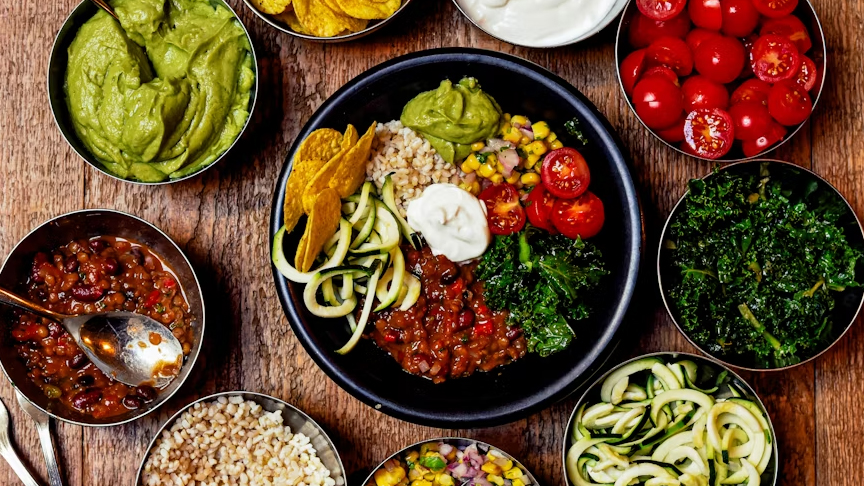
New research by Edith Cowan University (ECU) has found evidence that cruciferous vegetables like broccoli and kale could help with the management of blood sugar levels, particularly for people at risk of type 2 diabetes and cardiovascular disease (CVD).
PhD student Ms Emma Connolly investigated whether cruciferous vegetable intake improved glycaemic control (blood sugar control) compared to root and squash vegetables in non-diabetic adults with elevated blood pressure.
In a randomised, controlled, crossover trial, participants consumed four serves per day of either cruciferous vegetables (broccoli, cabbage, cauliflower, kale) or root and squash vegetables (carrot, potato, pumpkin, sweet potato) with lunch and dinner meals for two weeks.
“Our participants wore glucose monitors throughout the study, so that we were able to measure blood sugar levels continuously throughout each two-week period,” Ms Connolly said.
“We found that, when participants consumed the cruciferous vegetables, they had less variable blood sugar levels compared to when they consumed the root and squash vegetables. We also noted that these participants had a smaller spike in sugar levels after the meals. A central goal of blood sugar control, particularly for people with diabetes, is to smooth out spikes and reduce variability in blood sugar levels throughout the day. Stable blood sugar, with minimal peaks and less fluctuations is associated with better overall health and wellbeing.”
Ms Connolly said further research is essential to fully understand the underlying mechanisms driving these findings, as well as to explore the broader clinical implications.
“Continued investigation will be crucial to determine how these vegetables can be effectively incorporated into dietary recommendations for improved blood sugar regulation and overall health management,” she said.
Poor glycaemic control is estimated to occur in 541 million individuals worldwide. Ms Connolly noted that dysregulated glucose control increases the risk of type 2 diabetes and subsequent CVD and has a substantial societal impact.
The total cost attributed to type 2 diabetes with CVD is projected to exceed AUD$18.7 billion in Australia alone by 2031.
“Less than 1 in 15 Australian adults meet vegetable intake recommendations. Even more concerning is that cruciferous vegetables are among the least consumed vegetables. Adding vegetables like broccoli, kale, bok choy, gai lan, and cabbage to your meals most days could make a big difference to your health,” Dr Lauren Blekkenhorst said.
Nutrition
Protein-packed sweet treats
These days, sticking to your wellness goals doesn’t have to mean missing out on delicious, sweet treats.

Beach vacations, backyard barbecues and long road trips make summer a season of spontaneity. Often cited as memory-making moments, these unplanned adventures can also make it a challenge to stay on track with your health. These days, sticking to your wellness goals doesn’t have to mean missing out on delicious, sweet treats.
When summer throws you off your routine, reach for convenient sources of high-quality protein, like Premier Protein High Protein Shakes. With 30 grams of protein, 160 calories and 1 gram of sugar, you don’t have to choose between summer fun and nutrition. These summer shakes bring joy back to the health journey as easy and delicious grab-and-go solutions, putting a healthier, happier lifestyle within reach. Not to mention the shake’s 24 vitamins and minerals, including vitamins C and E, which help support a healthy immune system as part of a healthy diet and lifestyle.
The fan-favorite shakes are best enjoyed as part of a nourishing breakfast, afternoon snack, post-workout boost or as an ingredient in a protein-packed recipe. There’s something for every taste bud, with more than 12 flavors including fan-favorites Chocolate, Vanilla, Caramel and Cafe Latte. If you’re interested in trying summertime recipes that taste indulgent and pack a protein punch, consider these tasty treats.
When the sun is beating down and the only reprieve is an ice cold refreshment, let this twist on frosted lemonade be your escape from the heat. With fruity flavor and added protein, Frosted Peach Lemonade allows you to travel to a tropical island from the comfort of home.
From hot days to cool nights, Premier Protein delivers the perfect solution for the classic bonfire indulgence with Protein Marshmallow S’mores. Your new summer classic, this unexpected s’more hack lets you embrace a sticky treat without sacrificing your nutritional goals.
With nutrition that works for you, delicious recipes and nutrition tools help make the ride smoother and more enjoyable as a fun reminder the health journey doesn’t have to be daunting. With easy-to-understand nutritionals, Premier Protein High Protein Shakes deliver tasty fuel for whatever comes next, giving you the confidence to reach your goals and be the best version of yourself without missing summer’s special moments.
To find more information and protein-packed recipes that’ll help keep your summer health goals on track, visit PremierProtein.com.
Frosted Peach Lemonade
2 scoops Premier Protein Vanilla Milkshake 100% Whey Protein Powder
1 cup lemonade
1 cup frozen peach slices
In blender, blend protein powder, lemonade and frozen peach slices until smooth.
Protein Marshmallow S’mores
2 cups Premier Protein Vanilla High Protein Shake
5 tablespoons gelatin
3 scoops Premier Protein Vanilla Milkshake 100% Whey Protein Powder
3 graham crackers
3 chocolate bars
Add protein shake to small saucepan and layer gelatin on top. Let set 5-10 minutes (gelatin will start to “bloom”).
Over low heat, whisk mixture periodically until consistency thins.
Pour into mixing bowl and allow to cool 5-10 minutes until mixture is warm, not hot.
Add protein powder; whisk 10-20 minutes, or until light and fluffy. Mixture should not break and fall immediately when whisk is lifted.
Pour mixture into lined pan and allow to set in refrigerator.
Slice and serve alone or with graham crackers and chocolate bars.

Taste of Thai in Tanay, Rizal

A taste of Bicol via Small Talk Café

Headed to Boracay? Here are quick tips for DIY travelers

Checking history and culinary delights in Camiña Balay nga Bato in Iloilo

Gum disease may be linked to plaque buildup in arteries, higher risk of major CVD events

Curious about the ‘best siopao in Iloilo City’? We tried Roberto’s

Night waking impacts cognitive performance regardless of sleep duration

Trying Iloilo City’s original batchoy

Bypass surgery may offer greater long-term benefits compared with stents for women

MIT study: High-fat diets make liver cells more likely to become cancerous
Night waking impacts cognitive performance regardless of sleep duration
Curious about the ‘best siopao in Iloilo City’? We tried Roberto’s
MIT study: High-fat diets make liver cells more likely to become cancerous
Trying Iloilo City’s original batchoy

5 Tips for booking flights amid ongoing delays and cancellations

Fruity fuel for everyday

Tips to avoid kitchen injuries

Get smart about your heart
Bypass surgery may offer greater long-term benefits compared with stents for women

Emergency physicians offer tips to be, and stay safe

-
 NewsMakers4 weeks ago
Night waking impacts cognitive performance regardless of sleep duration
-
 Destinations3 weeks ago
Curious about the ‘best siopao in Iloilo City’? We tried Roberto’s
-
 NewsMakers4 weeks ago
MIT study: High-fat diets make liver cells more likely to become cancerous
-
 Destinations4 weeks ago
Trying Iloilo City’s original batchoy
-
 Destinations4 weeks ago
5 Tips for booking flights amid ongoing delays and cancellations
-
 Home Care4 weeks ago
Tips to avoid kitchen injuries
-
 NewsMakers4 weeks ago
Get smart about your heart
-
 NewsMakers4 weeks ago
Bypass surgery may offer greater long-term benefits compared with stents for women