
Fitness
Aerobic exercise and heart-healthy diet may slow development of memory problems
The results of the research team’s study showed that exercise improved the participants’ ability to think, remember, and make decisions compared to non-exercisers.

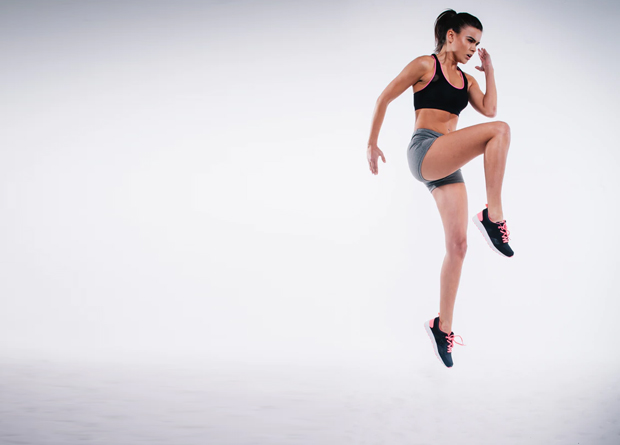
Cognitive impairment without dementia (CIND), or mild cognitive impairment, is a condition that affects your memory and may put you at risk for Alzheimer’s disease and dementia. According to the US National Library for Medicine, signs of mild cognitive impairment may include frequently losing things, forgetting to go to events and appointments, and having more trouble coming up with words than other people of your age.
Some experts believe that risk factors for heart disease also are risk factors for dementia and late-life cognitive decline and dementia. Recently, researchers examined two potential ways to slow the development of CIND based on what we know about preventing heart disease. They published the results of their study in the Journal of the American Geriatrics Society.
The research team had a theory: That the healthy lifestyle behaviors that slow the development of heart disease could reduce heart disease risk and also slow cognitive decline in older adults with CIND. These behaviors include regular exercise and a heart-healthy diet, such as the DASH (Dietary Approaches to Stop Hypertension) diet.
In order to investigate their theory, the researchers designed a study titled “Exercise and NutritionaL Interventions for coGnitive and Cardiovascular HealTh EnhaNcement” (or ENLIGHTEN for short). The goal of the study was to examine the effects of aerobic exercise (sometimes known as “cardio” or “cardiovascular” exercise because it involves activities that increase the circulation of oxygen through the blood) and the DASH diet on cognitive functioning in older adults with CIND.
The ENLIGHTEN study examined 160 adults 55-years-old or older. The study participants were older adults who didn’t exercise and had memory problems, difficulty thinking, and making decisions. They also had at least one additional risk factor for heart disease, such as high blood pressure (also known as hypertension), high cholesterol, diabetes, or other chronic conditions.
Participants took a number of tests to measure their heart disease risk factors and cognitive ability. Researchers also assessed participants’ dietary habits and ability to perform daily activities. The participants were then randomly assigned to one of four groups: a group doing aerobic exercise alone, a group following the DASH diet alone, a group doing aerobic exercise and following the DASH diet combined, or a group receiving standard health education.
People in the exercise group did 35 minutes of moderate intensity aerobic exercise (including walking or stationary biking) three times per week for six months. They were supervised for three months and then exercised unsupervised at home for three months. Participants in the exercise group did not receive any counseling in the DASH diet and were encouraged to follow their usual diets for six months.
People in the DASH eating plan group received instruction about how to meet DASH guidelines in a series of weekly sessions for three months and then bi-weekly for the remaining three months. Participants in the DASH group were asked not to engage in regular exercise until the completion of the six-month study.
People in the exercise and DASH group followed the exercise and DASH programs for six months. The participants who were enrolled in the health education group received weekly educational phone calls for three months and then bi-weekly calls for three months. Phone calls were conducted by a health educator on health topics related to heart disease. Participants were asked to maintain their usual dietary and exercise habits for six months until they were re-evaluated.
At the conclusion of the six-month intervention and assessment, participants were free to engage in whatever activity and dietary habits they desired, with no restrictions.
The results of the research team’s study showed that exercise improved the participants’ ability to think, remember, and make decisions compared to non-exercisers, and that combining exercise with the DASH diet improved the ability to think, remember, and make decisions, compared to people who didn’t exercise or follow the diet–even though they didn’t perfectly follow the programs they were assigned to during the six-month interventions.
The researchers concluded that their findings are promising proof that improved ability to think, remember, and make decisions can last one year after completing a six-month exercise intervention. They suggested that further studies would be needed to learn more.
This summary is from “Longer Term Effects of Diet and Exercise on Neurocognition: One Year Follow-Up of the ENLIGHTEN Trial.” It appears online ahead of print in the Journal of the American Geriatrics Society. The study authors are: James A. Blumenthal, PhD; Patrick J. Smith, PhD; Stephanie Mabe, MS; Alan Hinderliter, MD; Kathleen Welsh-Bohmer, PhD; Jeffrey N. Browndyke, PhD; P. Murali Doraiswamy, MBBS, FRCP; Pao-Hwa Lin, PhD; William E. Kraus, MD; James R. Burke, MD; and Andrew Sherwood, PhD.




Fitness
Treatment options to help overcome knee pain for sports enthusiasts
“Sports-related pain should be evaluated quickly, especially when it’s difficult to put weight on the knee, swelling occurs or there is restricted range of motion,” said Dr. Alexander Meininger, orthopedic surgeon and MACI consultant.


Millions of people experience chronic pain, with knee pain among the most common. Athletes and active adults know the impact activities like running and skiing can have on their knees, but when chronic knee pain makes it difficult to do those activities, or even day-to-day tasks like walking up the stairs, people may often face challenges.
According to the journal “Cartilage,” unlike other tissues, cartilage does not repair itself and, without proper treatment, can worsen over time and become more difficult to treat. However, options like FDA-approved knee cartilage repair surgery MACI (autologous cultured chondrocytes on porcine collagen membrane) uses a patient’s cells to help repair cartilage defects and may help alleviate knee pain.
“Sports-related pain should be evaluated quickly, especially when it’s difficult to put weight on the knee, swelling occurs or there is restricted range of motion,” said Dr. Alexander Meininger, orthopedic surgeon and MACI consultant.
Justin Keys, a former patient of Meininger and avid skier, knows that the long-term outcomes of knee cartilage surgery can be worth the short-term sacrifices. After several injuries, including an ACL injury, Keys struggled with most activities except walking on flat, paved surfaces. After consulting with Meininger, Keys chose knee cartilage repair to help get back to his active lifestyle.
Keys considered whether to manage the injury as-is or choose MACI and undergo rehabilitation to potentially get back to his favorite activities in the future. He knew he could no longer use short-term relief methods and had to address his pain with a treatment to help provide lasting relief.
For athletes like Keys who want to fix knee pain, it’s important to consider these steps:
Discuss Options with Your Doctor
Patients should talk to their doctors and undergo an MRI to help assess the internal structures of the knee. Meininger recommends patients and their doctors discuss options for long-term knee restoration health, preserving function for future decades and recognizing the short-term sacrifice.
Set Yourself Up for Success
Experts like Meininger suggest patients take steps ahead of surgery to help their recovery.
“The important thing is to be as fit as possible and use the preseason months to undergo surgery and rehab,” Meininger said.
Patients can take steps to prep their home for recovery, which may include:
- Bringing necessities down from hard-to-reach shelves
- Moving furniture to ensure clear pathways
- Installing shower safety handles to minimize potential falls
The Road to Rehab and Recovery
Rehabilitation takes time and everyone’s experience is unique. It can be as much of a mental challenge as it is physical. Committing to a physical therapy regime, staying hydrated and eating well are important aspects to support recovery. Patients should talk to their doctors with questions and before starting any exercises.
IMPORTANT SAFETY INFORMATION
Do not use if you are allergic to antibiotics such as gentamicin or materials from cow or pig; have severe osteoarthritis of the knee, other severe inflammatory conditions, infections or inflammation in the bone joint and other surrounding tissue or blood clotting conditions; had knee surgery in the past 6 months, not including surgery for obtaining a cartilage biopsy or a surgical procedure to prepare your knee for a MACI implant; or cannot follow a rehabilitation program post-surgery.
Fitness
6 Exercise safety tips
Now, as social restrictions ease, you may find yourself stepping up your workouts, whether you’re training for an event or working to improve your game in a recreational league.

In the wake of the COVID-19 pandemic, many Americans are more aware of their health and wellness. Now, as social restrictions ease, you may find yourself stepping up your workouts, whether you’re training for an event or working to improve your game in a recreational league.
Sprains, strains and injuries can happen to even the most seasoned athletes. When you’re testing your limits, even a minor injury can alter your performance. Consider products and supports like these from the CURAD Performance Series product line, available at Walmart and Amazon, to help you get back in the game quickly and safely.
Find more resources to support your fitness journey at CURAD.com.
Keep Dirt and Germs Away
The more active you are, the harder it can be to find a bandage that stays with you all day or all game long.
Spray Away Sore Spots
Controlling mild pain can help keep you at the top of your game, and a topical analgesic works fast to heal common pain brought on by fitness and exercise, such as pain in knees, feet, shoulders and backs.
Put Pain in the Past
When recovery becomes the name of the game and pain relief is needed after daily workouts or bodily injuries. Cold packs work to heal bruises, reduce swelling and relieve headaches and general pain points while microwavable heat packs provide satisfying heat therapy to address sore and stiff joints, muscle cramps and tension.
Reduce Impact of Knee Strain
Weak, injured or arthritic knees can come from many sources, including tendonitis and a wide range of conditions that result in strain or overuse. An adjustable band can provide support for on-field sports and during workouts or everyday activities.
Manage Pain and Relieve Pressure
If you participate in endurance and strength exercises or certain sports, you may ask a lot of your joints. Kinesiology tape can be configured a multitude of ways to help reduce pain and improve blood circulation, as well as relieve tension and pressure.
Control Back Strain
When your back is strained, your body and performance can suffer. A mild or moderate sprain can benefit from strong support and compression.
Fitness
Exercise can provide relief for dry, itchy eyes
A significant increase in tear secretion and tear film stability after participating in aerobic exercise can be another remedy for relieving dry, itchy eyes.

A team led by researchers from the University of Waterloo discovered that a significant increase in tear secretion and tear film stability after participating in aerobic exercise can be another remedy for relieving dry, itchy eyes.
Every time we blink, our eyes are covered in tear film—an essential protective coating necessary for maintaining healthy ocular function. Healthy tear film comprises three layers–oil, water, and mucin–that work together to hydrate the ocular surface and protect against infection-causing irritants like dust or dirt.
When any part of the tear film becomes unstable, the ocular surface can develop dry spots, causing eye symptoms like itchiness or stinging and burning sensations.
“With so much of our activity tied to screen usage, dry eye symptoms are becoming increasingly common,” said Heinz Otchere, a PhD candidate in vision science at Waterloo. “Instead of having to use eye drops or other alternative treatments, our study aimed to determine if remaining physically active can be an effective preventative measure against dryness.”
Fifty-two participants were divided into two groups—athlete and non-athlete—to participate in an exercise session. Participants in the athlete group exercised at least five times per week, while non-athlete participants exercised no more than once per week. Researchers, which included experts from the University of Cape Coast in Ghana, performed visual examinations before and five minutes after each exercise session, where tear secretion and tear break-up time were assessed.
While participants in the athlete group showed the largest increase, Otchere says all participants experienced a meaningful boost in tear quantity and tear film stability after the exercise session.
“It can be challenging for people to regularly exercise when the demand is there to work increasingly longer hours in front of screens,” Otchere said. “However, our findings show physical activity can be really important for not just our overall well-being, but for our ocular health too.”
The study, Differential effect of maximal incremental treadmill exercise on tear secretion and tear film stability in athletes and non-athletes, was co-authored by Otchere, the University of Cape Coast’s Samuel Abokyi, Sekyere Nyamaah, and Michael Ntodie, and Ghana’s Our Lady of Grace Hospital’s Yaw Osei Akoto. It was recently published in the Experimental Eye Research journal.

Common drug class may increase risk of heart disease

Mindfulness practices found to significantly reduce depression symptoms, especially for those with early-life adversity

Exercise to treat depression yields similar results to therapy

Aerobic exercise may be most effective for relieving depression/anxiety symptoms

High-fiber diet linked to reduced risk of heart disease in night shift workers

Two types of underconfidence linked to anxiety and gender

Checking the charm of Baguio City’s Café by the Ruins

Sleeping in on weekends may help boost teens’ mental health

Breastfeeding may lower mums’ later life depression/anxiety risks for up to 10 years after pregnancy

Creativity feels great — until tomorrow
Creativity feels great — until tomorrow
High-fiber diet linked to reduced risk of heart disease in night shift workers
Sleeping in on weekends may help boost teens’ mental health
Exercise to treat depression yields similar results to therapy
Checking the charm of Baguio City’s Café by the Ruins
Two types of underconfidence linked to anxiety and gender
Aerobic exercise may be most effective for relieving depression/anxiety symptoms
Mindfulness practices found to significantly reduce depression symptoms, especially for those with early-life adversity
Breastfeeding may lower mums’ later life depression/anxiety risks for up to 10 years after pregnancy
Common drug class may increase risk of heart disease

-
 NewsMakers3 weeks ago
Creativity feels great — until tomorrow
-
 NewsMakers3 weeks ago
High-fiber diet linked to reduced risk of heart disease in night shift workers
-
 NewsMakers3 weeks ago
Sleeping in on weekends may help boost teens’ mental health
-
 Wellness3 weeks ago
Exercise to treat depression yields similar results to therapy
-
 Destinations3 weeks ago
Checking the charm of Baguio City’s Café by the Ruins
-
 NewsMakers3 weeks ago
Two types of underconfidence linked to anxiety and gender
-
 Wellness3 weeks ago
Aerobic exercise may be most effective for relieving depression/anxiety symptoms
-
 NewsMakers2 weeks ago
Mindfulness practices found to significantly reduce depression symptoms, especially for those with early-life adversity