
Product Showcase
Most vital piece of functional fitness equipment found under foot
The inclusion of functional training into a healthy lifestyle does not stop when traveling for business or pleasure, and may influence a traveler’s hospitality selection.


By Bo Barber
VP of Marketing and Sales, Ecore
Today’s health-conscious consumers on the cutting-edge of fitness are realizing the limitations of stationary strength and cardio machines, and are opting instead to focus on functional strength and conditioning exercises such as high-intensity interval training. This evolution in fitness was documented in the American College of Sports Medicine’s worldwide survey of fitness trends for 2016, which ranked high-intensity interval training as the no. 1 choice by consumers who now want more open spaces to exercise to boost long-term wellness.
The inclusion of functional training into a healthy lifestyle does not stop when traveling for business or pleasure, and may influence a traveler’s hospitality selection. To appeal to the modern consumer and stand out from competition, many in the hospitality industry are offering a customizable approach to staying fit while away from home that includes a full-scale gym and wellness center to support functional fitness activities such as jumping, sprinting, throwing and crawling.
To ensure these facilities meet the high expectations of today’s fitness enthusiasts, contract architects and specifiers are opting for flooring that positively influences safety, ergonomics and acoustics to provide users with force reduction and energy restitution throughout each workout.
How Flooring Impacts Functional Fitness
During functional training, people use their bodies and weights to perform exercises, making the surface underneath their feet more critical than ever before. In response to the functional training trend, fitness centers nationwide are removing some of the standard equipment and adding open space and more supportive flooring for interval training.
Hilton Hotels is taking the functional fitness trend one step further by offering open space with athletic flooring in individual hotel rooms. The Hilton Five Feet to Fitness project offers fitness-minded guests with a functional fitness nook in their rooms, equipped with Ecore ergonomic flooring, functional training equipment and a video kiosk with a library of guided exercises. The specially-designed flooring keeps guest workouts quiet and non-disruptive to neighboring rooms while providing support underfoot for a variety of fitness activities.
Unlike traditional fitness center flooring, functional training flooring has a direct impact on the performance of the athlete, providing stability and support to protect from injury. Functional fitness flooring must withstand heavy weight drops, ropes, medicine ball slams and repeated jumping, all while providing a comfortable, ergonomically sound and quiet environment. Architects and designers should keep in mind these three important factors when specifying a functional fitness facility:
Safety
Athletes of all levels – weekend warriors to Olympic champions – train to improve their abilities and reach new achievements. With each push toward greatness, athletes put their bodies at risk of injury that could set back their efforts temporarily or permanently. Thus, measures are taken to protect athletes’ bodies to ensure they are able to perform at peak levels – including proper nutrition, adequate sleep and high-quality equipment. Flooring is a key piece of equipment for athletes, playing a role in nearly every activity from start to finish. To keep safety a priority, fitness facilities should invest in surfaces that mitigate injury, protect the body and promote ultimate and healthy performance.
Ergonomics
Once the athlete’s body is protected, the focus turns to enhancing and improving performance. Functional fitness calls for intense activities to be performed in different frequencies and directions over and over. No matter the intensity, the repetitive motion, swift movement and constant impact takes a toll on the body and the quality of the workout. Ergonomic flooring helps diminish fatigue, minimize discomfort and enable athletes to perform at their highest levels longer and more efficiently. The right flooring enhances longevity of athletes by absorbing force and providing a return of energy through innovative engineering and design.
Acoustics
While acoustics may not be the first thing that comes to mind when brainstorming a state-of-the-art workout facility, it has a surprisingly significant impact on the overall fitness experience. A room full of athletes performing various activities involving fast movements and heavy weights can become a noisy mess fast. Using a flooring surface that absorbs energy, vibrations and sound can greatly reduce the ambient noise and create a more pleasant experience for the user and those around this space, while also greatly increasing the longevity of the flooring and fitness equipment.
Additional Flooring Selection Considerations
There are many different flooring materials to choose from when designing a fitness facility – some offering more benefits than others. While the flooring should be selected to meet the needs of the fitness center user first and foremost, the durability and sustainability of the product should play a role in decision making as well.
The use of environmentally-conscious and sustainable materials – such as tire scrap, recycled rubber, bamboo and cork – renders high-quality products for modern flooring demands without leaving a detrimental carbon footprint on the environment. Ecore’s Performance Collection, for example, features a durable top layer made of sustainable materials that is slip resistant when wet or dry, as well as fade resistant to hold up against the toughest workouts. The base layers provide significant sound and force reduction while delivering energy restitution, enabling the materials to last longer without additional repairs. These types of materials, when utilized properly, often exceed customer expectations in performance and durability, while greatly reducing maintenance costs over time.
Modern athletes are looking for fitness equipment and accessories that not only accommodate their physical activities, but work equally hard to enhance performance and safety. Likewise, fitness center managers want to protect and support their members by investing in innovative equipment that will withstand heavy demands. Building up fitness and reaching new physical limits starts with the right foundation: quiet, safe, resilient, ergonomic flooring designed specifically to meet the needs of athletes and fitness centers.
Bo Barber is the Vice President of marketing and sales for Ecore, a company that transforms reclaimed materials into performance surfaces that make people’s lives better. Ecore’s products align substantial force reduction with a balanced amount of energy return to create surfaces to meet virtually every commercial flooring application need.


Product Showcase
Manulife broadens financial literacy, clean water programs in PH
The latest initiatives include the expansion of Peso Smart, Manulife Philippines’ flagship financial literacy program for public school students, and the launch of MGS’ three-year partnership with Waves for Water Philippines, which aims to improve access to clean water, sanitation, and hygiene in underserved communities.


Manulife Philippines, the local arm of leading international financial services firm Manulife, and Manulife Global Solutions (MGS), the company’s global solutions hub serving customers and colleagues across international markets, are advancing their commitment to supporting financial resilience and prioritizing health and well-being through expanded community investment initiatives focused on financial literacy and access to safe water.
The latest initiatives include the expansion of Peso Smart, Manulife Philippines’ flagship financial literacy program for public school students, and the launch of MGS’ three-year partnership with Waves for Water Philippines, which aims to improve access to clean water, sanitation, and hygiene in underserved communities.
Supporting financial resilience at an early age with Manulife Peso Smart
For School Year 2026-2027, Peso Smart has expanded to 26 public schools nationwide, broadening the program’s reach with a target of educating 2,700 learners within the school communities. Designed to help Filipinos build practical money management skills, the program introduces concepts such as budgeting, saving, responsible spending, and goal setting through engaging and age-appropriate learning activities.
“Financial resilience is one of the foundations of a longer and more secure life,” said Rahul Hora, President and Chief Executive Officer, Manulife Philippines. “Through Peso Smart, we’re helping young Filipinos build the knowledge, confidence, and habits to make informed financial decisions early. As we expand to more public schools and farm schools in Negros Occidental, bringing practical life skills to more learners in ways that can shape their opportunities and well-being for years to come.”
Beginning August 2026, Peso Smart was also introduced in three farm schools in Negros Occidental through a partnership among Manulife Philippines, the Schools Division Office of Negros Occidental, and the Corazon Sanchez Atayde Memorial Foundation (CSAMF). The pilot schools are Cansilayan Farm School in Murcia, Manghanoy Farm School in La Castellana, and Eva J. Montilla Farm School in Cauayan, extending the program’s reach to learners in agricultural communities and helping make financial education more accessible to diverse student populations.
Building on the program’s growing momentum, Manulife Philippines used this year’s launch to recognize its top-performing Peso Smart schools from School Year 2025-2026: Ilugin Elementary School in Pasig City, Guadalupe Elementary School in Cebu City, and Cabantian Elementary School in Davao City—each awarded with laptop computers for advancing financial literacy among students and teachers.
Prioritizing health and well-being with access to clean water and sanitation
MGS’ (formerly known as Manulife Business Processing Services), newly launched partnership with Waves for Water Philippines kicked off in July through a series of community activities in Barangays San Rafael in Rodriguez, Rizal, Maly in San Mateo, Rizal, and Bankal in Lapu-Lapu City, Cebu.
The partnership launches a three-year Water, Sanitation, and Hygiene (WaSH) program to improve access to safe water and promote healthier living in vulnerable communities. Over three years, Manulife and Waves for Water Philippines aim to deliver at least 450 water filtration kits, six rainwater catchment facilities, 26 water-efficient toilets with septic tanks, 60 standalone handwashing stations, along with hygiene promotion, river rehabilitation, and environmental stewardship initiatives—collectively benefiting more than 20,000 Filipinos.
“Good health starts with access to life’s essentials, and clean water is among the most fundamental,” said Mark Woolfrey, Head of Global Shared Services, Manulife Global Solutions. “Through our partnership with Waves for Water Philippines, we’re helping communities address critical water challenges while supporting healthier and more resilient futures. This collaboration reflects Manulife’s commitment to advancing health and wellbeing through practical, community-based solutions that create lasting impact.”
The program’s initial phase has delivered 184 water filtration kits and three rainwater catchment facilities to more than 1,400 households—including the Dumagat indigenous community in Rizal, families in Cebu, and those relying on improvised water systems in vulnerable areas.
The launch events also gave communities practical training to support long-term use of the systems. Beneficiaries joined sanitation and hygiene orientations, filtration demonstrations, and hands-on assembly with Manulife colleague-volunteers, learning how to operate and maintain the systems while reinforcing the importance of safe water.
Patrick Manuel, Country Director, Waves for Water Philippines shared: “Manulife has been an invaluable partner in helping us push Waves for Water’s mission forward. Our work also aligns closely with Manulife’s vision of longevity: helping people live longer, healthier, and more financially secure lives.”
The initiatives support the objectives of the Manulife Longevity Institute, which brings together research, thought leadership, innovation, advocacy, and community partnerships, to drive action to help people live longer, healthier, and more financially secure lives.
Product Showcase
Manulife Investments Philippines leads UITF rankings across equity and fixed income funds
Manulife Investments Philippines delivered its strongest showing in the equity feeder fund category, where three of its funds secured the top three spots based on year-to-date returns:
Manulife Investment Management and Trust Corporation (Manulife Investments Philippines), the local asset management arm of leading international financial services provider Manulife, topped the latest Philippine unit investment trust fund (UITF) rankings across growth-oriented equity and equity feeder funds and steadier fixed income funds for the period January 1 to June 30, 2026.
Manulife Investments Philippines delivered its strongest showing in the equity feeder fund category, where three of its funds secured the top three spots based on year-to-date returns:
- Introduced in November 2025, Manulife Global Semiconductor Opportunities Equity Feeder Fund delivered a 105.71% return, investing in leading semiconductor companies that power artificial intelligence, data centers, and everyday devices.
- Manulife Global Clean Energy Equity Feeder Fund posted a 40.67% return, investing across renewable power, electric vehicles, and the technology and infrastructure supporting the clean energy transition. This fund ranked no. 5 in the second half of 2025 with 20.53% year-to-date returns.
- Manulife Global Technology Equity Feeder Fund recorded a 37.06% return, investing in diverse technology subsectors positioned to benefit from the continued growth and everyday use of technology. This fund ranked no. 12 in the second half of 2025 with 15.49% year-to-date returns.
The results underscore the strength of Manulife’s globally diversified, theme-based investment approach, with funds focused on long-term structural trends such as artificial intelligence, clean energy, and technology adoption.
Manulife Investments Philippines also led the equity fund category. Manulife Asia Best Select Equity Fund secured the top spot, with its PHP Unhedged Class A ranking second with a 37.31% return.
Manulife’s strong performance extended to fixed income. In the fixed income feeder fund category, which is designed for investors seeking steadier returns and lower risk, the Manulife Asia Short Duration Bond Feeder Fund took the top spot, with two more Manulife funds also ranking among the category leaders.
These categories serve different investor needs. Equity funds, such as Manulife’s Global Semiconductor, Global Clean Energy, Global Technology and Asia Best Select, provide access to fast-moving global sectors with higher growth potential. Fixed income funds are designed for investors who prefer greater stability and a smoother investment journey. Together, these funds give Filipinos more choices aligned with their goals, risk appetite, and investment horizon.
“Investing is not one-size fits all. Some investors seek long-term growth, while others prioritize income or stability.That is why we offer a diverse range of UITFs designed to help investors pursue their financial goals based on their unique objectives and risk preferences. As Filipinos live longer, disciplined investing becomes even more important. According to the United Nations World Population Prospects, life expectancy at birth in the Philippines is projected to rise to around 73 years by 2050, making long-term financial planning and investing essential for building lasting financial security,” said Aira Gaspar, President and Chief Executive Officer, Manulife Investments Philippines.
Gaspar added, “Through our UITFs, investors gain convenient access to powerful long-term themes shaping the future, includingartificial intelligence, technology, and clean energy. These strong results reflect the strength of our research-driven investment approach, global investment capabilities, and local market expertise, helping investors navigate changing markets with confidence and achieve better financial outcomes.”
These funds are part of Manulife’s growing suite of UITFs, designed to match different goals and levels of risk tolerance. Investors can open an account online through Manulife iFUNDS, a secure digital platform for managing UITF investments.
For more information, contact a Manulife Wealth Specialist or visit manulife.com/ph.
NewsMakers
Filipinos prioritize independence as legacy for longer lives
Independence and financial freedom are viewed as the inheritance they want to leave their families, according to 88% of respondents. It rises to 95% among Filipinos aged 25 to 34, highlighting a growing shift toward self-sufficiency and long-term financial planning.


Filipinos are shifting how they view legacy, prioritizing independence, financial freedom, and self-reliance as they plan for longer lifespans.
This is according to the Manulife Asia Care Survey 2026: Independence as the New Legacy, which gathered insights from more than 9,000 respondents across Asia, including 1,000 in the Philippines. The study explores shifting attitudes toward longevity, health, caregiving, retirement preparedness, and overall financial well-being.
It was found out in the survey that independence and financial freedom are viewed as the inheritance they want to leave their families, according to 88% of respondents. It rises to 95% among Filipinos aged 25 to 34, highlighting a growing shift toward self-sufficiency and long-term financial planning.
It was also revealed in the survey that Filipinos are increasingly associating independence with maintaining good health to avoid becoming a burden to loved ones, and having access to quality healthcare. Fifty six percent of those who prioritize independence as a legacy cited health and quality of life as their key concerns, while 53% identified unexpected expenses later in life as a major challenge.
To stay independent as you age, you need good physical and mental health, as 92% of respondents agree that preventive care and self-care habits can help extend years of self-reliance. Popular wellness practices include spending time with family and friends (52%), maintaining a balanced diet (50%), and exercising regularly (48%). However, fewer Filipinos are taking proactive steps such as preventive health screenings (26%) or building social networks to combat isolation (29%).
Pressures faced by the country’s “sandwich generation,” or individuals supporting both parents and children, were also highlighted in the survey results. Sixty seven percent of respondents provide care to a family member, averaging 32 hours per week, while 68% offer financial support to relatives, allocating nearly half of their monthly income to these responsibilities.
These caregiving and financial commitments are affecting long-term planning. Among respondents, 74% said family obligations hinder their ability to build self-reliance, while 71% reported delaying their own medical care due to caregiving and financial pressures.
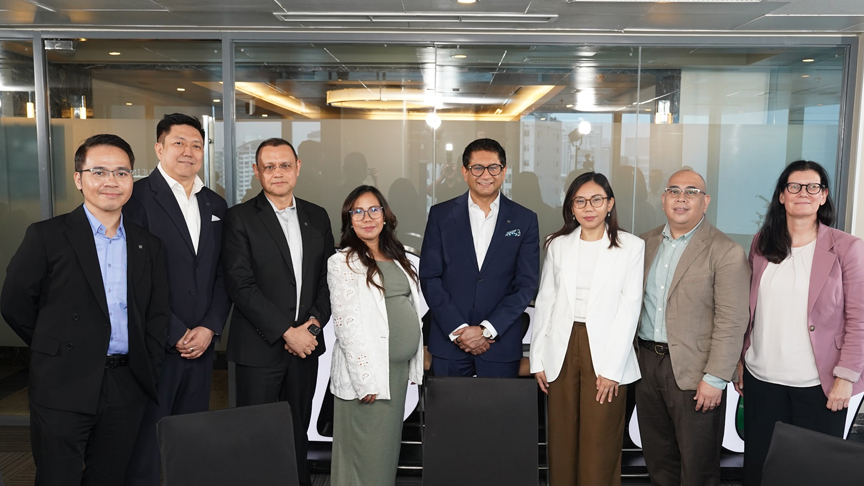
With increasing spending remains a concern, 82% of Filipinos are worried about the cost of future care, significantly higher than the regional average of 66%. It was estimated that respondents would need approximately PhP34,485 per month to cover future care-related expenses. Most plan to rely on personal savings (87%) and investments (59%), while only 21% expect financial support from their children.
The survey relayed that Fiipinos are becoming more proactive in preparing for longevity, with many planning to shift toward income-generating investments, diversify their portfolios, and seek professional financial advice to strengthen retirement readiness and long-term financial security.

Checking Aling Lucing, where sisig was invented

Satisfying you craving for unli chicken in Pasig City

Stress more strongly linked to poorer quality of life among adults with multiple chronic conditions

Neighborhood ties and social connections are linked to high recycling participation

Going to the park at least once a week can improve children’s mental health

A longevity diet is not just about eating less—it is what, when, and for whom

Dance training influences how the brain processes facial emotions

Study reveals how gut antibodies protect against colon cancer

Jolting awake often is associated with poorer sleep and higher anxiety, survey finds

Curiosity and fearlessness apparent in German Shepherd genes

Dogs and owners disturb each other in the night, but still get pretty good sleep

Can pistachios support sleep? Here’s what a new scientific review found

For weight loss, where food comes from may matter as much as how it is processed
Curiosity and fearlessness apparent in German Shepherd genes

Mindfulness and self-compassion can alleviate premenstrual symptoms

Music can enhance the flavor of your food

Epigenetic clocks reveal why larger dogs age faster
Study reveals how gut antibodies protect against colon cancer
Stress more strongly linked to poorer quality of life among adults with multiple chronic conditions
A longevity diet is not just about eating less—it is what, when, and for whom

-
 Pet Care4 weeks ago
Dogs and owners disturb each other in the night, but still get pretty good sleep
-
 Nutrition4 weeks ago
Can pistachios support sleep? Here’s what a new scientific review found
-
 NewsMakers4 weeks ago
For weight loss, where food comes from may matter as much as how it is processed
-
 Pet Care1 week ago
Curiosity and fearlessness apparent in German Shepherd genes
-
 NewsMakers4 weeks ago
Mindfulness and self-compassion can alleviate premenstrual symptoms
-
 NewsMakers4 weeks ago
Music can enhance the flavor of your food
-
 Pet Care4 weeks ago
Epigenetic clocks reveal why larger dogs age faster
-
 NewsMakers1 week ago
Study reveals how gut antibodies protect against colon cancer