
Nutrition
Go whole grain for a healthy heart
One way to level up the nutritional value of your meals is to better understand whole grains and why they are important for a heart-healthy diet.


Eating healthy is a priority for many people but knowing where to start and with what foods may be a little trickier. One way to level up the nutritional value of your meals is to better understand whole grains and why they are important for a heart-healthy diet.
As a key feature of heart-healthy diets, whole grains like sorghum, oatmeal and brown rice are rich sources of dietary fiber, may improve blood cholesterol levels and provide nutrients that help the body form new cells, regulate the thyroid and maintain a healthy immune system.
However, according to a survey by The Harris Poll on behalf of the American Heart Association, U.S. adults are least knowledgeable about refined vs. whole grains compared to other foods like fruits, vegetables and proteins. Also, when asked to identify whole grains and refined grains, most adults incorrectly believe multi-grain bread is a whole grain and only 17% believe sorghum is an example of a whole grain when it is, in fact, a nutritious whole-grain option.
If you’re looking to try more whole grains, sorghum is a primary ingredient in these heart-healthy recipes for Pancakes with Blueberry Vanilla Sauce, Raspberry Streusel Muffins and Garden Vegetable Stir-Fried Sorghum. These flavorful dishes can be part of an overall healthy diet as recommended by the American Heart Association’s Healthy for Good initiative, supported by the Sorghum Checkoff.
Find more heart-healthy meal ideas at Heart.org/healthyforgood.
Raspberry Streusel Muffins
Recipe courtesy of the American Heart Association and Sorghum Checkoff
Servings: 12 (1 muffin per serving)
Muffins:
Nonstick cooking spray
1 1/2 cups whole grain sorghum flour
1 teaspoon ground cinnamon
3/4 teaspoon baking soda
3/4 cup low-fat buttermilk
1/3 cup firmly packed light brown sugar
3 large egg whites
1/4 cup canola or corn oil
2 teaspoons grated lemon zest
1 teaspoon vanilla extract
1 cup fresh or frozen unsweetened raspberries, thawed if frozen
Streusel:
2 tablespoons whole grain sorghum flour
2 tablespoons light brown sugar
2 tablespoons uncooked quick-cooking rolled oats
2 tablespoons chopped pecans
2 tablespoons light tub margarine
1/2 teaspoon ground cinnamon
To make muffins: Preheat oven to 400 F. Lightly spray 12-cup muffin pan with nonstick cooking spray.
In large bowl, stir sorghum flour, cinnamon and baking soda.
In medium bowl, whisk buttermilk, brown sugar, egg whites, oil, lemon zest and vanilla. Stir into flour mixture until batter is just moistened and no flour is visible without overmixing. Spoon batter into muffin cups. Top each muffin with raspberries.
To make streusel: In small bowl, stir sorghum flour, brown sugar, oats, pecans, margarine and cinnamon to reach texture of coarse crumbs. Sprinkle over muffins, gently pushing into batter. Bake 16 minutes, or until wooden toothpick inserted in center comes out clean. The USDA recommends cooking egg dishes to 160 F.
Transfer pan to cooling rack. Let stand 5 minutes. Carefully transfer muffins to rack. Let cool completely, about 20 minutes.
Garden Vegetable Stir-Fried Sorghum
Recipe courtesy of the American Heart Association and Sorghum Checkoff
Servings: 4 (1 1/2 cups per serving)
1 cup uncooked whole-grain sorghum
2 teaspoons toasted sesame oil
2 medium garlic cloves, minced
1 teaspoon gingerroot, peeled and minced
1 cup fresh or frozen broccoli florets, chopped, thawed if frozen
1 cup snow peas, trimmed and halved
1/2 cup carrot strips, sliced into matchsticks
1/2 cup red bell pepper, diced
1/2 cup button mushrooms, thinly sliced
1/2 cup frozen shelled edamame, thawed
2 large eggs
2 tablespoons low-sodium soy sauce, divided
1/2 cup water chestnuts, rinsed and drained
1/4 cup green onions, diagonally sliced
Prepare sorghum using package directions, omitting salt. Once cooked, spread sorghum in even layer on rimmed baking sheet or 13-by-9-by-2-inch baking dish. Let stand 5-10 minutes at room temperature. Refrigerate, uncovered, 20 minutes, or until cool.
In large nonstick skillet over medium heat, heat oil, swirling to coat bottom. Cook garlic and gingerroot 30 seconds, stirring frequently. Increase heat to medium-high. Cook broccoli, snow peas, carrots, bell pepper, mushrooms and edamame 10-12 minutes, or until vegetables are tender-crisp, stirring frequently.
In small bowl, using fork, beat eggs and 1 tablespoon soy sauce.
Reduce heat to medium. Stir water chestnuts and sorghum into vegetable mixture. Push mixture to sides of skillet. Pour egg mixture into center of skillet. Using heatproof rubber scraper, stir 1-2 minutes, or until partially set.
Stir vegetable mixture into partially cooked egg mixture. Cook 1 minute, or until eggs are cooked through and sorghum is heated through, stirring constantly. The USDA recommends cooking egg dishes to 160 F.
Remove from heat. Stir in remaining soy sauce. Sprinkle with green onions.
Pancakes with Blueberry Vanilla Sauce
Recipe courtesy of the American Heart Association and Sorghum Checkoff
Servings: 4 (2 pancakes, 1/4 cup sauce and 2 tablespoons yogurt per serving)
Sauce:
2 teaspoons cornstarch
1/3 cup water
1 cup blueberries
1 tablespoon sugar
1 1/2 teaspoons vanilla extract
Pancakes:
1/2 cup quick-cooking rolled oats
1/2 cup whole grain sorghum flour
1 1/2 tablespoons firmly packed light brown sugar
1 1/2 teaspoons baking powder
1/2 teaspoon ground cinnamon
1/2 cup fat-free milk
1/2 cup unsweetened applesauce
1 large egg
1 tablespoon canola or corn oil
Topping:
1/2 cup fat-free plain Greek yogurt
To make sauce: Put cornstarch in medium saucepan. Add water, stirring to dissolve. Stir in blueberries and sugar. Bring to boil over medium-high heat. Boil 1-2 minutes, or until sauce thickens slightly. Remove from heat. Stir in vanilla. Cover to keep warm. Set aside.
To make pancakes: In medium bowl, stir oats, sorghum flour, brown sugar, baking powder and cinnamon.
In small bowl, whisk milk, applesauce, egg and oil. Stir into flour mixture until batter is just moistened and no flour is visible without overmixing.
Heat nonstick griddle over medium heat. Test temperature by sprinkling drops of water on griddle. Griddle is ready when water evaporates quickly.
Pour 1/4 cup batter for each pancake on griddle. Cook 2-3 minutes, or until tiny bubbles appear on surface and bottoms are golden brown. Flip pancakes. Cook 1-2 minutes, or until cooked through and golden brown on bottoms. The USDA recommends cooking egg dishes to 160 F.
Transfer pancakes to plates. Spoon sauce over pancakes. Top each serving with 2 tablespoons yogurt.









Nutrition
Four to six servings of wholegrain per day lowers risk factors for heart disease
Most benefits occur at intakes of approximately 60 to 100 grams per day, toward the upper end of current dietary recommendations.
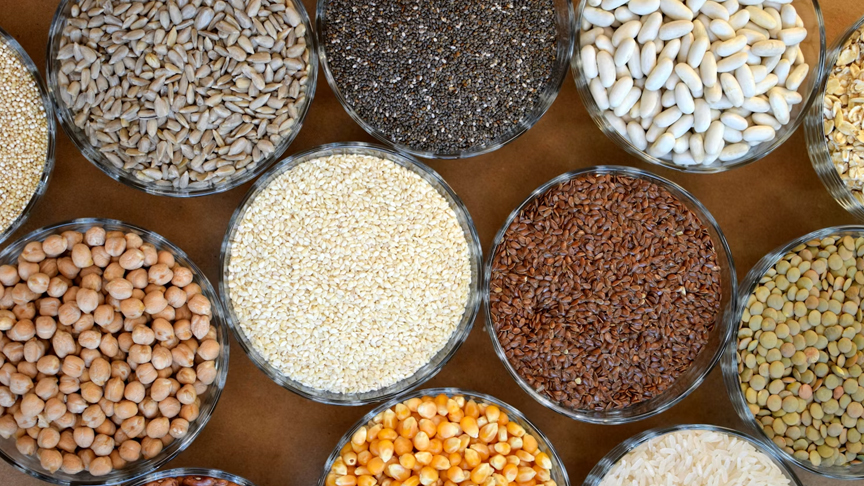
Eating four to six servings of wholegrain each day reduces several major risk factors for cardiovascular disease, according to a new study published in the European Heart Journal.
The study is a systematic review and meta-analysis, meaning it brings together the results of all existing research in this area. It includes data from 87 clinical trials that tested the effects of eating wholegrain food on risk factors for cardiovascular disease.
It shows that eating a diet rich in wholegrain food is likely to prevent heart disease by reducing body weight, blood pressure and the levels of cholesterol and glucose in the blood.
The research was led by Dr Helda Tutunchi from Tabriz University of Medical Sciences, Iran.
She said: “Although higher wholegrain intake has long been linked to better heart health in population studies, clinical trials have produced mixed findings. This left an important practical question unanswered: how much whole grain should people eat to meaningfully improve cardiovascular health? To address this, we systematically combined and analysed all available randomised controlled trials to identify the amount of whole grain associated with the greatest benefits.”
The analysis included more than 6,500 people from trials conducted across Asia, Europe, the United States, Canada, Australia, and Brazil It showed that eating more wholegrain reduced people’s body weight, waist circumference and blood pressure, as well as reducing the levels of total cholesterol and low-density lipoprotein cholesterol (LDL or ‘bad’ cholesterol), triglycerides, glucose and interleukin-6 (a sign of inflammation) in people’s blood.
These benefits could be seen in people eating 30 to 40 grams of wholegrain per day (dry weight), but the greatest benefits were found in people eating 60 to 100 grams per day. This corresponds to four to six servings of wholegrain daily, for example, a bowl of oatmeal, a sandwich made with wholegrain bread, and a serving of brown rice.
Dr Tutunchi said: “This is the largest and most comprehensive meta-analysis of randomised controlled trials on wholegrain intake and cardiovascular risk factors. Unlike previous reviews, we looked specifically at how much wholegrain people need to eat to get the greatest benefits. We also evaluated the certainty of the evidence and found high-certainty evidence for improvements in several outcomes, including body weight, waist circumference and total cholesterol.
“However, most of the trials we included were relatively short, with an average duration of about eight weeks. As a result, we cannot determine whether these benefits are maintained over the long term. In addition, relatively few studies evaluated very high wholegrain intakes, above 140 grams per day, so the effects at those intake levels remain uncertain.
“Our findings provide a practical indication of the amount of wholegrain that may be needed to achieve meaningful improvements in cardiovascular risk factors. Increasing wholegrain intake is a relatively simple, accessible and affordable dietary strategy that can complement other lifestyle and medical interventions.
“We found that most benefits occur at intakes of approximately 60 to 100 grams per day, toward the upper end of current dietary recommendations. These findings do not necessarily call for major changes to existing guidelines, but they support public health strategies that help people increase their whole-grain intake and move toward the higher end of current targets.
“One important finding is that whole grains may benefit cardiovascular health through several modest improvements acting together, rather than through one large effect on a single risk factor. We observed improvements across multiple pathways, including blood lipids, blood pressure, glucose regulation, body fat and some markers of inflammation. Although the change in each individual risk factor was generally modest, improving several risk factors simultaneously could contribute to a greater reduction in long-term cardiovascular risk. However, the included trials did not assess cardiovascular events directly, so longer-term studies are needed to confirm this.”
In an accompanying editorial [2] Dr Cecilie Kyrø from the Danish Cancer Institute, Copenhagen, and colleagues said: “More than half a century ago, Sir Denis Burkitt and colleagues proposed that the refining of staple carbohydrates, with the accompanying removal of cereal fibre (i.e. from whole to refined grains), underpinned a broad spectrum of ‘Western’ diseases via effects on stool bulk, transit time, and the colonic milieu. Whole grains refer to cereal grains where the three main parts— bran, germ, and endosperm—are all retained in the same proportions as in the intact kernel, whether consumed as whole kernels, flakes, or milled into flour and used in bread and other foods.
“A meta-analysis of trials investigating the effect of whole grains on cardiometabolic risk markers by Naghshi et al. is published in this issue of the European Heart Journal and includes 87 trials of 6529 study participants in total. The meta-analysis shows high-certainty evidence for reductions in body weight, waist circumference, total cholesterol. and interleukin-6 (IL-6), and moderate-certainty evidence for improvements in LDL cholesterol, triglycerides, systolic blood pressure, fasting plasma glucose, and insulin resistance (HOMA-IR).
“Importantly, the meta-analysis includes dose–response analyses, addressing differences in whole-grain intake between trials and providing quantitative evidence to inform food-based dietary guidelines. Overall, intakes of 60–100 g/day dry weight (∼4–6 servings) were found to be clearly related to relevant cardiometabolic improvements.
“For clinicians, the message from Naghshi et al. is reassuringly simple: encouraging patients to replace refined grain foods with minimally processed whole grains is likely to yield modest but meaningful improvements in body weight, waist circumference, and blood lipids, perhaps particularly in individuals with type 2 diabetes. At the population level, even small shifts in these markers can translate into substantial reductions in cardiometabolic events. Adding evidence from research into other disease endpoints indicates that the beneficial effects of whole- grains foods even go substantially beyond cardiometabolic disease.
“The dose–response analyses by Naghshi et al. suggest that intakes of around 60–100 g/day whole grains (∼4–6 servings) are needed to achieve measurable cardiometabolic benefits. Current US dietary guidelines recommend 2–4 servings of whole grains per day within an overall pattern that emphasizes ‘real food’ and reduced intake of ultra-processed products. While this is an important step in the right direction, the trial evidence indicates that higher whole-grain intakes than presently recommended in some guidelines may be optimal for cardiometabolic health.
“From a policy perspective, the challenge is to make minimally processed whole-grain staples accessible, affordable, and culturally acceptable, while avoiding a drift towards ultra-processed products that merely add whole grains to otherwise highly processed formulations.”
NewsMakers
Coffee and heart health: How many cups of caffeinated coffee are safe to drink each day?
For most adults, consuming up to 400 mg of caffeine/day (or up to 5, 8-ounce cups of caffeinated coffee per day) is safe and appears to be linked to a lower risk of cardiovascular disease for some individuals.

Previous studies have found that caffeine is the world’s most popular stimulant and psychoactive substance, and coffee is the most common way people consume caffeine. The latest research supports the conclusion that for most adults, consuming up to 400 mg of caffeine/day (or up to 5, 8-ounce cups of caffeinated coffee per day) is safe and appears to be linked to a lower risk of cardiovascular disease for some individuals.
However, higher doses of caffeine, such as levels found in energy drinks including energy shots, may cause cardiovascular harm, according to a new American Heart Association scientific statement, “Caffeine and Cardiovascular Disease,” published in the American Heart Association’s flagship peer-reviewed scientific journal Circulation.
“Caffeine consumed in coffee is a key part of daily life for millions of people, and in our review of the most recent research, for most adults, intake of up to 400 mg of caffeine/day, the equivalent of up to 5 cups of caffeinated coffee per day without added sugars or fillers, is safe and does not increase cardiovascular risk,” said Chair of the scientific statement volunteer writing group Gregory M. Marcus, M.D., M.A.S., FAHA, a professor of medicine at the University of California, San Francisco School of Medicine and the associate chief of Cardiology for Research at the University of California, San Francisco Health. “However, high doses of caffeine, such as those found in energy drinks including energy shots, may have harmful effects on the heart and should be avoided.”
The statement authors note that studying the effects of caffeine on the cardiovascular system is challenging. Coffee is the main source of caffeine in most research studies, and the observed cardiovascular effects may be due to other compounds in coffee. For example, experimental studies suggest that the bioactive compounds in coffee may have antioxidant and anti-inflammatory properties, which may help explain some health benefits. It’s also difficult to separate the effects of caffeine from other ingredients usually added to coffee, such as milk, cream, flavored syrups and/or sugar. In addition, most studies on caffeine are observational, meaning they cannot prove cause and effect.
Although coffee is the main source of caffeine for most adults, tea, chocolate, soda and energy drinks, as well as over-the-counter and prescription medications, also contribute to overall caffeine intake. More research is needed about other products with caffeine in order to understand caffeine content and caffeine’s impact on cardiovascular health.
The new scientific statement details the most recent research primarily on caffeinated coffee and the potential impact of caffeine in coffee on high blood pressure, cholesterol, Type 2 diabetes, coronary heart disease, stroke, heart failure, atrial fibrillation, other arrhythmias and other cardiovascular conditions.
Caffeine and cardiovascular health: key things to know
- Based on the results of the latest research studies reviewed, consuming up to 400 mg of caffeine per day, or no more than 3 to 5, 8-ounce cups of regular black caffeinated coffee per day (without sugars, sweeteners, flavors or added fillers), is considered safe for most adults. A regular brewed, non-specialty, caffeinated coffee typically contains 9.4-20.6 mg of caffeine per fluid ounce.
- Consuming caffeinated coffee without added sugars, flavors or cream was linked to a lower risk of Type 2 diabetes, heart disease, stroke, heart failure and some irregular heart rhythms.
- Randomized trials, the most rigorous and reliable type of study design, have shown that caffeine consumption in coffee is associated with a lower risk of atrial fibrillation but also a higher risk of premature ventricular contractions.
- Adding sugar, flavored syrups, milk and/or cream to coffee likely reduces its potential health benefits, and more research is needed to understand the impact of these additives.
- Higher caffeine intake, such as levels found in energy drinks including energy shots, was associated with cardiovascular harm, such as increased risk of high blood pressure and irregular heart rhythm. Energy drink shots may contain 40-69 mg of caffeine per fluid ounce, 3-4 times more caffeine than regular caffeinated coffee.
How does caffeine affect the body?
Caffeine consumed in coffee is metabolized by the liver and generally reaches peak concentration for most people within an hour. However, how quickly individuals process caffeine depends on their genetics, metabolism, age and past caffeine use. When more caffeinated coffee is consumed regularly, some people may develop a tolerance to higher levels of caffeine.
Other people may feel stronger effects from the same amount of caffeine. Short-term effects of caffeine may include temporary increases in blood pressure, heart rate, blood sugar and alertness. Some people may experience heart palpitations and/or sleep disruption.
Specific health impacts of caffeine
- Effects on blood pressure: Studies have found that caffeinated coffee consumption may affect blood pressure differently depending on how much is consumed. In people with optimal blood pressure, drinking 1–3 cups a day was associated with an increased risk of developing high blood pressure, while drinking more than 3 cups per day was associated with a lower risk. High doses of caffeine (such as those from energy drinks or energy shots) can significantly increase blood pressure, especially in people who already have high blood pressure.
- Effects on Type 2 diabetes: Research suggests that caffeinated coffee may reduce insulin sensitivity in the short term. In addition, drinking black, caffeinated coffee (no additives, flavors or sweeteners) regularly was linked to a lower risk of developing Type 2 diabetes. However, this benefit may be due to compounds in coffee other than caffeine. More research is needed to clarify the impact on Type 2 diabetes of caffeinated coffee vs. various compounds in coffee.
- Effects on cholesterol: Data from randomized clinical trials indicate cafestol, a component in both caffeinated and decaffeinated coffee, was associated with higher levels of low-density lipoprotein (also known as “bad” cholesterol). Cafestol is present in unfiltered coffee (such as espresso, French press, Turkish coffee or boiled coffee) but not present in coffee brewed with paper filters or instant coffee. More research is needed to understand which products have higher levels of cafestol and their mechanisms.
- Effects on heart rhythm: The most recent analyses of health measures with self-reported information from participants have found that drinking 1-3 cups of caffeinated coffee per day was not associated with an increased risk of atrial fibrillation or abnormal heart rhythm. However, caffeinated coffee at that same level may be associated with more early beats from the lower chamber of the heart, called premature ventricular contractions (or PVCs). Very high doses of caffeine (such as those in caffeinated energy drinks or energy shots) have been linked to abnormal heart rhythm in people usually considered to have low cardiovascular disease risk, such as healthy adults younger than age 30.
- Effects on heart disease and stroke: Drinking 2-4 cups of caffeinated coffee per day was linked to a lower risk of heart disease, heart failure and stroke. However, drinking more than 4 cups of caffeinated coffee a day may increase the risk of heart failure.
Not all sources of caffeine are the same
More research is necessary to investigate the different health impacts of various types of caffeinated coffee and other products with caffeine, such as tea, soda, energy drinks and energy shots, and foods. There have been fewer studies focused on tea vs. coffee; however, tea has been associated with reduced risk of atrial fibrillation, heart failure and stroke, similar to caffeinated coffee. Energy drinks, bars, gels and caffeine-based supplements often contain other added ingredients that may increase the absorption of caffeine, may accelerate its effects on the body, may raise blood pressure and increase the risk of cardiovascular harm.
More randomized controlled trials investigating the effects of caffeine in coffee and other products that have caffeine on cardiovascular health are needed to better understand how caffeine affects different people and how different sources of caffeine impact heart health. The writing group emphasized that there is also a need for research focused on caffeinated energy drinks and other popular products containing caffeine. Due to the lack of sufficient, rigorous data to develop guidance on recommendations for caffeine intake, caffeine was not referenced in the Association’s 2026 Dietary Guidance to Improve Cardiovascular Health.
“Although research suggests that caffeine consumption may be associated with certain cardiovascular benefits for some people, it’s important to remember that there is no ‘one-size-fits-all’ strategy for safe caffeine consumption. People can respond very differently to caffeine based on various factors, such as age, medications, underlying health conditions, genetics and how quickly their bodies metabolize it. What may be a reasonable amount for one person could cause unwanted effects, such as heart palpitations, anxiety or sleep disruption, in another. That’s why it’s important to pay attention to how your body responds to caffeine and talk with your healthcare team about what is right for you,” Marcus said.
Co-authors are Vice Chair Frank B. Hu, M.D., M.P.H., Ph.D., FAHA; Rob M. van Dam, Ph.D.; Marilyn C. Cornelis, Ph.D.; Thomas A. Dewland, M.D.; JungHee Kang, Ph.D., M.P.H., R.N.; Susanna C. Larsson, Ph.D.; Robert L. Page II, Pharm.D., M.S.P.H., FAHA; and Niyati Parekh, Ph.D., FAHA. Authors’ disclosures are listed in the manuscript.
Nutrition
Support immune health with 4 everyday habits
Start by talking with your health care provider about any concerns you may have then follow these lifestyle recommendations for natural immune system support.

The coughing and sneezing you hear at home, in the office and at the gym means one thing: It’s cold and flu season. Although it’s impossible to guarantee you won’t get sick, adopting a few healthy habits can go a long way toward avoiding the sniffles and sneezes.
Start by talking with your health care provider about any concerns you may have then follow these lifestyle recommendations for natural immune system support.
Wash Your Hands: While it’s probably the first rule you learn about getting sick as a child, washing your hands remains a critical first line of defense. Use warm, soapy water and rub your hands together for at least 20 seconds. Don’t forget the backs of your hands, wrists and under your fingernails. Rinse off the soap then dry with a clean towel.
Commit to Healthier Eating: Foods like fruits, vegetables, nuts, seeds, legumes and whole grains are recommended by experts as essential foods for optimizing your immune system. Consider fresh grapes, a prime example of food that contains beneficial plant compounds linked to health benefits in humans.
Healthy cells are the foundation of good health, and the antioxidants and other polyphenols naturally found in grapes help protect the health and function of cells. The good news is that improving your diet doesn’t require a complete overhaul – small steps such as swapping in fresh California grapes for processed snacks or simply adding a handful of fresh grapes to your day will add these beneficial compounds to your daily routine.
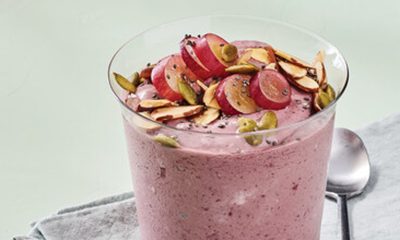
Or, you can add grapes to recipes like this Lemony California Grape and Beet Salad, a vibrant and fresh melody of color and flavor. Roasted red and yellow beets meet sweet and juicy grapes, peppery arugula and pumpkin seeds all brought together with a zesty lemon vinaigrette.
Studies suggest some grape compounds may positively influence immune function, including resveratrol and certain flavonoids. Additional studies show adding heart-healthy grapes to your daily diet can help support brain, colon and skin health. Grapes are also a good source of vitamin K, which may help support lung health.
Avoid Others Who are Sick: Along with washing your hands frequently, steering clear of people who are ill may sound like a no-brainer, but sometimes it’s easier said than done. When loved ones, close friends or coworkers come down with a cold or flu, do your best to keep your distance and avoid touching items with which they came into contact. After bedtime routines with a sick child or afternoon meetings with an under-the-weather associate, thoroughly wash your hands and clean commonly used surfaces like doorknobs or conference room keyboards.
Prioritize Hydration: Even during cooler weather, staying hydrated remains important for immune health by keeping the body’s defenses functioning properly. Drink water throughout the day, and for an extra dose, increase hydration by eating foods with high water content like grapes, which contain about 82% water.
Find more health and nutrition information at GrapesFromCalifornia.com.
Lemony California Grape and Beet Salad
Servings: 6
1/4 cup, plus 1 tablespoon, extra-virgin olive oil, divided
3 tablespoons lemon juice
1 tablespoon honey
2 cups peeled and sliced (1/8-inch thick) raw red and yellow beets, cut into small half-moons or triangles
1/2 teaspoon sea salt
3 cups halved red Grapes from California
1/2 cup roasted salted pumpkin seeds
2 green onions, thinly sliced
4 cups (3 ounces) baby arugula
freshly ground pepper, to taste
Heat oven to 400 F and line baking sheet with parchment paper. In large bowl, whisk 1/4 cup olive oil, lemon juice and honey; set aside.
Place sliced beets on prepared baking sheet and drizzle with remaining oil. Add salt and toss well to coat. Spread in single layer and bake 25 minutes, or until tender; let cool.
Add grapes and pumpkin seeds to bowl with dressing and toss well to coat. Add cooled beets, green onions and arugula. Toss lightly; season with pepper, to taste.
Nutritional information per serving: 250 calories; 5 g protein; 25 g carbohydrates; 16 g fat (58% calories from fat); 2.5 g saturated fat (9% calories from saturated fat); 0 mg cholesterol; 320 mg sodium; 3 g fiber.

Visiting San Pablo City’s Pho Viet Nam

Four to six servings of wholegrain per day lowers risk factors for heart disease

Structured exercise linked to longer cancer survival and time free of disease

Heading to Pila, Laguna? Check out La Cosina Antonio

Pasalubong shopping in Davao via Aldevinco

The look and feel of your neighborhood may affect your sleep

Workout or nap? Either can help your sleepless brain, study finds

Study links coffee consumption to metabolic health and sex hormones

Manulife Investments Philippines leads UITF rankings across equity and fixed income funds

Scheduling dental care during prenatal visits boosts oral health care during pregnancy
Pasalubong shopping in Davao via Aldevinco
Structured exercise linked to longer cancer survival and time free of disease
Heading to Pila, Laguna? Check out La Cosina Antonio
Four to six servings of wholegrain per day lowers risk factors for heart disease
Visiting San Pablo City’s Pho Viet Nam

-
 Destinations4 weeks ago
Pasalubong shopping in Davao via Aldevinco
-
 Wellness1 week ago
Structured exercise linked to longer cancer survival and time free of disease
-
 Destinations3 weeks ago
Heading to Pila, Laguna? Check out La Cosina Antonio
-
 Nutrition1 week ago
Four to six servings of wholegrain per day lowers risk factors for heart disease
-
 Destinations1 week ago
Visiting San Pablo City’s Pho Viet Nam