
NewsMakers
Depression more common among women with gynecological disorders
Depression was 44 percent more common among women with a gynaecological disorder even before diagnosis. In the year leading up to and the year following diagnosis, the risk of depression was between 15 and 109 percent higher, depending on the specific condition.


Gynaecological disorders such as endometriosis, PCOS, and menstrual irregularities are common and often associated with pain and disruption to everyday life. They are typically diagnosed late, and many women experience both physical discomfort and mental distress for years before receiving treatment.
Now, a new register-based study from the University of Southern Denmark reveals that depression is more prevalent among women with one of the 24 most common gynaecological conditions—and that mental health symptoms often appear long before a diagnosis is made.
– Many women live with psychological symptoms for years without anyone recognising that they might be linked to physical issues in the reproductive system, says Mette Bliddal, associate professor at the Research Unit for Gynaecology and Obstetrics, Department of Clinical Research, and lead author of the study.
The study found that depression was 44 percent more common among women with a gynaecological disorder even before diagnosis. In the year leading up to and the year following diagnosis, the risk of depression was between 15 and 109 percent higher, depending on the specific condition.
Large-scale register study over 13 years
The study draws on Danish health data for over 2.2 million women aged 15 to 49, covering the years 2005 to 2018. Of these, 265,891 women—12 percent—had been diagnosed with at least one of 24 different reproductive disorders.
The findings show a significantly increased prevalence of depression among women with a gynaecological diagnosis. This elevated risk begins well before diagnosis and peaks in the year following. The trend is evident both among women who had received a hospital-based diagnosis of depression and those who were prescribed antidepressant medication
– The overall picture suggests that physical discomfort and psychological distress often go hand in hand—and that it starts earlier than the healthcare system usually detects, says Mette Bliddal.
Most pronounced for painful conditions
The greatest differences in depression rates were found among women with painful conditions, such as menstrual-related pain and endometriosis. In these cases, the risk of depression was nearly twice as high as for women without these diagnoses.
– This suggests that many women may develop mental health symptoms in response to their physical discomfort, and that these reactions may be overlooked in a healthcare system that primarily focuses on physical symptoms, says Mette Bliddal.
A need for more holistic care
The study does not establish a causal link, but the clear overrepresentation of depression among women with gynaecological conditions points to a need for changes in clinical practice.
The researchers call for a more integrated approach between somatic and psychiatric care, both during initial assessment and in follow-up. This applies especially to general practice and gynaecological care.
– When so many women are affected by both physical and psychological burdens, we need to adopt a more holistic mindset. Systematic attention must be given to women’s mental wellbeing when investigating gynaecological disorders, says Mette Bliddal.







NewsMakers
More than a feeling: Could a healthier gut improve mental health?
Trillions of microbes in our digestive system talk to the brain through chemical and neural pathways, affecting our mood, stress levels and even cognition.

Nearly one in seven people live with a mental health disorder, making it one of the world’s most pressing health challenges. Yet despite available treatments, most people still lack access to effective care.
Now, researchers from the University of South Australia are exploring the connections between the gut and the brain to decipher their role in mental health and wellbeing.
Examining the growing evidence that the gut and the brain are deeply connected, their review presents the strongest proof yet that changes in a person’s gut microbiome can directly affect their brain chemistry.
The review found:
- Strong causal evidence that gut microbes can change brain chemistry, stress responses and behaviours in animal models.
- Disrupted gut patterns in conditions like depression and schizophrenia.
- Early trials of probiotics, diet changes, and faecal microbiota transplants improve mood and anxiety.
- Psychiatric medications can change the microbiome, demonstrating the gut-brain connection.
Lead author and PhD candidate, UniSA’s Srinivas Kamath, says the gut could hold the key to improving mental health worldwide.
“The gut–brain connection is one of the most exciting frontiers in mental health research,” says Kamath.
“We already know that the trillions of microbes in our digestive system talk to the brain through chemical and neural pathways, affecting our mood, stress levels and even cognition.
“But the big question is whether changes in gut bacteria actually drive mental illness or mirror what’s happening elsewhere in the body.”
Globally, mental health disorders affect nearly 970 million people, with depression and anxiety ranking among the leading causes of disability. Yet up to one-third of patients do not respond to current medications or therapies, highlighting the need for new and accessible treatments.
“There’s a growing awareness that lifestyle factors such as diet, stress, and environment can shape both gut bacteria and mental wellbeing,” says co-researcher Dr Paul Joyce.
“If we can prove that gut bacteria play a direct role in mental illness, it could transform how we diagnose, treat, and even prevent these conditions.
“Microbiome-based therapies such as probiotics, prebiotics or tailored diets may offer accessible, safer, low-cost and culturally adaptable options that complement existing care.”
The researchers say future studies must track gut changes over time and include more diverse, larger populations, to better understand how diet, environment and culture shape the gut–brain connection.
“Clinical trials should move beyond small, short-term studies and instead test whether microbiome-based therapies can deliver lasting benefits, especially when combined with existing treatments,” Dr Joyce says.
“By unlocking the gut’s role in mental health, we can develop practical, scalable tools for prevention and care, giving clinicians and patients new options to manage wellbeing.
“Mental health doesn’t start and end in the brain. It’s a whole-body issue – and the gut may be the missing piece of the puzzle.”
NewsMakers
Eating disorders in mums-to-be linked to heightened risk of asthma and wheezing in their kids
An eating disorder before pregnancy was associated with an overall 25% heightened risk of preschool wheeze, although this varied considerably in each cohort, and with a 26% heightened risk of school age asthma, which was much more consistent across the cohorts.

Eating disorders in mums-to-be are linked to a heightened risk of asthma and wheezing in their children, irrespective of the type of disorder, presence of co-existing depression/anxiety, or the timing of their child’s exposure, finds research published online in the journal Thorax.
The findings prompt the researchers to call for the inclusion of dedicated support in the healthcare of pregnant women with eating disorders to improve the respiratory health of their children.
To date, research on the effects of maternal mental health on children’s respiratory health has focused predominantly on depression, anxiety, and broadly defined stress, with limited evidence on less common conditions like eating disorders, note the researchers.
And while the evidence on the consequences of maternal eating disorders has consistently reported on their children’s cognitive, social, emotional, behavioural and eating behaviours, the evidence is less consistent for physical health outcomes.
To strengthen the evidence base, the researchers analysed data from 131,495 mother and child pairs from 7 distinct European birth cohorts in the EU Child Cohort Network (EUCCN), looking at potential associations between maternal eating disorders before pregnancy and their children’s preschool wheezing and school age asthma.
They subsequently explored potential associations between women who didn’t have depression or anxiety by type of eating disorder (anorexia or bulimia) and period of exposure (pregnancy or after birth).
The prevalence of maternal eating disorders before pregnancy ranged from nearly 1% to 17% across the 7 cohorts. And the prevalence of co-existing depression/anxiety among women with eating disorders ranged from 11% to 75%.
The prevalence of preschool wheezing ranged from 21% to nearly 50%, while that of school age asthma ranged from just over 2% to nearly 17.5%.
An eating disorder before pregnancy was associated with an overall 25% heightened risk of preschool wheeze, although this varied considerably in each cohort, and with a 26% heightened risk of school age asthma, which was much more consistent across the cohorts.
These heightened risks weakened slightly after excluding mothers who had depression/anxiety.
Similar associations with childhood asthma were found for anorexia and bulimia, while preschool wheezing was associated with bulimia only.
Although the observed associations differed slightly across exposure periods (before, during, or after pregnancy), no distinct window of susceptibility emerged.
This is an observational study, and as such, no firm conclusions can be drawn about cause and effect, and the prevalence of eating and respiratory disorders varied widely across the cohorts.
“Although this may make some of the findings less comparable, the direction and the magnitude of the associations were relatively stable in all the analyses,” explain the researchers.
But they add: “The mechanisms underlying the associations between maternal mental health and childhood respiratory outcomes remain unclear.”
They suggest that mental ill health and associated stress may activate the hypothalamic-pituitary-adrenal axis, disrupting the baby’s lung development during pregnancy and maturation of the child’s immune system, thereby increasing susceptibility to immune mediated conditions, including asthma.
“Children born to mothers with [eating disorders] are at an increased risk of foetal growth restriction, prematurity, Caesarean delivery and low birth weight. These are also well-known risk factors for respiratory morbidity, suggesting multiple possible mediating pathways in the link between maternal [eating disorders] and childhood respiratory outcomes,” they point out.
“In addition, research has shown that both mental health disorders and asthma involve dysregulation in immune response and inflammatory pathways, suggesting a common genetic basis that may contribute to both conditions,” they add.
They conclude: “There is a need to include maternal [eating disorders] in research on early- life respiratory risk factors and to integrate [eating disorder] screening and support into maternal healthcare to improve respiratory outcomes in offspring.”
NewsMakers
At-home brain stimulation prevents depression relapse in 3 out of 4 patients, study finds
As up to 85% of people with depression experience relapse during treatment, effective tools for relapse prevention are lagging.
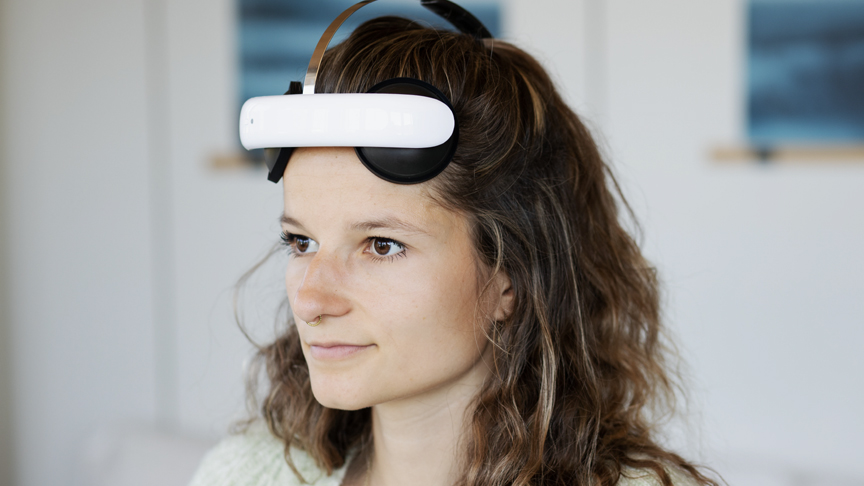
A study, and largest of its kind, has found that at-home brain stimulation can prevent relapse of major depressive disorder in 75% of patients. Published in the Journal of Affective Disorders, the PSYLECT study tracked the long-term effects of home-based transcranial direct current stimulation (tDCS) therapy combined with online behavioral support. The findings revealed that non-drug, at-home treatment could help many patients maintain recovery from depression over time.
In the study, participants who had completed their initial depression treatment had to use at-home brain stimulation twice a week for six months.
Researchers monitored their progress to see whether the therapy could prevent relapse without ongoing clinical support. By the end of the follow-up period, only six of the 71 patients experienced a return of depressive symptoms, while 11 discontinued treatment.
The results showed that most participants maintained recovery using brain stimulation therapy alone, without the need for in-person visits or additional interventions.
As up to 85% of people with depression experience relapse during treatment, effective tools for relapse prevention are lagging.
According to the study, at-home and remotely supervised tDCS therapy can be an effective and scalable option: it achieves results comparable to in-clinic treatment, but can increase access and lower costs, as it doesn’t require clinic visits to receive therapy sessions.
“Home-based brain stimulation bridges a major treatment gap, helping patients sustain long-term recovery after antidepressants or psychotherapy,” said Erin Lee, CEO of Flow Neuroscience, the company behind a tDCS device for depression used in the study. “Many people struggle to pay for visits or travelling to the clinic, or simply are too busy to attend several sessions a week. This is when at-home therapy comes to the rescue.”
Erin Lee added that at-home tDCS-based relapse prevention can be cost-effective for clinics, too, as it reduces waiting times and frees up clinicians.
For patients, another benefit of at-home treatment is high adherence.
“Many people with a history of depression might find it easier to stick to home-based therapy, as it’s less effort compared to regular in-clinic visits,” noted Dr. Kultar Singh Garcha, a GP and Medical Director at Flow Neuroscience. “Even months into treatment, many patients still feel physically and emotionally exhausted, so lowering the effort can help them keep going.”
Beyond accessibility and scalability, researchers found at-home brain stimulation to be safe and well-tolerated, with minimal side effects like scalp itching or headaches. By the end of the study, 40% of participants reported no adverse events at all.
The study was led by the University of São Paulo Medical School and conducted in collaboration with the Ludwig-Maximilians University in Munich, Germany, as well as the University of Ghent, Belgium, Spaulding Rehabilitation Hospital, and Massachusetts General Hospital.
Flow Neuroscience’s medical device, used in the study, is CE-certified and has regulatory approval for depression treatment in the UK, EU, Australia, Switzerland, Hong Kong, and other countries. It is backed by both clinical studies and real-world data of over 50,000 users.
By delivering gentle electrical currents to the brain, the headset regulates activity in the prefrontal cortex, the part of the brain involved in mood regulation and stress response. It is often underactive in people with depression.
“For decades, relapse has been one of the biggest challenges in depression treatment, but this is finally changing now,” said Erin Lee. “We are certain that with home-based brain stimulation therapy, effective and non-drug relapse prevention will become a new mental health care standard.”

Steaks without breaking the bank

Sarap ng Pasko, Sarap ng Purefoods

Trying the offerings of Japanese resto Tanto in Tanay, Rizal

More than a feeling: Could a healthier gut improve mental health?

Eating disorders in mums-to-be linked to heightened risk of asthma and wheezing in their kids

Dance effective in fighting against cognitive decline in Parkinson’s

Depression more common among women with gynecological disorders

niko and … brings Evangelion Collection to the PH, plans to expand its operations

Going Vietnamese (and some Thai) in Tanza, Cavite

Antipolo’s Crescent Moon, where art meets food
niko and … brings Evangelion Collection to the PH, plans to expand its operations

Tasting Thai at Pad Thai Express
Antipolo’s Crescent Moon, where art meets food
Going Vietnamese (and some Thai) in Tanza, Cavite
Sarap ng Pasko, Sarap ng Purefoods

Christmas reunions made more joyful with Magnolia Chicken Timplados, #SarapMadeEasy
Dance effective in fighting against cognitive decline in Parkinson’s
More than a feeling: Could a healthier gut improve mental health?
Eating disorders in mums-to-be linked to heightened risk of asthma and wheezing in their kids
Depression more common among women with gynecological disorders

-
 Beauty & Fashion2 weeks ago
niko and … brings Evangelion Collection to the PH, plans to expand its operations
-
 Destinations3 weeks ago
Tasting Thai at Pad Thai Express
-
 Destinations3 weeks ago
Antipolo’s Crescent Moon, where art meets food
-
 Destinations2 weeks ago
Going Vietnamese (and some Thai) in Tanza, Cavite
-
 Product Showcase5 days ago
Sarap ng Pasko, Sarap ng Purefoods
-
 Product Showcase3 weeks ago
Christmas reunions made more joyful with Magnolia Chicken Timplados, #SarapMadeEasy
-
 Wellness1 week ago
Dance effective in fighting against cognitive decline in Parkinson’s
-
 NewsMakers1 week ago
More than a feeling: Could a healthier gut improve mental health?