
Destinations
Siquijor: Island of fire and magic
John Ryan Mendoza discovers the simple joys that can be had in magical Siquijor.


The island of Siquijor in Central Visayas has always mystified me as a kid because of a memory of one Halloween special of a weekend TV show that showed a man who was able to make paper dolls dance on their own. Numerous local films and stories have always portrayed this country’s third smallest province to be one of the top destinations for mananambals (folk healers) and other mystical arts. Desperate to escape the sweltering summer heat of Metro Manila and to answer long unanswered curiosities, an invitation to the island from a gay couple from Cebu City was finally my chance.
Reaching this Island of Fire or Isla de Fuego, as it was called during early Spanish times, could be done through flying or sailing to its bigger island neighbors, Negros, Cebu, Bohol, or Mindanao.
 I flew to Cebu City and rode for three hours with my friends to Liloan (South Cebu). To commute, one has to take a bus bound to Liloan at the South Bus Terminal and the fare for non-aircon buses is about P 162 and P 200 for air-con buses.
At the Liloan port, P62 is paid for the terminal fee and the 30 minute ferry ride to Sibulan (Negros Oriental). From Sibulan pot, an P11 jeep ride can be taken to Dumaguete city. At the Dumaguete Port, one can choose between the Delta Fast Craft and GL Shipping Lines Ferry to Siquijor. The ride costs P160 and would take roughly an hour.
Upon arriving at the Siquijor port, the sight of the clear turquoise waters of a white sand beach was one awesome welcome. We then headed to U.Story Guest house in the village of Tag-ibo, San Juan. For P1, 900 per night, we stayed at a charming bungalow made of indigenous materials that exuded a very relaxing tropical ambiance. I just coiled and dozed off at the porch cushion the whole afternoon while enjoying the calming sea breeze and serene atmosphere of the surrounding flower gardens.
Their bar-restaurant boasts an array of French-Filipino cuisine that would cater to both foreign and local palates. Having the same indigenous construction, wide openings for the sea breeze and view, and adornment of artworks from India, Africa, and all other parts of the world, this place is one unique hang-out.
The U.Story guesthouse is perched upon a rock cliff and a concrete stairway that conveniently leads down to the clear waters and corals below. It is a different feel from a white sandy beach but on high tide, it still is one refreshing dip and a sight for snorkelers.
When it comes to sunsets, this part of Siquijor would just take one’s breath away. Starting late afternoon, the sky’s colors then start to shift. Hues of blue, yellow, orange, and gold transform into unique canvases that change every few minutes until the night sets in. These dreamlike and picturesque sights are indeed a must see for all.
Apart from seas and sunsets, the island offers much more sights to visit. We rented motorbikes for P300 per day and sped off to our first stop: Lola Conching.
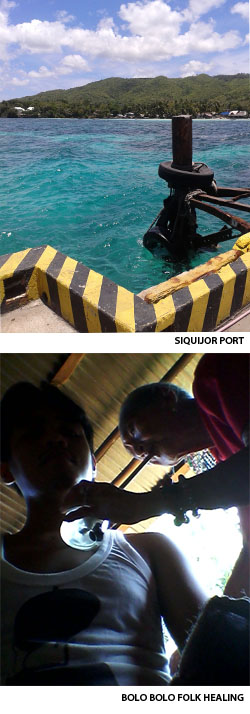 Lola Consolacion Achay is one of the island’s remaining bolo-bolo healers. Bolo-bolo, in the old Visayan language, means “bubbles.” We found her living in a bahay kubo with a videoke “waiting area” in the village of Tag-ibo. She was already busy with a middle-aged local who complained of her sore eye. A tourist from Croatia then arrived after us.
Lola Conching had three basic tools: a black stone, a drinking glass, and a six-inch bamboo tube called bagacay. She blew bubbles into the glass and hovered it around the patient’s body, most frequently to the area of complaint. When it was my turn, I had an up-close observation of the clear water turning mysteriously murky and then the sudden appearance of onion-like skins as she blew bubbles in the glass. The session lasted for about six minutes and ended when the recent water refill did not turn cloudy anymore. The closing ritual was a whispered Latin prayer while oil was rubbed to my forehead and chest. There wasn’t any rate of payment, any amount of donation will do.
Our motorbike journey then covered just some of the few spots worth visiting such as the century-old balete tree, Cambughay falls, Bandilaan Natural Park (highest point in the island), and the century old churches. Given much more days, beach hopping at the various white sand options, cliff jumping at Salagdoong beach, swimming at the natural spring parks, visiting other home-based folk healers, and spelunking in the Cantabon, Eugenia, Dacanay, Tagmanocan, and Baljo caves would have been additions. Most of these adventure options have no entrance costs at all. Just find your way there though a map and enjoy.
Driving a motorbike around the island was a breeze as there was virtually no traffic at most times and routes. We have been able to find other white sand beachfront accommodations in San Juan such as the End of the World that charges P400 per room and The Bruce that offers cottages with kitchen amenities and have short and long stay rates (P1,200 for two per day/P1,500 for four per day).
This idyllic island had me spellbound of its natural charm. A short stay proved to be inadequate to immerse oneself in the mysteries that abound. Siquijor indeed has its wide array of magic (natural or otherwise) to trance all explorers and seekers to return.





Destinations
Visiting San Pablo City’s Pho Viet Nam
When we came across Facebook posts on Pho Viet Nam in San Pablo City in Laguna, we expected to encounter what was experienced in Vietnam (i.e. good food over so-so venue). We expected too much…

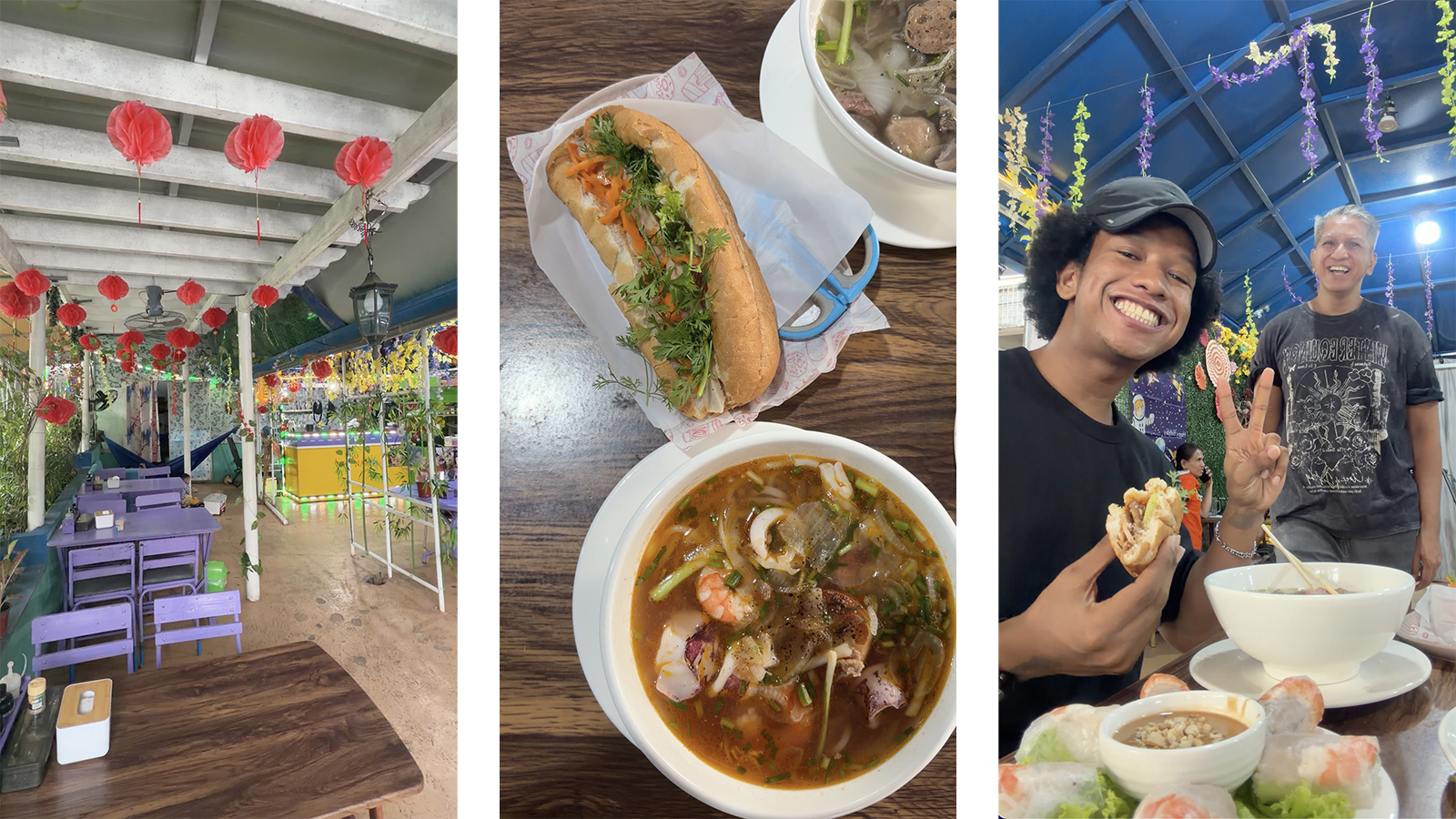
If you’ve been to Vietnam, you’d know that some of the best places to eat at are in those neighborhood eateries; their versions of karinderya, in a manner of speaking, where locals prep good lutong-bahay Vietnamese offerings sans the classy places of expensive restos. Here, the focus is always the food, never the blings.
So when we came across Facebook posts on Pho Viet Nam, located somewhere in San Pablo City in the Province of Laguna, we sort of expected to encounter what was experienced in Vietnam.
@outragemag Looking for #Vietnam food while in #SanPabloCity in #Laguna? We #LGBT checked #PhoVietNam ♬ original sound – Outrage Magazine
Una, this is not the most accessible place even for those with vehicles from Metro Manila. This is because you still have to travel for over an hour (if you’re lucky traffic-wise), and spend on your gas and the toll and so on.
Note that when you’re also along Apolinario Mabini Street, the resto isn’t apparent. It is located at the back of another resto (Joy), so it is very easy to miss. There is, BTW, a small entry at the side of the resto, which leads to an outdoor parking space.
Ikalawa, the actual resto is cheap-looking – e.g. plastic décor, running lights here and there, and so on. Very karinderya; cheap karinderya, for that matter.
Ikatlo, the servers were okay naman; they knew what was on the menu, and – after making quick recommendations – kept you undisturbed to enjoy what you ordered. The orders took some time to be prepped, however; I was even able to order bad-tasting fries from the other resto due to the waiting time.
Ika-apat, how was the food?
Both the ₱245 Beef Noodle Soup and the ₱245 Seafood Noodle Soup weren’t bad naman; but they weren’t good either. You get enough properly-cooked meats, the noodles are sufficient, and so on. Taste-wise, though, they were bland, and no amount of the prepared condiments helped in changing the flavor.
The ₱190 Rice Paper Roll sufficed even if, by and large, it was tasteless. The saving grace: the satay dip since it was rich and nutty and all that.
The ₱160 Meatloaf and Egg Sandwich (the banh mi kep thit va trung) had enough meat naman… and yet was also bland.
Considering the asking prices of this place, you sort of expect a lot, too. Add to that the popularity of the place – e.g. look at all those who dine there, kinukuyog. Alas, the realities when already there are harsher.
Heading to San Pablo to check this place led us to the nearby Dagatan Blvd. surrounding Sampaloc Lake, a must-check place in these parts. So we sort of do not regret heading to San Pablo.
But buod: No, Pho Viet Nam is not worth the dayo; not worth for you to intentionally seek this place out. The food wasn’t bad. But it’s not great, or even good either. It just suffices. And so, particularly for non-locals, the additional expenses for the gas, toll, et cetera make going there not worth it… sorry.
But off we go for more LGBTQIA+ rampa…
Pho Viet Nam is located at 130 Apolinario Mabini Street, San Pablo City, 4000 Laguna.
Destinations
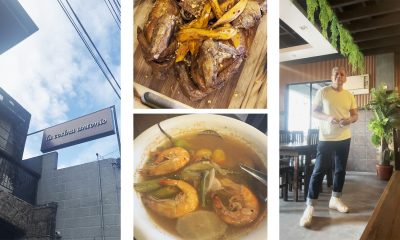
Heading to Pila, Laguna? Check out La Cosina Antonio
We found our #LGBT selves in #Pila, #Laguna, where we ended up checking La Cosina Antonio.
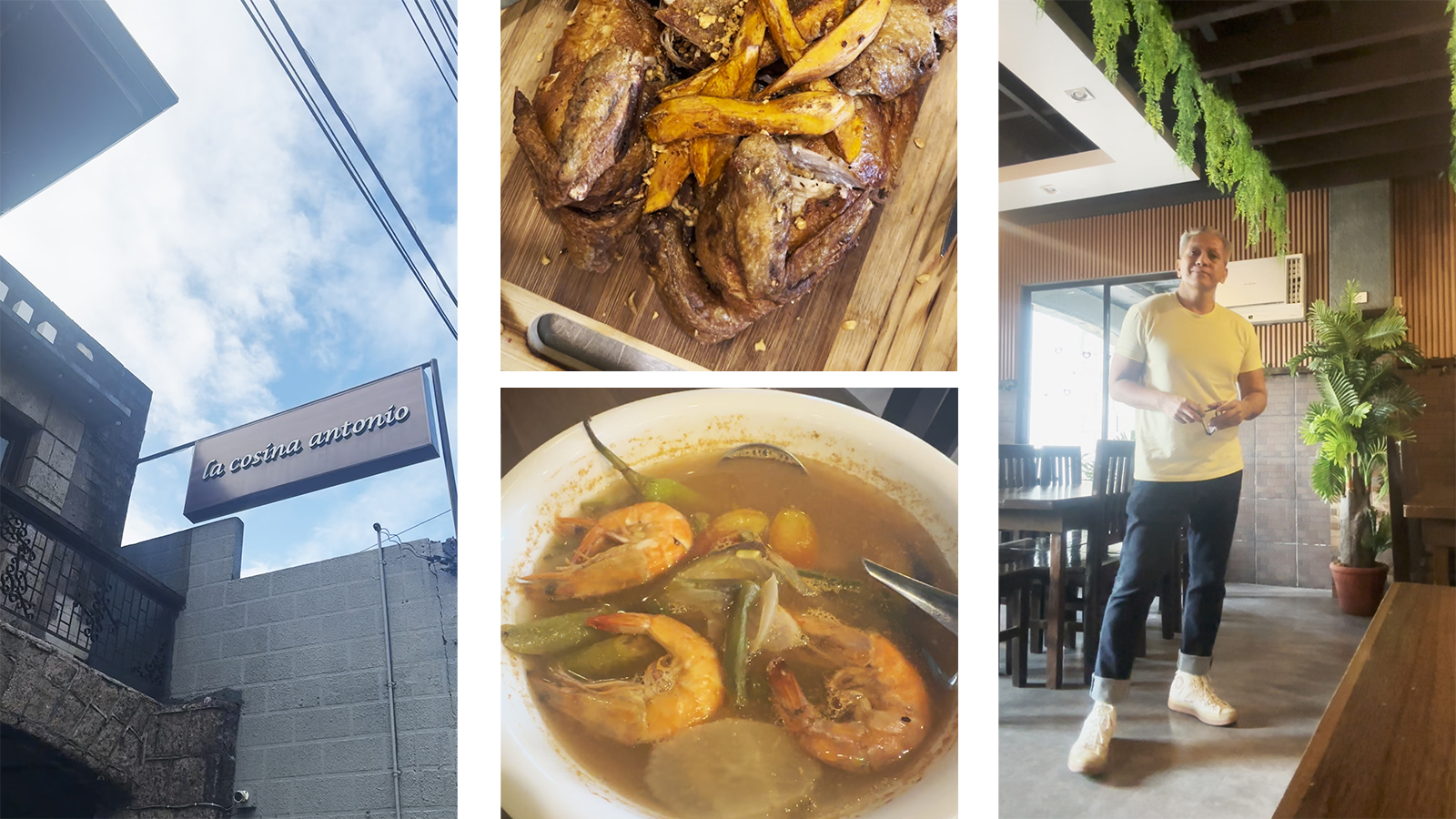
While traveling from Batangas City on the way to Paete, Laguna after an Intersex 101 training workshop, intersex activist Jeff Cagandahan worried where he’d feed us. And then, after a quick discussion with his wife, he suggested La Cosina Antonio, which is apparently a must-check resto in the Municipality of Pila in the province of Laguna.
So we went there, and… how was it for us?
@outragemag #LGBT wandering in #Pila, #Laguna? You may as well try #LaCosinaAntonio ♬ original sound – Outrage Magazine
Una, this is really only convenient to access by locals, or those with private vehicles. Pila, if you must know, is one of the oldest settlements in the Philippines. It is, nonetheless, still largely provincial. And so this place is dadayuhin; you need to intentionally go there as it’s not on the way to major destinations.
Ikalawa, the actual venue is BIG. This one’s an old house converted into a resto with different parts – e.g. for dining, for drinking complete with a performance space for a band, venue spaces, and so on. La Cosina Antonio is, thankfully, well-kept, so that it’s clean, has updated furniture, and so on.
Ikatlo, the staff was okay naman when we were there, able to discuss what’s on the menu, make recommendations… and then prepare the orders and deliver them fast. Very home-y approach, actually, treating guests as regulars.
Ika-apat, how was the food?
The ₱375 Dinakdakan was actually good, the pork belly crispy, the chopped onions and green chilies fresh, and the calamansi-mayo dressing not overpowering.
The ₱390 Sinigang na Hipon was… so-so, not bad though not good either. Pampainit-tiyan. Though, this has to be said, at least di tinipid in the number of shrimps served.
The ₱560 Garlic Pepper Whole Chicken was good; the meat stayed juicy even if the skin was crunchy.
The ₱770 Crispy Pata was also good; crunchy skin and, yes, malamang pata. There are times when you get Crispy Pata that’s basically just skin and bone, no meat at all. Here, we got meat… thankfully.
This place is popular, true (check their Facebook page, LOL). I can be dismissive and say that because, if in Pila, it’s not like you have lots of choices. But truth be told, it’s also because La Cosina Antonio actually has not-bad stuffs to offer… including the okay venue, okay service, and okay food. So check out if you can… or just join us as we look for more LGBTQIA+ lafangan venues…
La Cosina Antonio is located along JP Rizal St., Barangay Sta. Clara Norte, Pila, Laguna.
Destinations
Pasalubong shopping in Davao via Aldevinco
#Pasalubong hunting in #Davao? Consider the new, pinasosyal #Aldevinco that may not have the grimy character of the old location but still is worth #LGBT visiting.
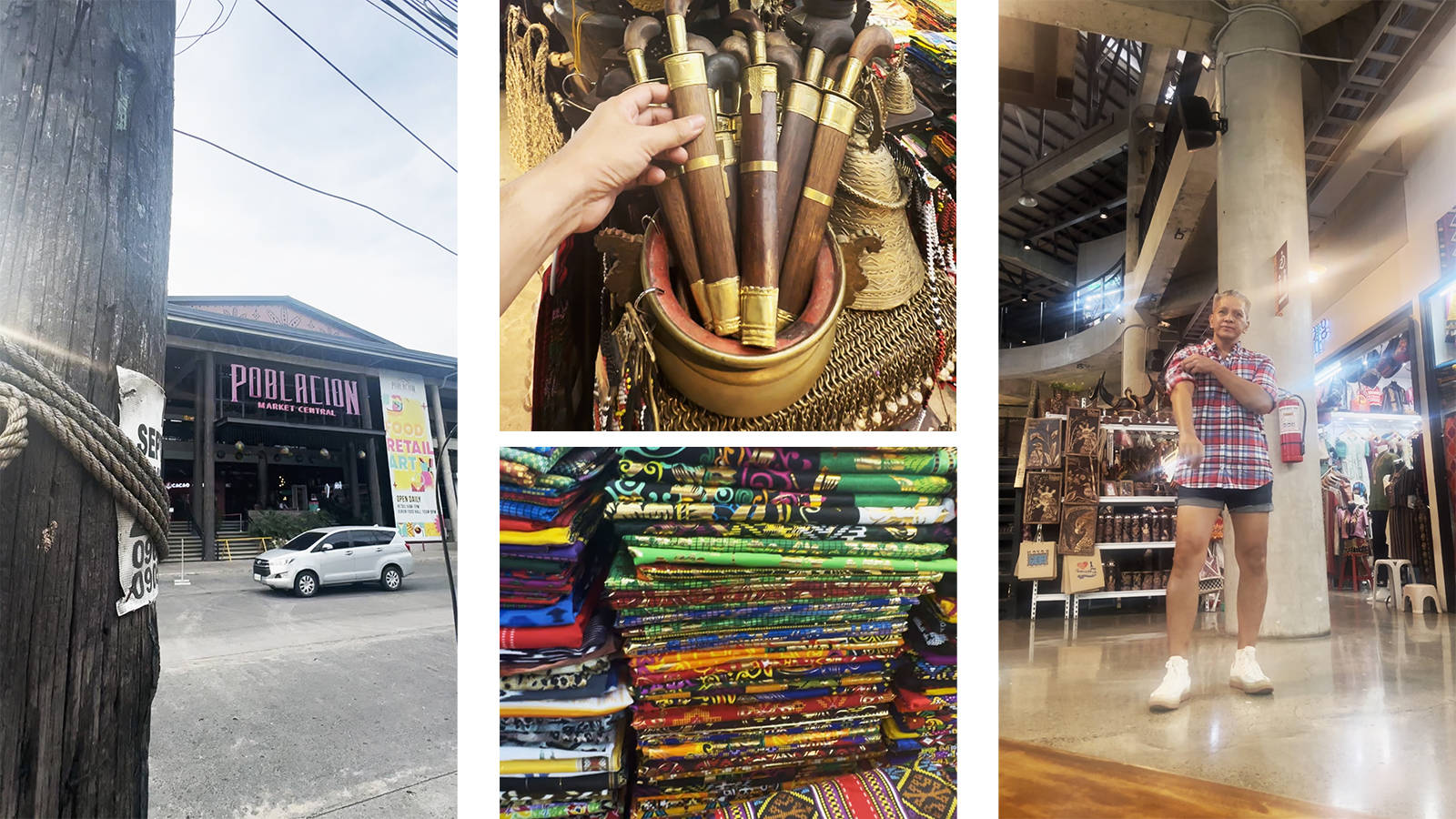
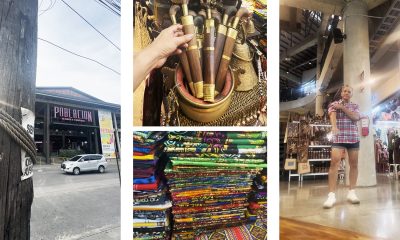
Davao-bound tourists know – or should know – of Aldevinco Shopping Center, the city’s one-stop-hub for everything Mindanao-related. You need malong or patadyong as pasalubong? You need a kulintang not just as a musical instrument, but as décor? You need batik, or T’boli ethnic apparel? You can find them all… and even more, in Aldevinco.
But here’s the thing, particularly for those who do not know yet: the old Aldevinco, which was located along C.M. Recto Street and Roxas Avenue in Davao City, is no more.
Now… enter the new Aldevinco, this time located at Poblacion Market Central on C. Bangoy Street (former Madrazo Fruit Stand)… which isn’t that far from the old place, actually.
We checked, and here are some things worth noting.
@outragemag #Pasalubong hunting in #Davao? Consider the new, pinasosyal #Aldevinco that may not have the grimy character of the old location but still is worth #LGBT ♬ original sound – Outrage Magazine
Una, this place looks and feels new. The old Aldevinco had a palengke feel, but this one has a mall feel. So you have a high-ceilinged venue with better-arranged stores that are air-conditioned, and so on. Pina-sosyal, in a manner of speaking.
Ikalawa, when there, the rules remain the same: haggle. The prices first quoted to you are not the actual prices the goods go for… unless you’re too moneyed and you don’t want to ask for discounts, though in that case, you shouldn’t even be in Aldevinco at all. The more you buy (i.e. bulk buying), the lower the prices, obviously. But always haggle… even if only for the fun of doing it.
Ikatlo, if you have time to spare, don’t auto-buy from the first store you check. Tour the area and compare prices. Often, the goods sold in one store will also be offered in a different store. So move around before making a final decision.
And ika-apat, Aldevinco may be popular as the go-to place for pasalubong, but in truth this isn’t the only one. Halimbawa, right across the old Aldevinco is a series of shops, some of them from the old Aldevinco. Because, at times, Aldevinco can feel like a tourist trap, and understandably, not everyone likes going into one. So consider your other options.
All the same, when in Davao, this is a place worth checking… if not for the shopping, then the food… or at least to check what happened to the tenants of the 60-year-old Aldevinco that was closed in December 2021, and is now being redeveloped into who-knows-what.
All part of rediscovery as we continue the LGBTQIA+ rampa wherever and everywhere…
Open from 9AM to 7PM (with the Kūkūñ Food Hall open from 10AM to 9 PM), Aldevinco Shopping Center is located at Poblacion Market Central, C. Bangoy Street, Davao City.

Redefining aesthetics: From anti-aging to healthy aging

Visiting San Pablo City’s Pho Viet Nam

Four to six servings of wholegrain per day lowers risk factors for heart disease

Structured exercise linked to longer cancer survival and time free of disease

Heading to Pila, Laguna? Check out La Cosina Antonio

Pasalubong shopping in Davao via Aldevinco

The look and feel of your neighborhood may affect your sleep

Workout or nap? Either can help your sleepless brain, study finds

Study links coffee consumption to metabolic health and sex hormones

Manulife Investments Philippines leads UITF rankings across equity and fixed income funds
Structured exercise linked to longer cancer survival and time free of disease
Four to six servings of wholegrain per day lowers risk factors for heart disease
Visiting San Pablo City’s Pho Viet Nam
Redefining aesthetics: From anti-aging to healthy aging

-
 Wellness3 weeks ago
Structured exercise linked to longer cancer survival and time free of disease
-
 Nutrition3 weeks ago
Four to six servings of wholegrain per day lowers risk factors for heart disease
-
 Destinations3 weeks ago
Visiting San Pablo City’s Pho Viet Nam
-
 Beauty & Fashion2 weeks ago
Redefining aesthetics: From anti-aging to healthy aging