
NewsMakers
A personalized approach to women’s health and wellness is the way
Current healthcare systems and common wellness practices ought to develop in more ways possible to service and help women meet their evolving and exclusive health demands.


One-size-fits-all solutions for health and wellness are a thing of the past now. Filipinas have come a long way to realizing and embracing the unique builds of their minds, bodies, even their aspirations and priorities in life.
Challenges related to women’s health and fitness are to each her own. Current healthcare systems and common wellness practices ought to develop in more ways possible to service and help women meet their evolving and exclusive health demands. In the commencement of women’s month, here are practices to consider and digital tools that can be customized and convenient to you, to better and sustain your health this season and beyond.
Personalize your diet and fitness goals
You might have heard of trendy fitspiration workout and diet plans to stay healthy and fit. But how sure are you that it suits your unique physique’s needs and capacity? What works for one individual may not for another, more so for women.
Oprah Daily said hormones influence feelings of hunger and fullness, metabolism and body fat levels that overall affect women’s lifestyle.[1] Hormone levels differ by age and reproductive or menstrual condition. Filipinas can pursue the latest intermittent fasting, ketogenic diet and calorie-counting trends to achieve their body goals, however, these should be done along with a consultation from your nutritionist or personal health providers. Approaches to your diet have to be an efficient and targeted program to achieve better and healthier results.
There are also high-tech fitness gadgets that can personalize and support your health and fitness journey, especially for female-body types. These gizmos can monitor one’s activity levels and notify workout, eating and water drinking schedules, overall helping users sustain personal diet and fitness programs.
Maximize women-focused tools and services
Thanks to technological advancements in modern society, gone are the days when women manually tracked and tested themselves for health issues. Female-focused virtual tools, in the form of mobile applications, have innovated primarily women’s reproductive, menstrual and sexual health monitoring for awareness and disease prevention. FemTech Analytics forecasted that by 2026, the Asia-Pacific region will see the world’s fastest growth in women’s health apps.[2]
These can be period and pregnancy tracking apps available in android and iOS, which also houses teleconsultations to help women be more knowledgeable about their bodies and conscious of their hormonal status, equipping them to make informed decisions in these aspects of their wellbeing.
Meanwhile, women-centered high-tech facilities are also gaining momentum in the market and are becoming safe spaces for Filipinas to get treatment. These establishments started from serving women and assisting them through common reproductive, sexual or pregnancy issues, and has now developed to holistically address mental health and even dermatological or aesthetic needs of women. You may find a number of facilities, whether government-funded or privately listed, in many regions nationwide, especially accessible within metros in greater Manila areas.
Apotheca Integrative Pharmacy works closely with doctors and customers and considers factors such as patient age and allergy history in the process of customizing medicines to a patient’s needs.
Trust in customized medicines tailored to your specific needs
Forbes magazine revealed that Personalized Healthcare is one of the top trends in the industry this 2023, with emphasis on precision medicines that are tailored to patients based on age, genetics and other risk factors, rather than a generic approach.[3]
For Apotheca Integrative Pharmacy (AIP), pioneer specialty compounding pharmacy in the Philippines, women may require customized dosages or delivery methods for medications related to their reproductive and hormonal health. Better and more targeted management of these can lead to stronger immunity and preventive health.
Through compounding– the science of customizing medications to a patient’s specific needs, medications can be tailored to meet their individual requirements. This process removes problem-causing excipients, adjusts dosage strengths to suit certain patients, such as infants or the elderly, adds flavors for better taste and even creates alternative form factors to make medicines easily ingestible such as lozenges, candies, gels, creams, capsules and liquid.
This month, AIP encourages Filipinas to explore Bioidentical Hormone Replacement Therapy (BHRT) and Weight Loss Management solutions, two of their top categories in service of female patients.
Women who suffer from hormonal imbalances caused by polycystic ovarian syndrome (PCOS) or menopause, common conditions of Filipinas young and old, can turn to hormone replacement therapy to treat their symptoms. BHRT is the process of replicating hormones using natural resources to supplement the body with the hormones it lacks. These can be: Thyroid Hormones Triiodothyronine (T3) and Thyroxine (T4) that stimulate body oxygen and energy consumption, increasing basal metabolic rates; Progesterone that increases core temperature during ovulation, relaxes smooth muscle, reduces gall bladder activity, normalizes blood clotting and vascular tone, and assists in thyroid function; Melatonin that improves the circadian rhythm and induces drowsiness for better sleep; Dehydroepiandrosterone or DHEA that strengthens the immune system, slows the natural changes in the body that come with age and provides more energy, improving mood and memory, and building up bone and muscle strength; Pregnenolone that improves energy, vision, memory, clarity of thinking, well-being, and libido, and many others.
AIP also provides prescribed weight management offerings, including clinically proven prescription medication, Phentermine Hydrochloride + Topiramate that is used to treat obesity type 2 diabetes, high cholesterol, and high blood pressure. AIP also offers various nutrients like Methionine thatmayassist in the breakdown of fats to help to lower cholesterol thereby preventing excess fat buildup in the liver and throughout one’s body’s circulatory system; Inositol that promotes the health of cell structures and nerve synapses in aid of the metabolism of fats, helps reduce blood cholesterol, and participates in the action of serotonin, a neurotransmitter known to control mood and appetite; Choline that supports the liver in its processing and excretion of chemical waste products; and Cyanocobalamin (Vitamin B-12) thatis has been shown toboost energy and overall metabolic rates, assisting in the burning of stored body fat, detoxifies the body, increase of red blood cell production, maintain a healthy liver, help regulate sleep, mood, appetite and energy, and works synergistically with other nutrients to improve health, and slow aging.
Women in healthcare supporting Filipina patients
AIP has been providing world-class health and pharmaceutical care for custom medication needs for 10 years. In the last three years, AIP’s study showed more than 70 percent of their subscribers are female patients, a significant increase of 72 percent in the number of female patients served from 2021 to 2022. The female patients’ profiles comprise of gen Z adults ages 18 and above at 53 percent, millennials ages 27 to 42 as the largest generational group at 23 percent, followed by Gen X ages 43 to 58 at 20 percent, and Boomers ages 59 to 68 at 4 percent.
AIP’s Managing Director Sofia Lista also harps on supporting women empowerment in the industry which is evident in their operations. “Many women work in the field of pharmaceutical compounding as pharmacists, technicians, or researchers, and their contributions are vital to advancing the field and improving patient care. In AIP, 66 percent of the workforce are women and hold leadership positions. Let’s celebrate the important role that women play in healthcare and medicine,” says Lista.
AIP works with female doctors who specialize in women’s health– gynecology, endocrinology and dermatology. It advocates for the pharmacy triad or finding accountability with doctors, patients and pharmacists to provide superior pharmaceutical care, strengthening patient confidence and compliance. Visit apotheca.com.ph to know more about their offerings, and follow AIP’s Facebook, Instagram, YouTube and LinkedIn channels.


NewsMakers
Common drug class may increase risk of heart disease
The risk of cardiovascular disease increased in line with how much anticholinergic medication the participants used each year. Those with the highest exposure had a 71 per cent higher risk of a cardiovascular event than people who did not use anticholinergic medication at all.

People who use drugs with anticholinergic effects, including certain antidepressants, drugs for urinary incontinence and common antihistamines, are at higher risk of developing cardiovascular disease.
This is shown in a study from Karolinska Institutet published in BMC Medicine.
Anticholinergic drugs reduce the effect of the neurotransmitter acetylcholine and are commonly prescribed to middle-aged and older people. This large group of drugs includes antihistamines used for allergic conditions, anxiety or insomnia, drugs for urinary incontinence, and certain antidepressants, where tricyclic antidepressants have a strong anticholinergic effect, whereas SSRIs have a weaker effect. A high cumulative use of these drugs, referred to as anticholinergic burden (see fact box), has previously been linked to impaired cognitive ability.
May affect heart regulation
The new study suggests that the drugs may also affect the parasympathetic nervous system and thereby the regulation of the cardiovascular system. The results show that it may be important to monitor the total drug burden in everyday clinical practice.
The study included more than 500,000 people in Stockholm, Sweden, who were 45 years of age or older and had no prior cardiovascular disease, except for hypertension, at the start of the study. The researchers followed the participants for up to 14 years and analysed how the use of anticholinergic drugs was associated with the development of cardiovascular disease.
“Many of these drugs are used by older people and by people with multiple medical conditions. We wanted to investigate whether the total exposure had any significance for the risk of developing cardiovascular disease over time,” says Nanbo Zhu, postdoctoral researcher at the Department of Neurobiology, Care Sciences and Society, Karolinska Institutet.
71 per cent higher cardiac risk
The study showed that the risk of cardiovascular disease increased in line with how much anticholinergic medication the participants used each year. Those with the highest exposure had a 71 per cent higher risk of a cardiovascular event than people who did not use anticholinergic medication at all. The association was seen for all types of cardiovascular disease but was particularly clear for heart failure and various forms of arrhythmia.
“Our results indicate that the cumulative drug burden can affect heart regulation, not only in the short term but also over the long term. This does not mean that the drugs should always be avoided, but that exposure should be monitored carefully,” says Hong Xu, assistant professor at the Department of Neurobiology, Care Sciences and Society.
The researchers point out that the study is observational, meaning it cannot establish a causal relationship. Other factors, such as underlying diseases, may also influence the associations.
The work was carried out within the Stockholm CREAtinine Measurements project in collaboration between several research groups at Karolinska Institutet and Region Stockholm. The study was funded by the Swedish Research Council, the Center for Innovative Medicine Foundation, and other foundations. Some researchers report assignments for the pharmaceutical industry, which are disclosed in the scientific publication.
NewsMakers
Mindfulness practices found to significantly reduce depression symptoms, especially for those with early-life adversity
Mindfulness interventions help by regulating our emotions better when different challenges come up. For someone who has experienced childhood neglect or abuse, mindfulness training can help us make sense of that and respond skillfully to this moment in time.

A new study reveals that mindfulness practices may significantly reduce depression symptoms, particularly in people who have experienced early-life adversity, such as childhood abuse and neglect.
Led by Eric Loucks, professor of medicine, epidemiology, and of behavioral and social sciences and director of the Mindfulness Center at Brown, the study enrolled 201 participants, 101 of whom were randomized into the Mindfulness-Based Blood Pressure Reduction Program, while 100 were randomized into an enhanced usual care control, which included home blood-pressure monitors, physician access and health-education materials. Researchers also had a measure of participants’ early-life adversity, particularly their exposure to abuse or neglect.
Loucks and his team followed participants for six months to assess changes in blood pressure, health behaviors and mental health, finding that those in the mindfulness program showed significant improvements in their depression symptoms. Additionally, participants who experienced childhood neglect showed greater improvements in depression symptoms than those who had not. A similar, though less pronounced, trend was observed among people with a history of childhood abuse.
“In this program, that was primarily designed to lower blood pressure while addressing whole-person health, we also saw that mental well-being, particularly around depression symptoms, improved in participants that went through the program,” Loucks said. “The findings suggest that cultivating mindful self-regulation skills–such such as self-awareness, attention control and emotion regulation–may help interrupt maladaptive patterns shaped by past experiences.”
Over the last 15 years, Loucks has been studying social determinants of health such as early-life adversity and its impacts on cardiovascular health, body mass index and blood pressure. “I came to a point where I wanted to not just document it, but do something about it, and I wondered if mindfulness training might help,” he said. “I’d gone through a lot of mindfulness training myself outside of work and started to get trained up in mindfulness programs that are specific to health contexts.”
Loucks began to study the Mindfulness-Based Stress Reduction program, running it through two clinical trials that were funded by the NIH and finding that it reduced blood pressure in both trials. He also wanted to look at the intervention from a whole-person perspective.
“If we look at everyday folks out in the world, those that had exposure to early life adversity, like abuse and neglect, tend to have worse mental health and also worse cardiovascular health,” Loucks said. “Mindfulness interventions help by regulating our emotions better when different challenges come up. For someone who has experienced childhood neglect or abuse, mindfulness training can help us make sense of that and respond skillfully to this moment in time.”
Loucks discussed this work during a keynote address at the U.S. DOHaD Society this year. “It felt like a coming-home moment to see that this intervention, originally developed to address psychosocial factors that influence health, had even stronger effects among people with early-life adversity, particularly on depression,” he said. “It’s been about a 15-year arc of research that culminated in these findings.”
NewsMakers
High-fiber diet linked to reduced risk of heart disease in night shift workers
A moderate intake of about 19 grams of fibre per day was linked to a lower risk for those who worked night shifts regularly. For those who worked night shifts sporadically, about 15 grams was enough. The current recommendation for adults is about 25 grams of dietary fibre per day.
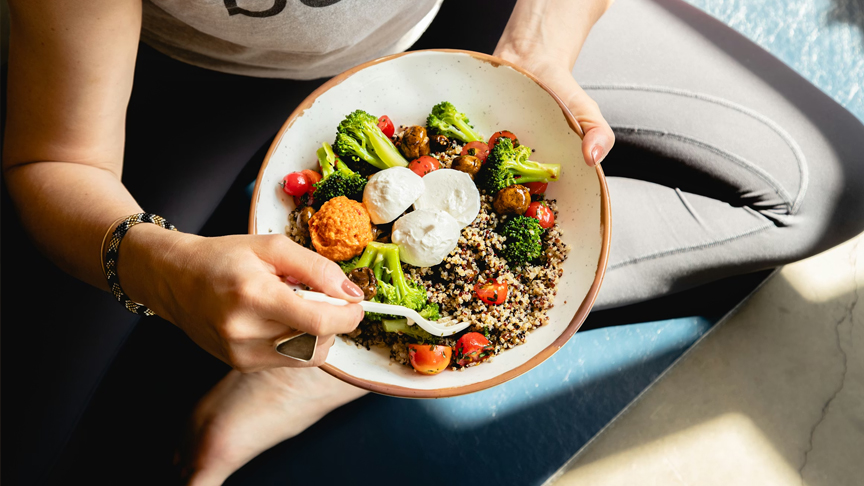
People who work at night have a higher risk of coronary artery disease, a type of heart disease. A new study suggests that a higher fibre intake in the diet may help reduce this risk. The study included over 220,000 adults in the UK and is published in the European Journal of Epidemiology.
The human body is built to sleep at night. This means that working during the night goes against this natural pattern, and can place additional strain on the body, including the heart. Previous research has linked night work to an increased risk of coronary artery disease. Since night work is often unavoidable, the researchers wanted to investigate whether certain dietary habits might have a protective effect.
More fibre associated with lower risk
The researchers used data from 220,000 adults in the UK Biobank (2006–2010) and divided the participants into three groups:
- Day workers
- Shift workers who worked night shifts sporadically
- Regular night shift workers
The participants had completed a detailed questionnaire about their dietary habits. During a follow-up after about 12 years, it was found that night shift workers who consumed little fibre in their diet had a higher risk of coronary artery disease than those who consumed more fibre.
“A moderate intake of about 19 grams of fibre per day was linked to a lower risk for those who worked night shifts regularly. For those who worked night shifts sporadically, about 15 grams was enough. The current recommendation for adults is about 25 grams of dietary fibre per day,” says Diana Nôga, lead author and researcher at Uppsala University.
The researchers stress that the figures from the study are not official dietary recommendations. But they do show a pattern in this UK study: a higher dietary fibre intake was linked to a lower risk of heart disease among night shift workers.
“The link between fibre and a lower risk of heart disease is not just because those who eat more fibre generally have a healthier lifestyle. We know this because we adjusted for various lifestyle factors in the analysis. One possible explanation, supported by previous research, is that fibre in the diet can improve intestinal flora and also reduce lipids, which can be particularly good for the heart in people who work at night,” says Christian Benedict, senior author of the study and Professor of Pharmacology at Uppsala University.
Dietary fibre can support heart health
According to the researchers, an increased intake of fibre-rich foods such as whole grains, vegetables, fruit, legumes and lentils may be a simple way to improve heart health for night shift workers. However, this requires that you do not have any medical obstacles to doing this, such as chronic gastrointestinal diseases.
“Dietary changes should be seen as a complement to, not a substitute for, other heart health-promoting habits such as not smoking, remaining physically active, and getting enough sleep,” says Diana Nôga.

Common drug class may increase risk of heart disease

Mindfulness practices found to significantly reduce depression symptoms, especially for those with early-life adversity

Exercise to treat depression yields similar results to therapy

Aerobic exercise may be most effective for relieving depression/anxiety symptoms

High-fiber diet linked to reduced risk of heart disease in night shift workers

Two types of underconfidence linked to anxiety and gender

Checking the charm of Baguio City’s Café by the Ruins

Sleeping in on weekends may help boost teens’ mental health

Breastfeeding may lower mums’ later life depression/anxiety risks for up to 10 years after pregnancy

Creativity feels great — until tomorrow
Creativity feels great — until tomorrow
High-fiber diet linked to reduced risk of heart disease in night shift workers
Sleeping in on weekends may help boost teens’ mental health
Exercise to treat depression yields similar results to therapy
Checking the charm of Baguio City’s Café by the Ruins
Two types of underconfidence linked to anxiety and gender
Aerobic exercise may be most effective for relieving depression/anxiety symptoms
Mindfulness practices found to significantly reduce depression symptoms, especially for those with early-life adversity
Breastfeeding may lower mums’ later life depression/anxiety risks for up to 10 years after pregnancy
Common drug class may increase risk of heart disease

-
 NewsMakers3 weeks ago
Creativity feels great — until tomorrow
-
 NewsMakers3 weeks ago
High-fiber diet linked to reduced risk of heart disease in night shift workers
-
 NewsMakers3 weeks ago
Sleeping in on weekends may help boost teens’ mental health
-
 Wellness3 weeks ago
Exercise to treat depression yields similar results to therapy
-
 Destinations3 weeks ago
Checking the charm of Baguio City’s Café by the Ruins
-
 NewsMakers3 weeks ago
Two types of underconfidence linked to anxiety and gender
-
 Wellness3 weeks ago
Aerobic exercise may be most effective for relieving depression/anxiety symptoms
-
 NewsMakers2 weeks ago
Mindfulness practices found to significantly reduce depression symptoms, especially for those with early-life adversity