
Destinations
Miyagi… for when travel restrictions are lifted
Throughout the region, there are a vast array of remote places that provide travelers with a serene escape from the crowded cities. Here are some attractions and destinations to dream about from afar, until travel restrictions are lifted.


Known as the “land of contrasts,” Miyagi Prefecture in northern Japan gets this name from its unique blend of urban areas and natural attractions. Throughout the region, there are a vast array of remote places that provide travelers with a serene escape from the crowded cities. Below are some attractions and destinations to dream about from afar, until travel restrictions are lifted.
Travelers looking for a quick escape from the cities can find one in Akiu, home to Rairaikyo Gorge. The one-kilometer nature trail is free and easy to access. The scenic gorge features a variety of rock formations and flowers, and offers access to Nozoki Bridge, also known as the Lover’s Sanctuary. The remote spot has a heart-shaped hole that naturally formed in the gorge wall. After it rains, the heart is filled with water and locals believe you can see your future lover’s reflection in the water.
Right near the gorge is Hotel Zuiho, an upscale and modern hot springs hotel with numerous baths at different temperatures. The city of Osaki also has a variety of natural attractions, such as Naruko-kyo Gorge. To experience these attractions from home, Osaki has its own Youtube channel featuring in-depth videos of many local attractions.
The sacred Oshima Island in Matsushima Bay was famous decades ago, regarded as a special place of spiritual power, and home to numerous natural attractions. In the 11th century, the island became home to poets and monks, including the famed pilgrim Kenbutsu Shonin, a monk who was said to have magical powers, including the ability to fly. In 1119, Emperor Toba heard of these legends and gifted the island 1,000 pine trees — which is believed to be the origin of the name of the bay of “Matsushima,” meaning “pine tree island.” Today, the island is shrouded in mystery and still contains historical landmarks and artifacts for visitors to explore.
A short trip from the island to the Onikobe Jigokudani Nature Trail in Northern Miyagi offers a very different view. This volcanic area, whose name translates to “demon neck,” is home to erupting geysers that momentarily disrupt the solitude and tranquility of the trail. Also nearby are natural hot springs, and travelers looking to spend the night can camp out at the Fukiage Kogen Campground.
Miyagi is also known for its variety of remote onsens, ideal for travelers looking for wellness options. The Sakunami Ichinobo is a ryokan that sits among the lush forestry in the valleys of the prefecture’s Sendai region. Reflecting the natural beauty of the surrounding nature, the Sakunami Ichinobo features an outdoor pool, sun deck and eight hot spring baths from three natural geothermal sources, including the nearby Hirosegawa River. Gaga Onsen of Mount Zao is also incredibly remote and has been a family operation since 1875. The ryokan boasts a rustic wooden private open-air bath overlooking the river that guests can reserve free of charge. For even more privacy, the Komakusa Suite includes its own in-room hot spring bath.
Sporty travelers looking to explore the land and see as many sites as possible can mountain bike through the Mount Zao Highlands. The Zao Echo Line is the best way to take in the natural beauty of the surrounding mountains and is considered the most scenic route around Mount Zao. The nearly 16-mile trail traverses through the mountainous border between Miyagi and Yamagata Prefecture. Bike riders and hikers can follow this trail up and over Mount Zao, eventually ending at the hot springs of Kaminoyama Onsen in Yamagata. Beautiful waterfalls, spiritual sites and Okama Crater, the crown jewel of Mount Zao, are waiting for those who choose this path.
For a way to experience cycling in Miyagi from home, people can check out this video on cycling through Matsushima Bay and this one in Akiu.
Travelers who prefer the beach instead of mountains can hike the Michinoku Coastal Trail, a trekking route running from Fukushima to Aomori Prefecture that is over 500 miles long. Hikers who travel through Miyagi are bound to encounter some of the prefecture’s most iconic remote and scenic spots, such as Matsushima Bay and Sanriku Coast. Travelers at home can still experience the trail through this online guide that shows the trail in its entirety.
For more information on Miyagi, visit http://www.visitmiyagi.com.




Destinations
Checking the historic Charlie wanton resto in Mandaluyong
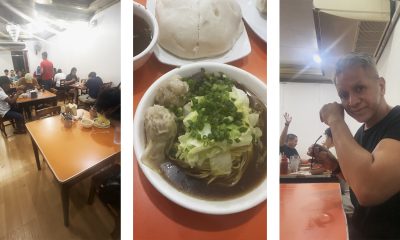
For those craving noodle soups, tambak ang options in Metro Manila. But one of the old faves is Charlie Wanton Special in Mandaluyong City. We #LGBT checked if it’s worth visiting.


For those craving noodle soups, tambak ang options natin, truth be told. From David’s to Noodle Park to Wann Mann to Tim Ho Wan… the options are now endless. But – let this be said – the olden ones continue to charm. And among these is Charlie Wanton Special in Mandaluyong City.
When driving from Sta. Ana in the City of Manila to Greenhills in San Juan City, we always pass by this resto in Mandaluyong City that was established in 1958, though the original location was in Florentino Torres Street in Santa Cruz, Manila. That it is widely known is an understatement – e.g. good luck getting a table if you go there during rush hour (usually during lunch, or early dinner).
Anyway, we headed there when an opportunity presented itself. And… how was Charlie for us?
@outragemag #Wanton with nostalgia at #charliewantonspecial in #Mandaluyong during this #LGBT ♬ original sound – Outrage Magazine
Una, the place is in the middle of nowhere… in a manner of speaking. It is one of an extremely small number of restos in a long road that’s mostly residential, and there’s no public transportation there. But – exactly because the resto is known – it isn’t hard to find, as it’s very Google-able and Waze-able.
Ikalawa, the place is – in a word – unpretentious. Don’t expect fancy when there. The place is “divided” into sections – i.e. the glass-enclosed kitchen where the noodles are being made (you can watch the making, by the way); the dining area (which can accommodate over 70 pax); and the small events place. You get old wooden furniture, old cutlery, aged plates, and so on.
Ikatlo, the workers looked haggard when we were there… though this may be because they’re overwhelmed with the number of customers. I’d say don’t expect to be given special attention; this place is an order-eat-pay-go venue.
Ika-apat, how’s the food?
As served, the Chicken Mami (₱235) and the Beef Wanton Mami (₱305) looked abundant. We received extra bowls of sabaw, which were necessary because the noodles per bowl were a lot. Oh… the chicken sabaw was thicker, while the beef sabaw tasted like humba, complete with that star anise taste.
We had concerns taste-wise:
- the beef strips were soft, yes, but the mami with the beef didn’t taste beefy at all;
- the wanton in the same mami was okay-tasting, but didn’t taste fresh; and
- the chicken strips weren’t malansa, but the mami with the chicken was tasteless.
The Bola-bola Siopao (₱130 for special) was aesthetically nice to look at, mainly because of its size. Sadly, that’s that. Taste-wise, it was weird. The dough was dry, and the meat was, aside from also being dry, had a malansa taste. It was hard to finish, sorry.
For the Siomai (₱120), we got three gigantic pieces. It was forgettable, but – after the siopao – at least the meat used here didn’t taste malansa.
Many people come, and will continue to head to Charlie. No surprise there since this can be a comfort zone for some. Kami, however, we don’t believe nostalgia alone makes any place deserving of being blindly supported. And so off we go in search of more lafangan venues…
Charlie Wanton Special is located at 265 Haig St. Daang Bakal, Mandaluyong City, Metro Manila. For more information, contact (02) 7718 1880.
Destinations
Checking the wind turbines of Pililla… since there’s not much else being offered
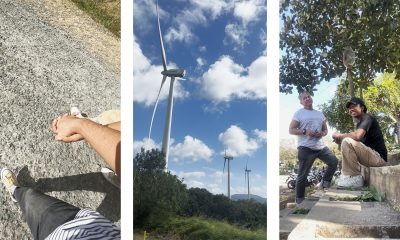
The Municipality of #Pililla promotes #pilillawindfarm #windturbines as tourist attractions… and nothing else, becoming a #touristtrap as checked during this #LGBT visit.
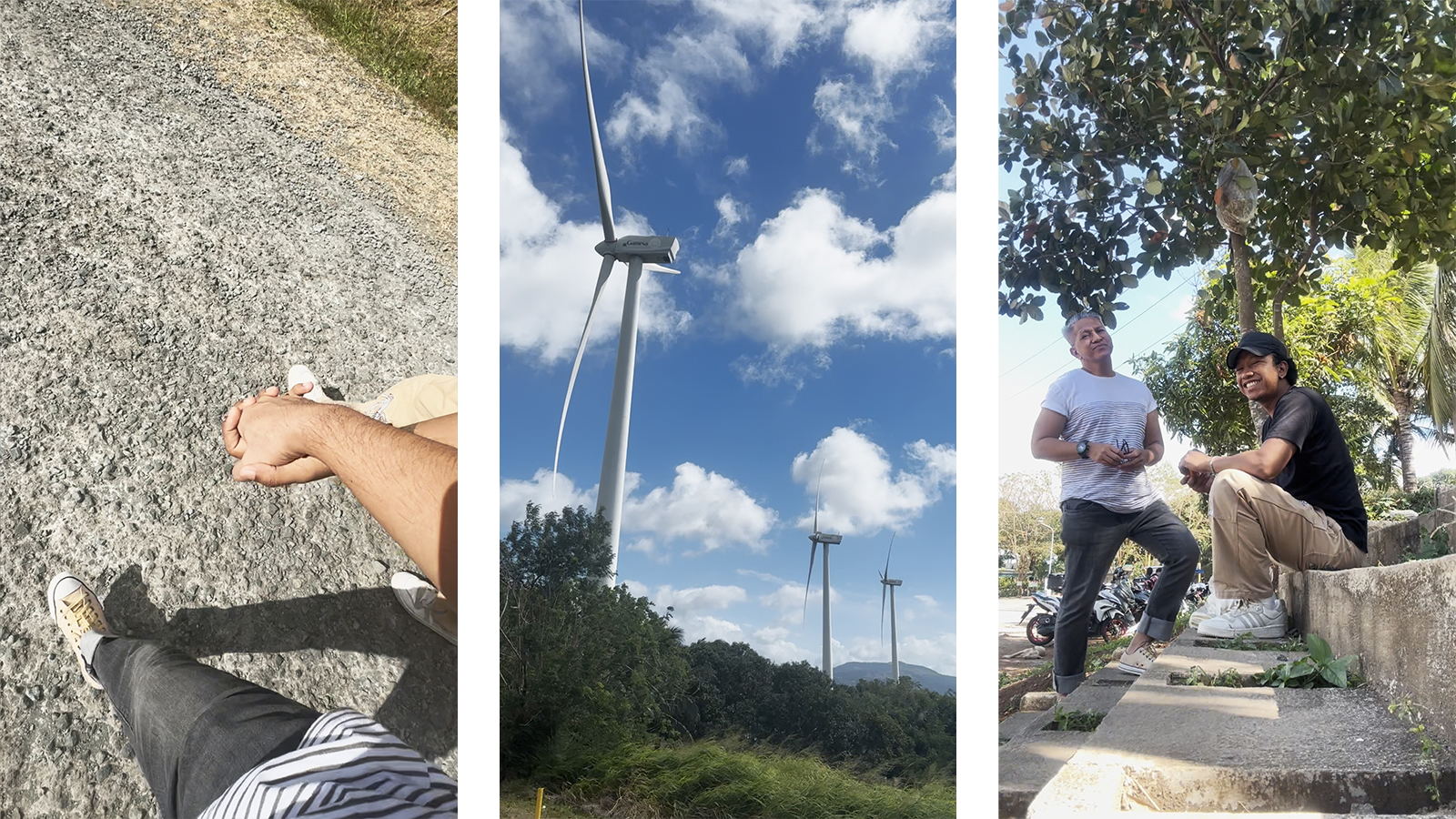
As a tourist, there are two ways to look at the Pililla Wind Farm. On one hand, you head there to see how we’re making use of nature to propel progress. But on the other hand, you go there because… there’s nothing else worth checking out in the area; we are so tourist site-deprived that we end up glorifying not-even-pretty gigantic turbines.
Anyway, we headed there, yes, and here are some observations.
@outragemag Municipality of #Pililla promotes #pilillawindfarm #windturbines as #tourism… and nothing else, becoming a #touristtrap as checked during this #LGBT ♬ original sound – Outrage Magazine
Una, the place is really only accessible for those with private vehicles. If you’re commuting, you can take a tricycle to and from the nearby Tanay Public Market. But don’t expect to be able to just hail sasakyan while there.
Ikalawa, open from 7AM to 6PM every day, you’d see 27 wind turbines operated by Alternergy Philippine Holdings Corporation there.
Standing atop hills at 300 meters above sea level, overlooking Laguna de Bay, each turbine can produce 2MW, with the entire farm generating almost 150 Gigawatt hours of electricity per year. To put this in perspective lang, ha, it could provide power for approximately 90,000 to 100,000 households… assuming, of course, na what’s produced is provided cheaply to the people.
But yes, you’d see “science in action” here… in a very, VERY limited way, of course.
Ikatlo, even if the Pililla Wind Farm doesn’t charge fees, everything is still for profit here – e.g. parking, stuff you can use while walking (like umbrellas), access to some viewing areas, and so on. The greed is most apparent in the access to toilets; here, all the shops have “PAY CR” since Pililla Wind Farm itself doesn’t have similar publicly-available facilities.
So… should you visit? If you have a car, daan lang siguro, quickly drop by. Or just enjoy those windmills from afar siguro. Because either/or, there’s not much to gain while at the Pililla Wind Farm – e.g. no people to discuss with you how farming the wind works, no glimpses of how this particular wind farm actually works, no picnic areas to stay at while enjoying the views, and so on.
Of course, if you really just want to take pics din, then yeah… head there. Pero kami, off we go for more LGBTQIA+ discoveries…
The Pililla Wind Farm is located at F8CX+VJW, Manila E Rd., Pililla, Rizal Province.
Destinations
Checking the café vibe of Filipino-ish Yellow Bird resto
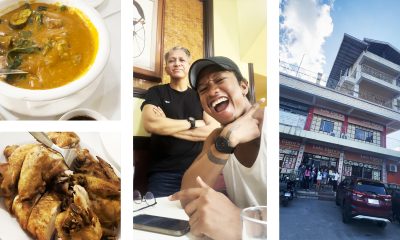
#Breakfast-hunting in #Antipolo led us to #YellowBird #restaurant that offers #Filipinofood, Italian dishes, #cafe goodies, atbp. But… is it worth checking out?
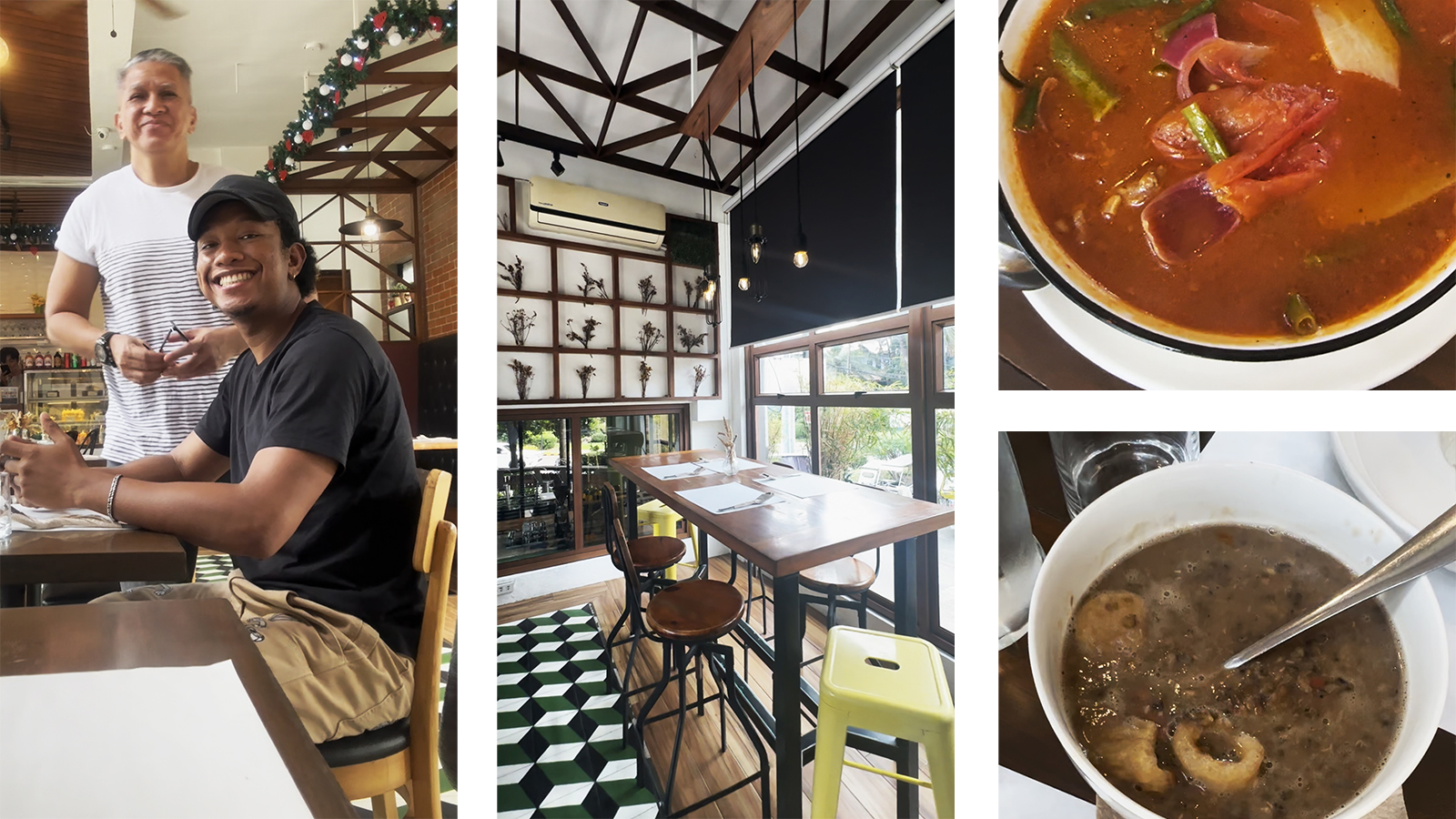
Antipolo has, particularly lately, been trying to make a name as a must-check place for foodies. If most places in Metro Manila close at night, Antipolo has 24-hour venues that boast not just not-bad food, but views of cities of Metro Manila as they succumb to darkness.
So one morning, after a night shift, we decided to grab something at any of their breakfast nooks… which was how we ended up at Yellow Bird Café X Kitchen.
@outragemag #Breakfast-hunting in #Antipolo led us to #YellowBird #restaurant that offers #Filipinofood, Italian dishes, #cafe ♬ original sound – Outrage Magazine
Una, the place isn’t hard to find for those with private vehicles; Google Maps or Waze will lead you there easily. But noticeably, we didn’t notice public transportation during our visit.
Ikalawa, the actual place was… airy, thanks to the glass walls/windows. But while this may also be a steakhouse/Filipino restaurant/Italian-ish restaurant/and so on, look-wise, it’s more a café that happens to serve some food. Rustic also came to mind, thanks to those dried flowers everywhere…
Ikatlo, the staff’s deadma; no one was friendly enough to stick to mind. They just tell you where to sit, take your order, deliver your food or drinks, then… kebs na. No small chitchats on what’s good or not, or whatever.
Ika-apat, how was the food?
- The ₱140 Americano was… forgettable. Mag-tubig ka na lang while waiting for your food.
- The Sinigang na Baka (₱525) was actually a surprise – that is, this isn’t your typical sinigang, Using kamatis (tomato) instead of bayabas (guava) or sampalok (tamarind) or miso, the broth was tasty without being overpowering. Yes, the meat could have been softer/more tender, but at least it wasn’t chewy. And the serving could have been bigger, considering the asking price. But yes, this one’s worth checking out.
- The Munggo & Chicharon (₱295) wasn’t bad at all… but there’s nothing special about this as it’s no different from the munggo (beans) that you’d get from some carinderia.
That sinigang may have been a pleasant surprise (and this is even if the meat needed more time to boil), but I doubt that’s enough to lure us to head back anytime soon. This isn’t a bad place at all, but when in Antipolo, a place that has more food venues to discover, we – or you – may as well check others…
So off we go, as we search for more lafangan venues.
Yellow Bird Café X Kitchen is located at Blk 2, Mission Hills Blvd, Antipolo, 1870 Rizal Province.

Maintaining a healthy heart may require regular doses of positivity

Checking the historic Charlie wanton resto in Mandaluyong

Manulife launches GoalReady health solutions

Investing in employee health leads into a stronger, more productive workplace

Checking the wind turbines of Pililla… since there’s not much else being offered

Bell-bottoms today, miniskirts tomorrow: Revealing fashion’s 20-year cycle

Heart disease risk may start in the womb, study finds

Viagra could hold key to halting Peyronie’s disease

Healthier brains may be more resilient to early Alzheimer’s disease

Grape consumption linked to changes in gene expression and improved skin health
Healthier brains may be more resilient to early Alzheimer’s disease

Study: Egg consumption is associated with a lower risk of Alzheimer’s Disease
Grape consumption linked to changes in gene expression and improved skin health

Is ‘yo‑yo dieting’ really harmful? New analysis challenges long‑standing assumptions about weight cycling
Viagra could hold key to halting Peyronie’s disease
Heart disease risk may start in the womb, study finds

Checking the café vibe of Filipino-ish Yellow Bird resto

Study finds low-dose eye drops successful in managing adult myopia for 24 hours
Manulife launches GoalReady health solutions
Bell-bottoms today, miniskirts tomorrow: Revealing fashion’s 20-year cycle

-
 NewsMakers2 weeks ago
Healthier brains may be more resilient to early Alzheimer’s disease
-
 NewsMakers4 weeks ago
Study: Egg consumption is associated with a lower risk of Alzheimer’s Disease
-
 NewsMakers2 weeks ago
Grape consumption linked to changes in gene expression and improved skin health
-
 NewsMakers2 weeks ago
Is ‘yo‑yo dieting’ really harmful? New analysis challenges long‑standing assumptions about weight cycling
-
 NewsMakers2 weeks ago
Viagra could hold key to halting Peyronie’s disease
-
 NewsMakers2 weeks ago
Heart disease risk may start in the womb, study finds
-
 Destinations2 weeks ago
Checking the café vibe of Filipino-ish Yellow Bird resto
-
 NewsMakers4 weeks ago
Study finds low-dose eye drops successful in managing adult myopia for 24 hours