
Pet Care
Advice for keeping pets safe during natural disasters and severe summer weather conditions
The American Veterinary Medical Association (AVMA) is urging pet owners to take steps now to protect their animals.


With forecasters predicting sweltering temperatures and an above-average hurricane and tornado season across much of the country, the American Veterinary Medical Association (AVMA) is urging pet owners to take steps now to protect their animals. AVMA President Dr. Sandra Faeh is offering expert advice to help ensure pets stay safe and healthy through the challenges of summer weather.
“Summer weather provides a variety of hazardous conditions for indoor and outdoor pets alike,” said Faeh. “There are preventive steps and actions you can take to help keep your pets safe.”
When severe weather is forecast:
- Create an evacuation plan, including how pets will be transported, mapped out in advance.
- Connect with family and friends to determine places to go and means of travel.
- Assemble an evacuation kit including several days’ pet food, medications, a first aid kit, and medical records with veterinarian information.
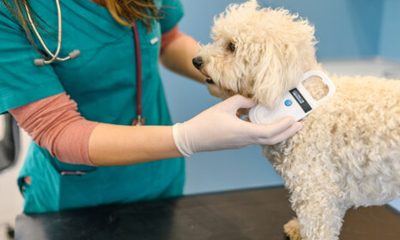
- Make sure your pet has proper and up-to-date ID tags and a microchip, in case you get separated.
- Contact your veterinarian for advice on how to keep your pet calm during weather emergencies.
In the sizzling heat of summer:
- Walk your dog early in the morning and/or later in the evening.
- Make sure to bring plenty of water with you.
- Stay on grassy areas with shade whenever possible.
- Be mindful not to leave your dog outside longer than necessary – even if they want to stay outside in the sun.
- Keep the air conditioning on indoors.
- If a pet has light skin or thin fur, apply some pet-safe sunscreen.
- Always watch a pet in a pool, and use a life vest in deep water.
- Contact your veterinarian immediately if your pet shows signs of heat stress, which include excessive panting or drooling, increased heart rate, pale gums, lethargy, fever, vomiting, or difficulty breathing.
Log on to www.avma.org for more valuable information about pets, summer heat, and disaster preparedness planning.









Pet Care
Tips to keep pets safe and happy no matter the season
The American Veterinary Medical Association (AVMA) is reminding everyone to keep pets safe no matter the season, and to think twice before gifting a pet as a surprise.

Special occasions can be a magical time, but they can also present hidden pet hazards and difficult decisions for pet owners and gift-givers. The American Veterinary Medical Association (AVMA) is reminding everyone to keep pets safe no matter the season, and to think twice before gifting a pet as a surprise.
“Holiday celebrations often mean delicious foods, beautiful decorations, and friends and family, which can be wonderful for us but may pose unexpected risks to our pets,” says Dr. Michael Q. Bailey, president of the AVMA. “The best gift you can give your pet… is the gift of good health and safety, which means keeping seasonal hazards out of reach, providing a quiet space away from the hustle and bustle, and ensuring emergency plans are in place in case the unexpected happens.”
Common hazards for pets include chocolate, baked goods (especially those containing the sugar substitute xylitol), table scraps, and certain seasonal plants like lilies, holly, and mistletoe. Tinsel, candles, electrical cords, and trees can also lead to injuries or worse if pets decide to investigate too closely.
Thinking about gifting a pet? Think again.
While the idea of a new puppy or kitten under the tree may warm hearts, the AVMA cautions against surprising someone with a live animal. Pets are long-term commitments that require a significant amount of time, planning, financial resources, and emotional investment.
“Bringing a pet into someone’s life is a decision that should never be made impulsively, and never without the foreknowledge of the recipient,” says Dr. Bailey. “Pets can bring immense joy, but they also require daily care, training, veterinary visits, and love for many years. A better option might be wrapping up a collar, toy, or gift certificate, and involving the future pet owner in choosing their new companion when the time is right.”
Instead of gifting a live animal, the AVMA recommends more thoughtful alternatives, such as:
- A leash or collar with a note promising a trip to a shelter or reputable breeder
- Books on pet care or breed characteristics
- A donation in the recipient’s name to a local animal shelter
Healthy gift ideas for pets
If your own pets are on your holiday list, the AVMA suggests practical and healthy gifts, such as:
- A veterinary wellness exam
- Toys that encourage exercise and mental stimulation
- Nutritional treats made for pets
- Updated parasite prevention
- Pet insurance
- A microchip (or updating existing chip info)
“Even something as simple as a microchip can be a lifesaving gift if your pet ever becomes lost,” adds Dr. Bailey. “It’s a gift that lasts a lifetime, and helps to ensure that you will be reunited if you and your pets become separated.”
For more holiday pet safety tips and resources, visit AVMA.org/holiday.
Pet Care
Plant-based dog foods are better for the environment than red meat options
Plant-based diets for pets had the lowest impact across all measures of environmental impact. This included the land needed to produce them, greenhouse gas emissions, the polluting effects of production on soil and water reservoirs, and freshwater withdrawal.

A study, led by experts at the University of Nottingham, has found that the production of meat-based pet foods has a much greater impact on the environment in comparison to plant-based alternatives.
The study, led by Rebecca Brociek from the School of Veterinary Medicine and Science, and published in Frontiers in Nutrition – Nutrition and Sustainable Diets, showed that plant-based diets for pets had the lowest impact across all measures of environmental impact. This included the land needed to produce them, greenhouse gas emissions, the polluting effects of production on soil and water reservoirs, and freshwater withdrawal.
Pet food production contributes substantially to global environmental issues, driven largely by animal-derived ingredients.
In this study, experts quantified the environmental impact of 31 commercially available dry dog foods purchased in the UK, categorised as plant-based, red-meat based and veterinary-renal diets.
The environmental metrics were estimated using life cycle assessment datasets and adjusted for ingredient makeup, energy density and differences in moisture content, which were mostly taken from the dog food packaging.
The results showed that plant-based diets had the lowest impact across all measures of environmental impact. Poultry-based and veterinary diets were intermediate, while beef and lamb-based foods had substantially higher impact compared to all other foods.
For example, over nine years of adult life, a 20kg dog fed a beef-based diet was estimated to require 57 football fields worth of land to grow their food (versus 1.4 fields for plant-based).
This latest study comes after a previous study where the team showed that plant-based pet food sold in the UK provided similar nutrition to meat-based food.
“Our findings show that there is a much greater environmental impact when producing meat-based pet food.
“We have already show in our previous work that plant-based diets at the point of purchase are roughly equivalent to others. This next paper is a case study of 31 supermarket-available dog foods, giving dog owners who factor sustainability into their purchases, guidance on how to also reduce their environmental pawprint,” says Rebecca, the lead author on the study.
Pet Care
Back-to-school season can be ruff on pets
The “back-to-school blues” can affect dogs and cats alike, but there are things you can do to help ease their transition.

After a summer of lazy mornings, long walks, and extra attention from the kids at home, the sudden shift to hectic mornings, rushed drop-offs, and quiet households during the day can be confusing and stressful for our furry companions. The “back-to-school blues” can affect dogs and cats alike, but there are things you can do to help ease their transition.
Pets Feel the Change
Dogs and cats thrive on routine and companionship. When their human family suddenly disappears during the day, they may experience boredom and separation anxiety, or changes in appetite and behavior.
Easing the Transition
1. Gradual Changes
If your kids haven’t started school yet, start adjusting your pet’s routine one to two weeks before school starts. Slowly shift feeding, walking, and play times to match the upcoming schedule. Making incremental changes will make the adjustment feel less abrupt for our pets.
2. Spend Quality Time in the Morning and Evenings
Spend a few minutes each morning playing with or walking your dog. This gives pets a positive start to the day and reinforces their bond with the family. Exercising your dog in the morning also helps them burn off nervous energy so they can nap during the day. After school and work, be sure to give pets plenty of love, attention, and exercise. A walk, cuddle session, or playtime helps them feel valued and part of the family again.
3. Keep Them Busy and Distracted
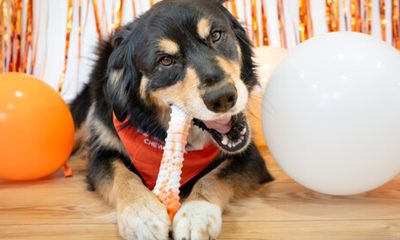
Turn on the TV or radio to help make the house less quiet. Give your pet a puzzle toy and a new chew toy to keep them busy when they are home alone. Besides making a variety of chews to match your dog’s needs and preferences, Nylabone makes innovative treat toys designed to keep your dog entertained longer. Their Stuffable Cone Dog Treat Toy and Fillable Peanut Dog Chew Toy allow you to put treats in the toy so your dog can stay preoccupied for hours trying to get the treats out. And as a bonus, in celebration of their 70th birthday, Nylabone is donating a chew toy to Best Friends Animal Society for every purchased Nylabone. In addition to helping your dog stay busy, you’re helping enrich a shelter pet’s life. For more information or to upload your receipt go to: NylaboneCares.com
4. Give Them a Cozy New Bed
Buy your dog or a cat a new bed to encourage naps and relaxation while everyone is away. P.L.A.Y has a large selection of cozy, comfortable, and easy to maintain beds. Their California Dreaming Memory Foam Bed has plush bolster sides and a memory foam center cushion to provide extra comfort and support for your pup.
5. Watch for Signs of Stress
Excessive barking, chewing, bathroom accidents, or changes in behavior might be signs of separation anxiety. Consider trying calming products to help decrease your pet’s anxiety. There are all kinds of calming products available nowadays designed to decrease stress and anxiety in dogs and cats. Also consider doggy day care or setting up afternoon dog walks to get some of your pet’s energy out and break up their day. And remember if none of this helps, be sure to contact your veterinarian for help.
Pets Are Part of the Family Too
Back-to-school season is a time of growth and change, not just for children but for the whole household. With a little empathy and effort, your pets can adjust to the new routine and continue to thrive. There is no better way to end the school day, then coming home and being greeted by your four-legged friend waiting at the door.
For more about pet health or some pet-friendly ideas go to https://drruthpetvet.com/.
Facebook @DrRuthMacPete
Instagram @drruthmacpete

Common drug class may increase risk of heart disease

Mindfulness practices found to significantly reduce depression symptoms, especially for those with early-life adversity

Exercise to treat depression yields similar results to therapy

Aerobic exercise may be most effective for relieving depression/anxiety symptoms

High-fiber diet linked to reduced risk of heart disease in night shift workers

Two types of underconfidence linked to anxiety and gender

Checking the charm of Baguio City’s Café by the Ruins

Sleeping in on weekends may help boost teens’ mental health

Breastfeeding may lower mums’ later life depression/anxiety risks for up to 10 years after pregnancy

Creativity feels great — until tomorrow
Creativity feels great — until tomorrow
High-fiber diet linked to reduced risk of heart disease in night shift workers
Sleeping in on weekends may help boost teens’ mental health
Exercise to treat depression yields similar results to therapy
Checking the charm of Baguio City’s Café by the Ruins
Two types of underconfidence linked to anxiety and gender
Aerobic exercise may be most effective for relieving depression/anxiety symptoms
Mindfulness practices found to significantly reduce depression symptoms, especially for those with early-life adversity
Breastfeeding may lower mums’ later life depression/anxiety risks for up to 10 years after pregnancy
Common drug class may increase risk of heart disease

-
 NewsMakers3 weeks ago
Creativity feels great — until tomorrow
-
 NewsMakers3 weeks ago
High-fiber diet linked to reduced risk of heart disease in night shift workers
-
 NewsMakers3 weeks ago
Sleeping in on weekends may help boost teens’ mental health
-
 Wellness3 weeks ago
Exercise to treat depression yields similar results to therapy
-
 Destinations3 weeks ago
Checking the charm of Baguio City’s Café by the Ruins
-
 NewsMakers3 weeks ago
Two types of underconfidence linked to anxiety and gender
-
 Wellness3 weeks ago
Aerobic exercise may be most effective for relieving depression/anxiety symptoms
-
 NewsMakers2 weeks ago
Mindfulness practices found to significantly reduce depression symptoms, especially for those with early-life adversity