
NewsMakers
People using vapes and cigarettes are less likely to quit and often switch to just smoking
Over a period of four to eight months, 30% of dual users switched to cigarettes only. Between eight and 16 months, 47% of dual users switched to cigarettes only. Between 16 and 24 months, the proportion was 58% and after 24 to 48 months, the proportion was 55%.


People who use both vapes and cigarettes are less likely to quit compared to people who only smoke or only vape, according to a study published in ERJ Open Research. Instead, the research suggests that over time, most of these ‘dual users’ tend to revert to only smoking cigarettes.
The researchers say their findings suggest that taking up vaping while continuing to smoke will probably not help people to stop smoking.
The study, by researchers from Germany, the USA and Denmark, was authored by Josef Hamoud from the University Medical Center Göttingen, Germany. It is a systematic review and meta-analysis, meaning researchers reviewed all existing research on people using both vapes and cigarettes and combined the data into one study.
Hamoud said: “Vaping has become widespread among adolescents and adults worldwide. Given the extensive marketing of vapes as healthier alternatives to conventional smoking, they have gained popularity among people trying to quit smoking. Some people are using them in addition to their conventional cigarettes, classifying them as dual users.
“There is still a lot we don’t know about the long-term health effects of vaping. However, credible studies have already delivered concerning results indicating that dual use might be even more harmful than conventional smoking.”
The review brings together 16 individual studies looking at whether groups of dual users went on to quit smoking, switch to vaping only, switch to smoking only or continue dual use over time. The analyses incorporate data on up to 9,337 people including 2,432 dual users.
When researchers compared dual users with people who only smoked cigarettes or only vaped, they found that dual users were less likely to quit completely. Over time, the analysis showed that the majority of dual users reverted to smoking conventional cigarettes.
The proportion of dual users who quit completely was 3% over a period of four to eight months, 5% by eight to 16 months, 13% by 16 to 24 months and 24% by 24 to 48 months. This compares to 6%, 7%, 17% and 25% respectively over the same time periods in people who only smoke and 8%, 19%, 26% and 35% respectively in people who only vape.
Over a period of four to eight months, 30% of dual users switched to cigarettes only. Between eight and 16 months, 47% of dual users switched to cigarettes only. Between 16 and 24 months, the proportion was 58% and after 24 to 48 months, the proportion was 55%.
Most dual users continued to use cigarettes across the time periods. Combining those who continued dual use with those who transitioned to smoking only, the total proportion using cigarettes ranged from 90% to 63%.
The researchers also point out that over the medium term (eight to 16 months), 38% of dual users were still using both vapes and cigarettes. “This cannot be considered a simple ‘transitional state’, but rather a risk for prolonged double exposure,” Hamoud said.
He continued: “Given these findings, we believe that dual use might prove to be a major hinderance in achieving smoking abstinence and this practice should not be recommended for treating nicotine addiction. In addition, while long term health effects of vapes need to be studied further, the double exposure to large amounts of nicotine and toxicants from both conventional cigarettes and vapes are a great concern for public health.”
The researchers say that because they were combining several studies, each with a slightly different approach, it was not possible to categorise different types of dual use, such as people who mostly smoke but occasionally vape.
Hamoud added: “While it may have been argued that heavy smokers might benefit from dual use by reducing their daily cigarette consumption, the high nicotine content of vapes adds to the risk of continued nicotine addiction. Future studies must further stratify dual-use groups to investigate the health implications over time.”
Dr Filippos Filippidis is Chair of the European Respiratory Society Tobacco Control Committee, a reader in public health at Imperial College London, UK, and was not involved in the research. He said: “We know that vaping is commonplace and that many people use e-cigarettes as well as cigarettes, often in the hopes of cutting down on smoking or quitting the habit. This large study examined all existing evidence on dual users, and it showed that, for most people, this is not a stepping stone to quitting”.
“Nicotine in vapes is highly addictive, so we need to do all we can to discourage non-smokers from starting to vape. E-cigarettes may have a role in smoking cessation for some people, but we need to make sure appropriate support is freely available to help people to quit, as it’s clear that many end up being dual users, which can actually undermine smoking cessation attempts.”


NewsMakers
Could your oral health be affecting fertility?
Chronic oral inflammation may impair female fertility by triggering a systemic immune response that affects the ovaries. A new study shows this leads to oxidative damage, reduced egg quality, disrupted follicle development and reduced live birth rate. These findings point to a potential biological link between oral health and unexplained infertility, opening new directions for future treatments.
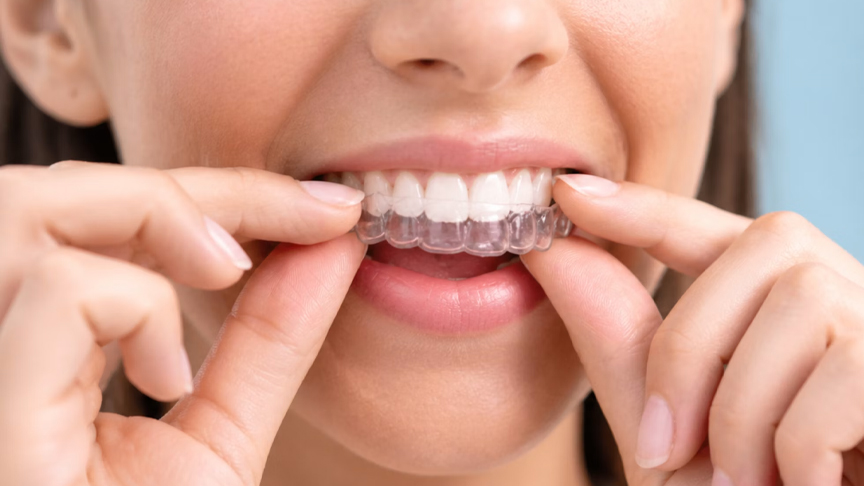
A new study led by Prof. Michael Klutstein at the Hebrew University of Jerusalem and Prof. Asaf Wilensky at the Hebrew University-Hadassah Medical center and spearheaded by the students Dr. Paz Kles and Stephen Ameho has uncovered a striking biological link between chronic oral inflammation and female fertility, suggesting that conditions in the mouth may have far-reaching effects on reproductive health.
Published in the Journal of Dental Research, the study shows that persistent inflammation in the oral cavity can impair ovarian function, reduce egg quality, and ultimately lower fertility rates.
Researchers examined in a mouse model inflammation associated with dental implants, a common clinical scenario, and tracked how immune signals spread throughout the body. Their findings reveal that inflammation does not remain confined to the oral cavity but triggers a systemic immune response that reaches the ovaries.
The consequences were significant. Chronic oral inflammation in the animals was linked to increased levels of inflammatory cytokines in the ovaries, along with shifts in immune cell populations. This was accompanied by oxidative damage to ovarian tissue, impaired development of follicles, and reduced quality of oocytes.
These biological changes translated into measurable reproductive outcomes, with markedly reduced birth rates observed under inflammatory conditions in the animals.
The study also identified deeper cellular effects. Oocytes exhibited DNA damage and epigenetic alterations resembling those seen in reproductive aging, pointing to a possible mechanism by which inflammation accelerates the decline in fertility.
“Inflammation is often thought of as a localized response, but our findings show that it can have systemic consequences that extend as far as the reproductive system,” said Prof. Michael Klutstein. “This work suggests that chronic oral inflammation may be an underrecognized factor in female infertility, potentially contributing to cases that currently have no clear explanation.”
The findings add to growing evidence that oral health is closely linked to overall health. Chronic oral inflammatory conditions such as periodontitis are widespread and have already been associated with a range of systemic diseases.
The researchers note that further investigation in clinical settings will be essential to determine how these findings translate to patient care. If confirmed, the work could open new avenues for diagnosis and treatment, including the use of anti-inflammatory or antioxidant approaches to improve fertility outcomes.
NewsMakers
Maintaining a healthy heart may require regular doses of positivity
The findings of this study further point to the importance of attending to mental and behavioral health for cardiovascular disease prevention and cardiovascular health optimization.

Positive psychology interventions such as mindfulness, gratitude journaling and optimism training can consistently improve blood pressure, inflammation markers and other cardiovascular disease risk factors within a matter of weeks, a recent study found. However, since these benefits are associated with lifestyle changes such as eating healthier and greater physical activity, the researchers suggested that ongoing reinforcements may be needed to stay on course long term.
Rosalba (Rose) Hernandez, a professor of social work at the University of Illinois Urbana-Champaign, led a team that analyzed the findings of 18 randomized controlled trials that used positive psychological and mindfulness interventions to enhance mental or physical health.
The programs that the team reviewed included individual methods — such as structured telephone sessions, journaling with brief check-ins and digital platforms such as apps and text messaging — and interactive in-person group sessions, as well as hybrid formats that blended these with online tools and virtual meetings. Most of the programs consisted of weekly sessions and at-home activities that reinforced the skills taught, with the majority of programs lasting from six to 12 weeks, the team found.
In general, the programs included 50-200 adults with elevated cardiovascular risk factors such as uncontrolled hypertension, heart failure or other conditions. Typically, the participants were in their late 50s to mid-60s, and women comprised 35-55% of the samples across those studies that reported their participants’ gender, according to the researchers.
“In hypertension and postacute coronary syndrome cohorts, mindfulness-based programs delivered over an eight-week period reduced systolic blood pressure and lowered inflammatory markers such as high-sensitivity C-reactive protein and fibrinogen,” said Hernandez, who is a Fellow of the American Heart Association. “A 12-week spirituality-based digital intervention achieved one of the largest reductions — reducing systolic blood pressure measured with a standard cuff by 7.6 points, and central systolic pressure — which is measured in the aorta as it leaves the heart — by 4.1 points.”
In prior research on positive psychology interventions, scientists seldom defined the dose that was needed to obtain the beneficial effects, Hernandez said. She and the team members sought to clarify the frequency and duration that was most likely to improve individuals’ cardiovascular health.
Programs that had more frequent contact with their participants yielded the most consistent physiological benefits, underscoring the opportunity to embed positive psychological strategies into long-term cardiovascular care, Hernandez said.
The team found that the strongest behavioral improvements were achieved by an eight-week program delivered over WhatsApp that combined weekly sessions with daily microtasks, motivating participants to engage in greater physical activity, eat a healthier diet and take their medication as prescribed. A program that included motivational interviewing succeeded in increasing cardiac patients’ levels of physical activity by 1,800 steps a day and their medication adherence, while the mindfulness programs improved participants’ activity levels and diets only, according to the study.
“The therapeutic dose that was most consistently linked with improvements in blood pressure, inflammation and endothelial function was daily practice reinforced by weekly sessions over eight to 12-week periods,” Hernandez said. “Therapeutic dosing typically involved high-frequency dosing over this time period to obtain short-term physiologic benefits, while ongoing less-intensive contact may be needed to sustain behavioral change.”
Published in the journal Cardiology Clinics, the study was co-written by University of South Florida social work professor Soonhyung Kwon; Alyssa M. Vela, a professor of surgery and of psychiatry and behavioral sciences at Northwestern University Feinberg School of Medicine; and Katharine S. Edwards, a professor of cardiovascular medicine and of psychiatry and behavioral medicine at Stanford Medicine.
“The findings of this study further point to the importance of attending to mental and behavioral health for cardiovascular disease prevention and cardiovascular health optimization,” Vela said. “This speaks to the need for routine screening and integration of cardiac behavioral medicine to allow for access to important interventions.”
The current study adds to a growing body of research linking psychological well-being — including traits such as optimism, positive affect and gratitude — with cardioprotective benefits.
NewsMakers
Heart disease risk may start in the womb, study finds
Young adults whose mothers had high blood pressure during pregnancy — either pregnancy-associated hypertension, pre-eclampsia or eclampsia — had more signs of early arterial injury, higher blood pressure, higher body mass index and higher blood sugar than peers.

A child’s future heart health may be partially shaped before they are born, reports a new Northwestern Medicine study that found pregnancy complications are linked to poorer cardiovascular health in offspring more than 20 years later.
The study found that young adults whose mothers had high blood pressure during pregnancy — either pregnancy-associated hypertension, pre-eclampsia or eclampsia — had more signs of early arterial injury, higher blood pressure, higher body mass index and higher blood sugar than peers.
The authors said the study adds to growing evidence that cardiovascular risk may be transmitted across generations through a combination of biological, environmental and behavioral factors.
“That means we must make sure people maintain good health from childhood into young adulthood, so that if or when someone becomes a parent, they pass on the best opportunity for good health to their children,” said study senior author Dr. Nilay Shah, assistant professor of medicine in the division of cardiology at Northwestern University Feinberg School of Medicine.
How the study was conducted
Shah and colleagues evaluated nearly 1,350 mother-child pairs from the Future of Families and Child Well-Being Study, which enrolled mothers and children at birth between 1998 and 2000 across 20 U.S. cities. The children were then followed into adulthood.
Using delivery hospitalization records, the Northwestern scientists first identified whether mothers experienced pregnancy complications, including high blood pressure during pregnancy, gestational diabetes (high blood sugar during pregnancy) or preterm birth (before 37 weeks of pregnancy).
The three pregnancy complications are on the rise, and affect almost one in four pregnancies in the U.S.
The research team then analyzed cardiovascular health of offspring at age 22, using blood pressure measurements, blood testing, body mass index assessments and carotid artery ultrasounds to look for signs of artery injury.
Finally, the scientists compared participants with and without exposure to each pregnancy complication and adjusted for factors like income, education, difference in birth weight and smoking during pregnancy.
Key findings
At around age 22, participants whose mothers had high blood pressure during pregnancy had:
- Higher body mass index (+2.8 BMI points)
- Higher diastolic blood pressure (+2.3 mm Hg)
- Higher blood sugar levels (+0.2% HbA1c)
- Thicker artery walls (~0.02 mm)
While the difference in artery wall thickness may seem small, the study authors said it corresponds to roughly three to five years of additional vascular aging. That means arteries looked older and less healthy than expected, which raises the risk of future heart disease.
Other pregnancy complications also showed some long-term effect:
- Exposure to gestational diabetes was linked to worse blood pressure and some evidence of artery thickening
- Being born preterm was associated with higher blood sugar levels
‘Most heart disease is preventable’
With pregnancy complications on the rise in the U.S., Shah said the study provides compelling evidence that improving health before and during pregnancy could help reduce heart disease risk in the next generation.
“There is evidence that both parents’ health at the time of conception and during pregnancy influences a child’s health,” he said. “So, promoting health from an early age, like exercising regularly, eating healthfully, never smoking and getting enough sleep, is not just meant for an individual, but doing so may help future generations be healthier, too.”
Shah also emphasizes that risk is not destiny.
“The good news is that most heart disease is preventable,” he said. “If you experienced high blood pressure or high blood sugar during pregnancy, or your child was born early, it does not absolutely mean that your child will have worse health as adults. But I would encourage you to pay attention now to your child’s health behaviors.
“What children learn in childhood sets the stage for their health across their lives. If you are wondering whether your children’s behaviors are healthy, or are considering making a change, please speak with your child’s pediatrician for advice and guidance.”
Other Northwestern co-authors include Emily Lam, Abigail Gauen, Dr. Sadiya Khan, Alexa Freedman and Norrina Allen.

Underground discovery: From Heathrow, commute using the Underground to reach central London

Sun Life appoints Bianca Ilibasic as Managing Director, Sun Life Global Solutions

Living with cats does not worsen asthma in children, suggests study

Off to Bulacan only to be underwhelmed (and stressed) at The Beef Deli-Malolos

Manulife continues legacy of service in PH with Impact Week 2026

Could your oral health be affecting fertility?

Maintaining a healthy heart may require regular doses of positivity

Checking the historic Charlie wanton resto in Mandaluyong

Manulife launches GoalReady health solutions

Investing in employee health leads into a stronger, more productive workplace

Healthier brains may be more resilient to early Alzheimer’s disease

Checking the café vibe of Filipino-ish Yellow Bird resto

Heart disease risk may start in the womb, study finds

Viagra could hold key to halting Peyronie’s disease

Grape consumption linked to changes in gene expression and improved skin health

Is ‘yo‑yo dieting’ really harmful? New analysis challenges long‑standing assumptions about weight cycling
Manulife launches GoalReady health solutions
Off to Bulacan only to be underwhelmed (and stressed) at The Beef Deli-Malolos
Checking the historic Charlie wanton resto in Mandaluyong

Checking the wind turbines of Pililla… since there’s not much else being offered

-
 NewsMakers4 weeks ago
Healthier brains may be more resilient to early Alzheimer’s disease
-
 Destinations4 weeks ago
Checking the café vibe of Filipino-ish Yellow Bird resto
-
 NewsMakers4 weeks ago
Heart disease risk may start in the womb, study finds
-
 NewsMakers4 weeks ago
Viagra could hold key to halting Peyronie’s disease
-
 NewsMakers4 weeks ago
Grape consumption linked to changes in gene expression and improved skin health
-
 NewsMakers4 weeks ago
Is ‘yo‑yo dieting’ really harmful? New analysis challenges long‑standing assumptions about weight cycling
-
 Product Showcase3 weeks ago
Manulife launches GoalReady health solutions
-
 Destinations2 weeks ago
Off to Bulacan only to be underwhelmed (and stressed) at The Beef Deli-Malolos