
NewsMakers
Can you sleep with contact lenses in?
Do not wear contact lenses for at least one full day to allow your eyes to heal. Contact your eye care provider immediately if you notice any symptoms of infection or discomfort.


Contact lenses are wonderful because they provide a near-normal vision experience without corrective glasses. But they can be easily forgotten. When preparing to sleep, even for a nap, is not the time to forget about them.
To help contact lens wearers understand the implications of sleeping in their lenses, Lens.com published an informative guide.
Can you sleep in contact lenses?
Did you know that sleeping with regular contact lenses can result in severe infection and put you at risk for vision loss? Some contact lenses, like extended wear contacts, are meant to be worn overnight. However, many are not. You can only sleep in contact lenses designed for overnight wear, such as Acuvue Oasys with Hydraclear Plus, which is approved for up to six consecutive nights of wear.
Contact lenses are medical devices that require proper care and handling to avoid severe side effects. Yet, as little as two percent of contact lens wearers report following their eye care provider’s instructions.
What happens if you sleep with contacts lenses in?
It’s important to know the implications of sleeping in contact lenses not designed for extended wear or if they are left in too long.
- Eye Infections. Eye infections are the most significant risk of sleeping in contact lenses not approved for extended wear. When you sleep in your contact lenses, your risk of contracting eye infections increases six to eight times. The most common infection is called conjunctivitis or pink eye. This common eye infection is mainly caused by wearing contact lenses overnight, but it can also be caused by allergies or coming into contact with someone who has it. Sleeping with your contact lenses makes you more susceptible to pink eye because your contact lenses can leave microscopic tears on your cornea, thus increasing your odds of bacteria entering and getting trapped in your eye and leading to infection.
- Hypoxia. Oxygen is essential for the healthy function of your eyes. There are no blood vessels in your corneas (the clear tissue at the front and center of your eye), which means they get their oxygen directly from the air. Contact lenses reduce the amount of oxygen that reaches your cornea. Now imagine sleeping with contact lenses in your eyes. With our eyes shut and contact lenses, the amount of oxygen is greatly restricted and can lead to hypoxia of the eye. This extreme oxygen deprivation can cause warping, scarring, pain, and vision loss.
- Corneal Ulcers. If your contact lenses are not taken out and cared for properly, you may cause so much irritation that you cause corneal ulcers, or open sores on the cornea, to form. These ulcers can even become so severe that they require a corneal transplant using donor tissue. Those who sleep with contact lenses not approved for extended wear are five times more likely to develop corneal infections, permanently damaging their vision.
- Contact Lens-induced Acute Red Eye (CLARE). Tight Lens Syndrome or Contact Lens Overwear Syndrome is usually marked by light sensitivity, redness, tearing, and decreased vision. When a contact lens fits too tightly, it will stick to the cornea like a suction cup, and this will cause the cornea to swell. If not treated, You could be at risk for a severe infection that can cause a corneal ulcer leading to permanent scarring and vision loss. Contact lenses are like tiny sponges; they expand when they are moist and shrink when they dry out.
- Giant Papillary Conjunctivitis (GPC). Wearing your contact lenses for prolonged periods or overnight can cause bumps to form underneath your eyelids called GPCs. If you wear your contacts while you sleep, you have the greatest chance of experiencing this unpleasant condition. These bumps can result in your contact lenses no longer fitting properly. If this happens, your eye care provider may ask you to stop wearing your contact lenses for a week and see if your symptoms subside.
Why does sleeping with contact lenses increase your risk of an eye infection?
After wearing your lenses all day long, napping or falling asleep means your lenses have collected pollutants, bacteria, and dirt that could increase your risk of complications. As your eye and contact lens becomes dehydrated in your sleep, the lens starts to shrink and tear at your cornea, and these microscopic tears allow an entry point for bacteria to get into your eye. Sleeping in contact lenses increases your chance of getting an eye infection six to eight times.
What to do if you accidentally sleep with contact lenses in?
Attempt to remove your contact lenses as soon as you’ve discovered that you’ve fallen asleep with them in your eyes. Make sure you follow your standard hygiene practices. If you cannot remove them easily, stop! Tugging at a dehydrated lens attached to your eye can cause tearing. Instead, place several drops of sterile contact solution on your eyes or lubricating drops. Blink several times. And try again.
After successfully removing your contact lenses, pay attention to how your eyes feel. Do not wear contact lenses for at least one full day to allow your eyes to heal. Contact your eye care provider immediately if you notice any symptoms of infection or discomfort. The signs of an eye infection are blurred vision, redness, excessive watering, and discharge from the eye. If you think you have an eye infection, your eye doctor may want to test your contact lenses, so be sure to take those with you when you visit.
Always practice safe habits following the guidelines your eye care professional provided and check with them whenever you’re in doubt.
If you are guilty of sleeping or taking naps in your contact lenses, it’s time to change your eye care routine. You may want to consider taking out your contact lenses after dinner and switching to eyeglasses so you don’t forget them before bedtime. If you are a fan of naps or have an unpredictable schedule, visit your eye care provider and ask if extended-wear contact lenses are for you. You can browse all the contact lenses you sleep in at Lens.com.
Why are some contact lenses FDA-approved for overnight or extended wear while others aren’t?
The simplest reason why not all contact lenses are FDA-approved for overnight wear is that contact lens manufacturers have to apply for FDA approval. Applying for FDA approval is a lengthy process that requires submitting studies and research documents and passing clinical trials. If a manufacturer wants FDA approval, they’d have to spend considerable time and resources.
Another reason is that contact lenses designed for overnight wear are made of thinner material compared to daily wear contact lenses.
Many contact lens brands that are FDA-approved for overnight wear are made with silicone hydrogel, which is significantly more breathable than standard hydrogel. Silicone hydrogel allows for much better oxygen transmissibility, which is essential when wearing contact lenses for extended periods.
Which contact lenses can you sleep in?
You can only sleep in contact lenses that are designed for overnight wear. Popular contact lenses rated for overnight usage include:
- Acuvue Oasys with Hydraclear Plus can be worn daily for two weeks or continuously for up to six nights and seven days, after which they must be removed, disposed of, and replaced with a new pair of lenses. These contact lenses feature Acuvue’s innovative Hydraclear Plus. Inspired by how the eye’s tear film works, this wetting agent keeps the contacts wet and smooth for all-day comfort. These contacts block more than 99 percent of UVB and 95 percent of UVA rays – some of the highest levels you’ll find on the market today.
- AirOptix plus HydraGlyde combines two unique technologies into one lens: SmartShield Technology and HydraGlyde Moisture Matrix technology. SmartShield Technology creates an ultra-thin protective layer to help shield your lenses from deposits and provides long-lasting comfort. HydraGlyde Moisture Matrix, on the other hand, attracts and maintains surface moisture on the lens for up to 16 hours. SmartShield Technology and HydraGlyde Moisture Matrix technology make Air Optix plus HydraGlyde very comfortable.
- Biofinity contact lenses bring a remarkable balance of comfort and breathability in a monthly disposable lens. They are FDA-approved for extended wear, meaning they can be worn continuously for up to six nights and seven days before they need to be replaced. These contacts feature CooperVision’s patented Aquaform® Technology, which locks in water so you can enjoy all-day comfort. They also have smooth, rounded edges, enhancing comfort by minimizing interaction between your contact lenses and eyelids.
- PureVision 2 HD contact lenses are another popular brand rated for night and day wear. Featuring Bausch + Lomb’s innovative High Definition™ Optics, these contact lenses help you see enhanced contrast, sharper details, and reduced glare, even in low light conditions. They reduce halos and give a crisp, clear vision while using digital devices or in low-light conditions. They’re made of a silicone hydrogel lens material that allows plenty of oxygen to reach your eyes, which they need to stay white and healthy.
Curious to see all the contact lenses you can sleep in? Visit Lens.com to learn more.
The lenses above have been approved by the FDA for use while asleep. If you already wear these contact lenses, ask your eye care provider before using contacts during sleep. Each individual’s eye health is different and your eye care provider needs to evaluate the overall health of your eye before approving overnight use.
Can you nap while wearing contact lenses?
Generally, no, you should not nap or sleep with contact lenses. This applies to all contact lens brands and types, unless specified. Falling asleep with your contact lenses could lead to infection and irritation. While modern soft contact lenses have incredible technology to ensure enough oxygen passes through the lenses in daily wear, having your eyes closed while you sleep reduces available oxygen and prevents tears from washing your eye under the contact lenses. This can potentially cause problems to your eyes through hypoxia of the eyes unless you use specific lenses designed for extended wear, as directed by your eye care professional.
Everyone faces different challenges when getting through each day, but some days are occasionally a tad more exhausting than others. Whether you are a new parent, finishing up work for a deadline, studying for an important exam, or going through health issues that keep you lethargic all day long, there’s one thing we can all agree on, and that is a nap. Studies have shown that naps boost productivity by improving alertness, performance, and mood.
Rather than avoid taking naps, consider talking to your doctor about changing your prescription to an extended-wear contact lens.
What if I fall asleep with the contact lenses for just 10 minutes?
The duration does make a difference, but it is not the only factor to consider. In general, the more time spent sleeping in contact lenses, the greater the risk that you will develop symptoms of infection or inflammation and suffer from the more severe consequences. For example, if you sometimes fall asleep during your work transit or take naps between 10 and 40 minutes long, you are likely not exposing yourself to any long-term health-related risks. You might, however, still experience blurred vision and dry eyes for a short period. If you’re asleep for an extended period of one or more hours, then your contact lenses can dry up in your eyes, which can lead to discomfort or a scratching sensation in your eyes when you open them.
The type of contact lenses you wear matters, too. Silicone hydrogel lenses allow more oxygen to the cornea, so your eyes won’t get sore. On the other hand, hydrogel lenses might cause some redness, irritation, and burning when you wake up– which could even damage your cornea. With shorter naps, these issues are less likely to occur.
The state your eyes are in before falling asleep also matters. If you have been using your contacts only for a few hours before going to bed, then there is a lower risk of your eyes getting irritated than if you have been wearing them all day. This is because contact lenses accumulate dirt and dust, such as when worn for extended periods or throughout the day. However, if you fall asleep with your contacts in the evening and stay in your eyes all night, this is more problematic.
How do you wear contact lenses safely?
Your eye health is just too important to take a chance. Consider speaking with your eye care professional about switching to contact lenses approved for extended wear when in doubt.
If you’ve accidentally slept in your contact lenses for brief periods or rarely, here are tips to help:
- Attempt to remove your contact lenses as soon as you realize you’ve slept in them. But do not sidestep your regular hygiene process, such as washing your hands.
- Always have a backup plan. Carry a spare set of lenses or a pair of eyeglasses. It’s also a good idea to keep contact solution or eye drops in your purse, backpack, or office.
- If you’ve fallen asleep on an overnight trip and realize you didn’t bring your contact lenses or cleaning supplies, find a pharmacy as soon as possible so that you can remove and clean your lenses. At the very least, put in eye drops so your lens can rehydrate and reduce the pressure on your cornea, and it is imperative to remove your lens as soon as possible.
- Never put your contact lenses in your mouth to moisten or clean them. Saliva is not sterile and will increase the risk of an eye infection.
- Before wearing your contact lenses again, ensure they are thoroughly cleaned and inspect them for small tears or other imperfections. If you notice any irregularities, throw them away. And start with a fresh pair. It’s always a good idea to go at least one day without contact lenses if you’ve slept in them; this will give your eyes a chance to recover.
- If you experience any symptoms of an eye infection or discomfort, seek care from your eye care professional.
Always practice safe habits and check with your eye care professional whenever you doubt.







NewsMakers
‘Drunk riding’ behind almost half of fatal electric scooter crashes
Tatal crashes occur mainly in the evenings or through the night, and in all cases, no helmet has been worn.
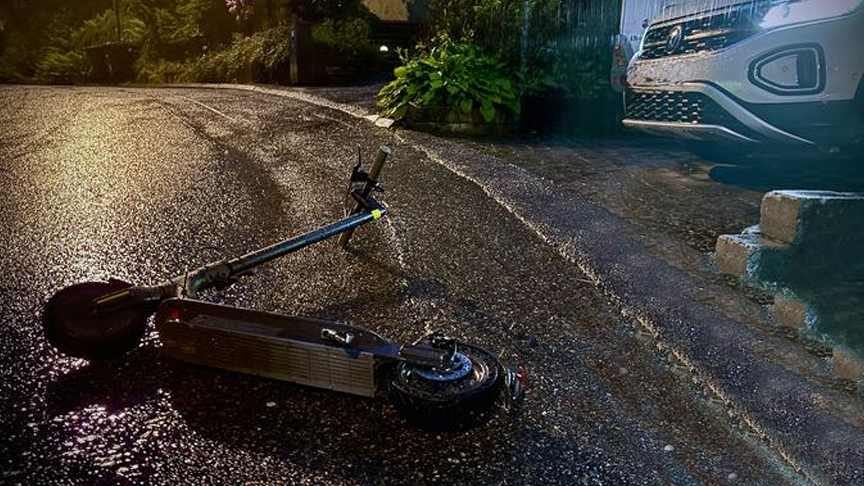
In almost half of all fatal electric scooter crashes in Sweden, the rider has been under the influence of alcohol. These fatal crashes occur mainly in the evenings or through the night, and in all cases, no helmet has been worn. This is shown by a new study from Chalmers University of Technology, in Sweden, and the Swedish Transport Administration. The study also states that most fatal crashes occur with private electric scooters, rather than rentals.
The researchers have analysed all fatal crashes involving electric scooters, electric bicycles and conventional bicycles in Sweden between 2016 and 2024.
Alcohol is often a factor in fatal crashes occurring with all three of these vehicle types – but the figures for electric scooters stand out. Of the fatal e-scooter crashes, 44 per cent of the riders were under the influence of alcohol, compared to 27 per cent among e-bike riders and 13 per cent among cyclists.
More specifically the levels of alcohol in the blood have been shown to be high across all three groups. Of the e-scooter riders that were under the influence of alcohol, the median blood alcohol content was 1.8 per mille. This can be compared to the legal limit of alcohol content in the blood for driving a car in Sweden, which is 0.2 per mille, above which it is considered drunk driving, and 1.0 per mille in the blood which is considered aggravated drunk driving.
“Alcohol intoxication is a common issue among all road users, but it appears to be particularly severe among riders of electric scooters. Not only were many fatally injured e‑scooter riders intoxicated, but their levels of intoxication were also extremely high,” says Marco Dozza, Professor of Active Safety and Road User Behaviour at Chalmers University of Technology, and senior researcher in the study.
Lack of helmets worn in those killed
The study also showed that helmet use in fatal crashes was very low. Of those fatally injured riding an e-scooter, none were wearing a helmet. And for those killed riding an e-bike or a bicycle, only about 25 per cent were wearing a helmet.
Head injuries were the most common cause of death in all groups.
“The numbers speak for themselves. Since the head is the area of the body that is most affected by a fatal injury and almost no one wears a helmet, we have a clear opportunity to save lives. A helmet is not a guarantee but improves the chances dramatically, so we should do everything we can to encourage helmet use,” says Rahul Rajendra Pai, doctoral student at Chalmers and first author of the study.
“I think many people don’t understand the danger of using an electric scooter under the influence of alcohol, and think that the vehicle doesn’t go that fast,” says Marco Dozza. “But it is enough hitting a stone on the road or a small hole in the ground to lose balance, especially when intoxicated, because alcohol slows down cognition and reactions. If you don’t wear a helmet, it may end up even worse”.
Different crash patterns for different vehicles
The study included 204 deaths, and the researchers saw clear differences between the three vehicle types in terms of rider and crash patterns.
In fatal crashes involving ordinary bicycles, the median age of the cyclist was 71 years old. The crashes often occurred on weekdays and usually involved collisions with motor vehicles.
Fatal e-scooter crashes looked different. The riders had a median age of 47.5 years old, and most of the crashes were single vehicle crashes that occurred at weekends, evenings and nights.
According to the researchers, the results indicate the need for measures and regulations to be adapted to the different types of vehicles.
“The typical fatal bicycle crash, with an elderly cyclist being hit by a motor vehicle in daylight, may require completely different countermeasures than the typical fatal electric scooter crash, where a younger rider crashes alone at night while intoxicated,” says Marco Dozza.
Fatal crashes most common with private electric scooters
Almost nine out of ten alcohol-related e-scooter deaths occurred with privately owned vehicles. Public debate and regulations have largely focused on rented electric scooters, and operators have introduced measures such as speed limits and night restrictions. However, these measures do not affect privately owned electric scooters.
According to the researchers, rules and measures can to some extent counteract crashes with electric scooters. Marco Dozza, for example, is leading an ongoing study on how today’s sensor technology in rented electric scooters can make it possible to detect impaired riding ability in real time.
“If a vehicle can identify that its rider is not in control, it is possible to take various measures before a crash occurs. That kind of intelligent intervention can save lives, and is within reach,” he says.
At the same time, he emphasises that neither rules nor sensor technology alone can solve the problem.
“The big challenge with electric scooter riding is social norms and rider behaviour, and this does not disappear with regulations. Training is an important key to understanding how the vehicle should be handled and what you can, and cannot, do.
Rikard Fredriksson, Senior Advisor in Vehicle Safety at the Swedish Transport Administration and co-author of the study, agrees:
“Alcohol is still a major problem for road safety in Sweden. Alcohol is involved in about 20 per cent of all fatal road crashes. This study shows that the number of alcohol-related fatalities involving electric scooters is more than twice as high, at 44 per cent. We are committed to the development of technology to counteract electric scooter driving under the influence of alcohol. It is also important to always wear a helmet, and to use only a vehicle that cannot exceed legal speed,” he says.
The study, “Three modes, three profiles: Characterizing fatal crashes on e-scooters, e-bikes and conventional bicycles in Sweden”, has been published in the Journal of Safety Research. The authors are Rahul Rajendra Pai and Marco Dozza at Chalmers University of Technology, Sweden, as well as Rikard Fredriksson at the Swedish Transport Administration and Chalmers University of Technology.
NewsMakers
Move to quit: Exercise boosts smoking quit rates
Researchers found that people taking part in exercise programs were 15% more likely to achieve continuous abstinence and 21% more likely to report not smoking over a seven-day period, compared with control groups.

A pack-a-day smoker can spend around $14,000 a year on cigarettes, yet despite the financial and health costs, quitting remains one of the most difficult changes many people will ever attempt.
Now, new research from Adelaide University shows that exercise can help people quit smoking by reducing cigarette consumption, easing cravings and improving their chances of quitting.
Researchers found that people taking part in exercise programs were 15% more likely to achieve continuous abstinence and 21% more likely to report not smoking over a seven-day period, compared with control groups.
They also found that exercise could reduce cigarette consumption by two cigarettes per day, and that a single bout of exercise immediately reduced cigarette cravings for up to 30 minutes after exercise.
The systematic review and meta-analysis examined 59 randomised controlled trials involving more than 9000 participants, exploring the effects of both single bouts of exercise and long-term exercise programs on smoking cessation, cravings, withdrawal symptoms and mood.
Globally, tobacco smoking remains the leading preventable cause of premature morbidity and mortality, accounting for about 7 million deaths, including an estimated 1.6 million non-smokers who are exposed to second-hand smoke.
Around the world, e-cigarette use has now reached more than 100 million people.
The researchers say exercise should be viewed as an additional tool that can be used alongside established smoking cessation support.
Lead researcher, Dr Ben Singh said the findings provide smokers with a practical, low-cost tool that can support their quitting journey.
“Quitting smoking is one of the best things a person can do for their health, but it’s also one of the hardest,” Dr Singh said.
“Many smokers want to quit, but the current approaches don’t work for everyone. That’s why we need more strategies that people can incorporate into their daily lives at little or no cost.
“Something as simple as regular exercise can make a meaningful difference to people trying to quit, helping them manage cravings, smoke less and improve their chances of quitting.”
While smoking rates have reduced over the past two decades, demand for e-cigarettes and heated-tobacco products have risen, targeting the younger generation.
Today, 80% of the 1.3 billion tobacco users worldwide live in low- and middle-income countries, yet in contrast, vaping has risen across many OECD countries.
Senior researcher Adelaide University’s Professor Carol Maher said exercise could be used strategically to ward off tobacco cravings.
“Quitting smoking does not have to begin and end with willpower alone,” Prof Maher said.
“Cravings can be difficult to manage, but they often pass. Our review found that even a single bout of exercise can reduce cravings for up to 30 minutes, which may help people get through some of the hardest moments of a quit attempt.
“Exercise should not replace evidence-based quit supports such as counselling and smoking cessation medication, but it may be a practical, low-cost strategy that people can use alongside them.”
The researchers say the next step is to test how exercise can be built into real-world quit programs, including digital, community and clinical services, and to examine whether it can also support people trying to quit vaping, where evidence is currently lacking.
NewsMakers
Why taking a sick day depends on more than being sick
The study revealed a clear divide: workers in casual and fixed term jobs take only around one day of sick leave a year on average, compared with about four days for permanent employees.

As winter illness spreads and households face cost-of-living pressure, many Australians cannot treat a sick day as a simple health decision. They may be too sick to work – but their job is too insecure to stay home.
New research led by the University of Technology Sydney (UTS) shows the decision is heavily influenced by pay, job security and gender. The study, published in Applied Economics, examines how workers’ health and economic circumstances dictate how many sick days they actually take.
“Employers and policymakers often focus on reducing absence, but workers who attend while unwell may recover more slowly, spread infection to colleagues, and be less productive,” said lead researcher Dr Nancy Kong, a Senior Research Fellow at the UTS Centre for Health Economics Research & Evaluation.
Drawing on data from the Household, Income and Labour Dynamics in Australia (HILDA) survey from more than 15,000 Australians between 2005 and 2016, Dr Kong and her co-authors, Dr David Rowell from the University of Queensland and Professor Peter Zweifel from the University of Zurich, examined patterns of sick leave across the workforce.
“We focused on this period to avoid the COVID years, when major changes in public health rules, workplace practices and leave policies occurred at the same time, and could have blurred the relationship between job conditions and sick leave,” said Dr Kong.
The study revealed a clear divide: workers in casual and fixed term jobs take only around one day of sick leave a year on average, compared with about four days for permanent employees.
Even accounting for variables such as occupation, job satisfaction, household circumstances, living arrangements, marital status, education and place of residence, non-permanent workers still take around three fewer sick days each year.
“This does not necessarily mean casual and fixed-term workers are healthier,” said Dr Kong.
“A more likely explanation is that taking time off is riskier when work is insecure. Non-permanent workers may have less access to paid sick leave. They may also worry that saying no to work, even when ill, could affect future hours or their chances of keeping their job.”
“For a permanent employee, staying home with influenza might be inconvenient; but for a casual worker it may trigger financial stress.”
The study also found that economic insecurity plays a role, with workers living in areas with higher unemployment tending to take less sick leave.
For instance, when the local unemployment rate rises by five percentage points, sick leave drops. While this amounts to a fraction of a day per individual, across a standard team this adds up to significant forgone recovery time.
This pattern is consistent with a simple concern: when jobs feel harder to replace, workers may be less willing to take time off.
“They may worry that being absent could make them seem less reliable or increase the risk of losing work,” said Dr Kong.
The effect of wages proved more nuanced. Higher wages alone did not consistently dictate leave behaviour. However, among workers in poorer health, higher wages were strongly associated with taking more sick leave, suggesting higher income earners possess a financial buffer.
“Higher-paid workers generally have workplace support and leave entitlements that mean they are supported to take time off when they are unwell without fear of a potential financial penalty,” said Dr Kong.
The most consistent finding was a distinct gender gap. Across every analysis, men take fewer sick days than women, averaging about half a day less per year (a 23% difference), even when matching with similar health and job circumstances.
“This may reflect differences in health needs, caring responsibilities or how likely people are to seek medical care,” Dr Kong said.
“But it also points to workplace cultures and gender expectations about ‘toughness’, reliability and working through illness.”
Ultimately, the study highlights that sick leave rates are not simply a reflection of physical health. For employers, low sick leave rates should not be automatically viewed as a sign of success; they may also indicate a culture of fear.
“Workplace cultures should not reward people for attending when unwell or treat legitimate sick leave as a lack of commitment,” said Dr Kong.
“Reducing stigma is also particularly important in addressing the gender gap.”
Dr Kong said for policymakers, the study points to the importance of secure work, accessible paid leave and workplace practices that support people to recover when unwell.
This is particularly relevant during periods of increased cost-of-living pressure, workforce shortages and seasonal illness.
“A fair and effective sick leave system should support productivity while ensuring workers do not have to choose between protecting their health and protecting their income.”

‘Drunk riding’ behind almost half of fatal electric scooter crashes

Move to quit: Exercise boosts smoking quit rates

Why taking a sick day depends on more than being sick

Treacherous beauty: Hiking at South Stack Lighthouse in Wales

Omega Healthcare recognized

For every parent who wants to be present: AXA reinforces importance of early health preparedness

Enjoying nature via trail hiking in Wales

Finding beauty, and not just of faith, at the Bangor Cathedral

Checking Llanfair PG, the town that’s long in name and not much else

Underground discovery: From Heathrow, commute using the Underground to reach central London
Underground discovery: From Heathrow, commute using the Underground to reach central London

Sun Life appoints Bianca Ilibasic as Managing Director, Sun Life Global Solutions

Living with cats does not worsen asthma in children, suggests study
Finding beauty, and not just of faith, at the Bangor Cathedral
Enjoying nature via trail hiking in Wales
Checking Llanfair PG, the town that’s long in name and not much else
For every parent who wants to be present: AXA reinforces importance of early health preparedness
Omega Healthcare recognized
Treacherous beauty: Hiking at South Stack Lighthouse in Wales
‘Drunk riding’ behind almost half of fatal electric scooter crashes

-
 Destinations3 weeks ago
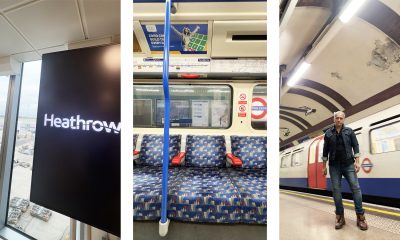
Underground discovery: From Heathrow, commute using the Underground to reach central London
-
 Product Showcase3 weeks ago
Sun Life appoints Bianca Ilibasic as Managing Director, Sun Life Global Solutions
-
 Pet Care3 weeks ago
Living with cats does not worsen asthma in children, suggests study
-
 Destinations1 week ago
Finding beauty, and not just of faith, at the Bangor Cathedral
-
 Travel4 days ago
Enjoying nature via trail hiking in Wales
-
 Destinations1 week ago
Checking Llanfair PG, the town that’s long in name and not much else
-
 Product Showcase4 days ago
For every parent who wants to be present: AXA reinforces importance of early health preparedness
-
 Product Showcase4 days ago
Omega Healthcare recognized