
Pet Care
4 Tips for helping pets in need
For pet owners, their dogs, cats and other pets play an important role in bringing added happiness to their lives. As not every dog and cat is as fortunate, you may be looking for ways to give back and help pets in need.

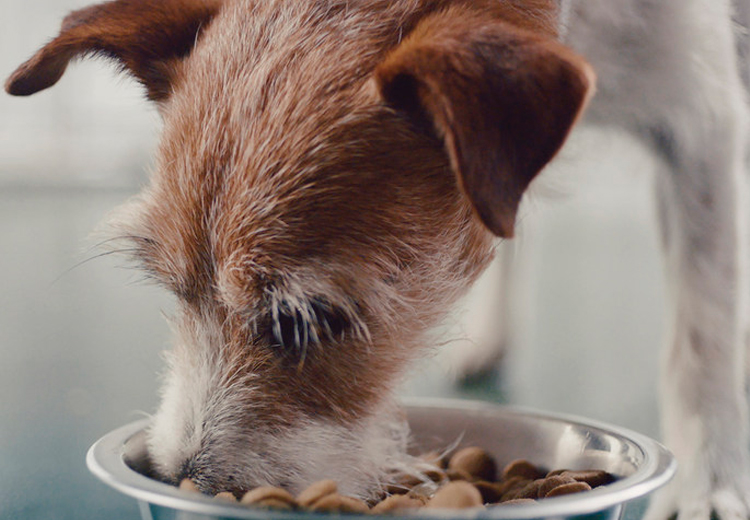
For pet owners, their dogs, cats and other pets play an important role in bringing added happiness to their lives. As not every dog and cat is as fortunate, you may be looking for ways to give back and help pets in need.
As many as 6-8 million pets enter shelters every year across North America alone, according to The Humane Society of the United States. There are numerous ways you can help homeless pets and give back, starting with these tips.
Volunteer at Your Local Animal Welfare Organization
Almost every community has at least one animal shelter or rescue group that needs help. A simple internet search is a good place to start, or ask your veterinarian for recommendations on local organizations that assist pets in need. There are a variety of volunteer opportunities at shelters and rescue organizations, from office duties and community outreach and education to training, feeding and socializing, so people with every skillset are often able to lend a hand.
Donate Supplies
Items such as food, cat litter, cleaning supplies and blankets are almost always in demand at animal shelters and rescues. While pets await adoption, they need access to food, making pet food a significant operating expense for animal welfare organizations.
Foster or Adopt a Pet
As many animal welfare organizations have dogs or cats not suited for living in a shelter atmosphere, fostering a pet in your home is a simple way to give back without the long-term commitment of pet ownership. These pets may be older and in need of a quiet environment or need space to recover from a recent surgery. Of course, if you’re ready for a new pet, your local shelter or rescue organization may have the perfect one waiting for you. Adopting from a rescue or shelter can not only save that pet, but also open a spot in the facility and potentially save another animal as well.
Take Care of Pets at Home
One of the most important things you can do for pets in need is simply not become part of the problem. Be ready for the responsibility before adopting a pet and know that having a pet requires a long-term commitment. Be sure to keep pets fed, watered, groomed and vaccinated, and have your pet spayed or neutered to help avoid pet overpopulation.
Pets give so much to their owners; pay it forward by being a responsible pet parent and giving back to animals in need in your community when possible. Find more ways to get involved at your local shelter or rescue group.
For more information, visit Petsmart.com/giveameal.






Pet Care
Dogs can distinguish between human fear and sadness
Dogs process smiles in a unique brain region and, for the first time, provided evidence that dogs can distinguish between negative facial expressions, including anger, sadness, and fear.

Scientists—and dog lovers—have long known that dogs are remarkably good at interpreting our laughs, frowns, and tears. But the biology behind this ability has remained largely unexplored until now.
In a study published in the Cell Press journal iScience, researchers peered inside the brains of dogs as they viewed images of various human expressions. The brain scans revealed that dogs process smiles in a unique brain region and, for the first time, provided evidence that dogs can distinguish between negative facial expressions, including anger, sadness, and fear.
“Humans are really good at picking up small details on the face, and so are dogs,” says first author Raúl Hernández-Pérez from the University of Vienna. “This makes dogs very interesting. By studying their brains, we can understand what adaptations have developed to support their remarkable social and emotional understanding of humans.”
The researchers first focused on happiness, an expression that previous studies suggest holds particular significance for dogs. They scanned eight dogs while showing them images of strangers with either happy or neutral expressions. The happy faces lit up the temporal cortex and caudate nucleus in the dogs’ brains—regions associated with higher cognitive and reward processing, respectively.
“The activity in the caudate nucleus is particularly interesting,” says Laura Cuaya, also of the University of Vienna, who began the research at the National Autonomous University of Mexico and later expanded it through a collaboration at Eötvös Loránd University in Hungary. “It suggests that happy human faces may have emotional significance for dogs.”
The team then asked whether the same brain regions respond to other emotions. They showed images of people displaying happiness, anger, fear, and sadness to 12 dogs and analyzed their brain activity using machine learning. They found that the dogs did not react in the same to these negative emotions; the temporal cortex-caudate nucleus network responded uniquely to happiness, allowing researchers to easily distinguish brain reactions to smiles from all three negative expressions.
But the canine brain was not merely sorting the world into good and bad, the team found. A whole-brain analysis revealed distinct patterns of activity that separated fear from anger and sadness, providing the first evidence that dogs can distinguish between specific negative facial expressions.
The researchers say that this ability does not mean that dogs experience emotions exactly as humans do. Also, a still photo of a human face doesn’t tell the whole story; in real life, dogs watch human body language, listen to nuances in our voices, and detect information from our scent.
“When we compare humans with primates, we are looking at abilities that may have come from a common ancestor,” says senior author Laura Cuaya of the University of Vienna. “With dogs, the story is totally different. They followed a very different evolutionary path, yet through domestication, they developed the social abilities needed to understand and cooperate with us.”
In this study, the canine participants were all pets from loving families, notes the team. Free-ranging dogs, such as those that live on the street, navigate a very different social world and may process human cues differently.
Next, the researchers plan to adopt a more dog-centric perspective to understand how dogs integrate these brain signals to make sense of the humans around them. Their future work will also compare how human and dog brains process the same emotional signals.
“I would like people to see dogs as emotional beings,” says Cuaya. “They have evolved with us to understand our expressions and cooperate with us, and recognizing that can change how we communicate with and care for them.”
Pet Care
Pet dog microbiota may protect young children from respiratory tract infections and reduce the need for antibiotic courses
Children who have been in contact with dogs in early childhood are on average healthier and require fewer antibiotic courses than children without such contact.

Children who have been in contact with dogs in early childhood are on average healthier and require fewer antibiotic courses than children without such contact. The protective association is explained, at least in part, by the spread of dog-associated microbes in the home.
In the recent study, the presence of specific dog-associated microbes in the home were linked to fewer respiratory tract infections, fewer antibiotic courses and more healthy weeks during the child’s first year of life. The richness and diversity are higher in homes with a dog than in homes without a dog, but these general characteristics of the microbiota were not associated with the incidence of respiratory tract infections or morbidity in the child.
The study shows that certain dog-associated microbes or their combinations can explain up to one quarter of the protective effect of dog ownership on children’s respiratory tract infections, antibiotic use and the number of healthy weeks during the first year of life.
The protective effect of a dog ownership remained also after accounting for other factors known to influence childhood infection risk, including family size, living environment and exposure to tobacco smoke. In addition to the dog’s microbiota, a more outdoor-oriented lifestyle in dog-owning families, shared responsibilities related to caring for the dog and partly similar dietary habits shared among dog owners may influence the microbiota in the home and among its inhabitants, and thereby the development of the child’s resistance to pathogens. These factors were not examined in this study.
“The results strengthen our understanding that the microbial environment during early childhood plays an important role in the development of child’s immune system. It has been suggested that in the future it may be possible to modify the home microbiota in ways that promote health. Our study shows that dog ownership already does this today,” says paediatrician Jenni Mäki.
“Respiratory tract infections in early childhood are a significant risk factor for asthma. When some of children’s respiratory tract infections can be prevented with dog-associated microbes, this may also reduce the child’s risk of developing asthma later in life,” says chief researcher Anne Karvonen.
The LUKAS study included nearly 400 families from Finland. About one third of the families lived on farms, half in rural areas and the rest in towns.
The study was carried out by the Finnish Institute for Health and Welfare, Kuopio University Hospital and the University of Eastern Finland.
Pet Care
Keeping kitty indoors is not the cat-astrophe that owners fear
Owners often need reassurance that the behaviours they see during the transition are temporary and that there are practical strategies – such as providing climbing spaces, scratching posts, toys and opportunities for play – that can help cats adapt successfully.

Moving a pet cat from an outdoor lifestyle to living indoors is easier than many owners expect, according to new research that could help improve feline welfare, protect wildlife, and ease concerns about keeping cats contained.
Australian and New Zealand researchers surveyed 87 cat owners, revealing that most who transitioned their pets to indoor living reported the change was ultimately worthwhile, with the benefits to both cats and owners outweighing the challenges.
The study, published in Applied Animal Behaviour Science, found that while owners initially worried about their cat’s happiness and behaviour, more than two-thirds said the process was easier than expected.
Lead author Dr Julia Henning, from Adelaide University’s School of Animal and Veterinary Sciences, said the findings challenge the perception that cats cannot adapt to an indoor lifestyle.
“Many people worry that keeping a cat indoors will be stressful for their cat, but our findings suggest that the transition was often easier than expected,” Dr Henning said.
“Owners certainly faced some challenges during the transition, particularly in the first few weeks, but most found these were temporary and that the long-term benefits far outweighed the difficulties.”
The research found cat safety was the strongest motivation for moving cats indoors, with owners concerned about road traffic, attacks by other animals, disease, parasites, poisoning and cats’ threats to local wildlife, particularly birds. After the transition, these same issues were overwhelmingly cited as the greatest benefits, alongside improved peace of mind.
Owners also reported being better able to monitor their cat’s health, spending more quality time with their pet and, in many cases, experiencing closer bonds with their cats.
The study found approximately half of the cats adjusted to indoor living within a matter of weeks, while younger cats generally adapted more quickly than older animals.
However, the research also identified several common challenges. Cats were more vocal, scratched at doors and windows, or appeared frustrated during the adjustment period. Owners also reported concerns about providing enough environmental enrichment, maintaining litter trays and preventing weight gain.
Moving cats indoors increased some costs (including food, litter and household modifications), however veterinary costs reduced over time because their cats faced fewer injuries and health risks associated with roaming.
Many owners described feelings of guilt about restricting their cat’s freedom, despite believing they were making the safest decision for their pet. Others worried their cat might become bored or unhappy indoors.
Senior author Dr Susan Hazel, from Adelaide University, said these findings highlight the importance of supporting both pets and their owners.
“Keeping cats indoors offers significant benefits for their safety and welfare, but successful transitions depend on supporting owners as much as their cats,” Dr Hazel said.
“Our research shows that owners often need reassurance that the behaviours they see during the transition are temporary and that there are practical strategies – such as providing climbing spaces, scratching posts, toys and opportunities for play – that can help cats adapt successfully.”
The study also found that transitioning cats indoors was often prompted by unexpected events, including injuries, illness, moving house or sudden safety concerns. More than one-third of owners reported having little or no time to prepare, while almost half made no preparations before the transition.
Despite this, most owners still described the experience as easier than anticipated.
Researchers say the findings highlight the need for readily accessible information and practical resources to help owners make the transition successfully, particularly when circumstances change unexpectedly.
‘Owner-reported experiences of transitioning cats from outdoor to indoor living’ is published in Applied Animal Behaviour Science. The authors are from Adelaide University, Companion Animals New Zealand, EthicoNZ Ltd and Navigate Welfare.

Redefining aesthetics: From anti-aging to healthy aging

Visiting San Pablo City’s Pho Viet Nam

Four to six servings of wholegrain per day lowers risk factors for heart disease

Structured exercise linked to longer cancer survival and time free of disease

Heading to Pila, Laguna? Check out La Cosina Antonio

Pasalubong shopping in Davao via Aldevinco

The look and feel of your neighborhood may affect your sleep

Workout or nap? Either can help your sleepless brain, study finds

Study links coffee consumption to metabolic health and sex hormones

Manulife Investments Philippines leads UITF rankings across equity and fixed income funds
Structured exercise linked to longer cancer survival and time free of disease
Four to six servings of wholegrain per day lowers risk factors for heart disease
Visiting San Pablo City’s Pho Viet Nam
Redefining aesthetics: From anti-aging to healthy aging

-
 Wellness3 weeks ago
Structured exercise linked to longer cancer survival and time free of disease
-
 Nutrition3 weeks ago
Four to six servings of wholegrain per day lowers risk factors for heart disease
-
 Destinations3 weeks ago
Visiting San Pablo City’s Pho Viet Nam
-
 Beauty & Fashion2 weeks ago
Redefining aesthetics: From anti-aging to healthy aging