
Destinations
In the midst of the giant groupers
First mastered by the Taiwanese in the 1970s, full-cycle or closed loop mariculture entails breeding and rearing fish in complete captivity and is meant to eliminate the need to draw from wild stocks. Hardier but lower-value species such as green grouper and tiger grouper have been successfully bred and reared in captivity since the year 2000. Few have met success with finicky leopard coral trout, but the Palawan Aquaculture Corporation claims to have successfully bred them – a vital first step for the road to full-cycle mariculture.


By Gregg Yan, WWF

A typical grow-out facility in Southern Palawan. Operators must feed and protect the fish, which are held in submerged cages beneath and around the central hut for around 10 months. There is no electricity. Food and water are supplied exclusively by boat (Gregg Yan/WWF)
“Don’t fall into that fish pen,” warns Daryl Dandal, an offshore cage warden. “It has two giant groupers. Both are larger than you.”
I nod and tiptoe through a network of planks above the glittering waters of Taytay in Palawan, Philippines. Here lie about 2,000 fish cages, where various species of grouper are grown to feed a ballooning export trade. For the Philippines, this is the center of the LRFFT: the live reef food fish trade.
What began in the 1980s as an experiment in Samar now employs over 100,000 people in Palawan alone. Palawan’s annual grouper exports exceed P1.7 billion – but the fish are slowly disappearing.
LEOPARD CORAL TROUT
Chinese restaurants usually have a bubbling tank of grouper. Locally called lapu-lapu, señorita or suno, the lethargic predators are among Asia’s most sought-after reef fish, prized for taste and texture. Across the Philippines, millions of juveniles are caught before they reproduce, raising serious concerns about the LRFFT’s sustainability.
Although there are 161 grouper species, the apple of traders’ eyes is the leopard coral trout, an orange fish that fetches up to P7,200 per kilogram in Hong Kong and P13,500 per kilogram in China.
“When the trade started in the 1980s, most wild-caught groupers were market-sized, each around a foot long,” recounts Dr. Geoffrey Muldoon, WWF’s LRFFT strategy leader. “After 30 years, most of the large ones have been fished out. Today just one in five wild-caught groupers is market-sized. Since there aren’t enough adults to go around, the trade turned to grouper ranching, a system where juveniles are caught and grown in guarded offshore cages.”
Within submerged cages and pens, groupers must endure temperature fluctuations, overcrowding and diseases. Many die in the process. Those that survive around 10 months in captivity are sold as market-sized fish – each around a foot long and weighing from 500 to 700 grams. At this stage in the supply chain, a single suno, as the leopard coral trout is locally known, retails for about P2,500.
It’s a lucrative livelihood. Fishers earn up to 50 times more selling a kilogram of suno than other types of fish. Federico and Nida Ellut from northern Palawan sent their three children to school from their income as grouper collectors.
“From a simple straw hut, we now have a two-bedroom concrete home. We’re saving to buy our third boat,” says Nida.
Money talks – but extraction has hidden costs.
STOCKS DEPLETED?
The current system of LRFFT collection is untenable: WWF surveys have shown that over half the groupers taken from Palawan’s reefs are juveniles, a clear sign of dangerous stock depletion.
“Overharvesting has been a huge problem. Fishers were catching five times more than what could be sustained. Spawning aggregations were targeted, depleting brood-stock. Fortunately local governments and fishing communities have embraced conservation efforts,” says WWF-Philippines project manager Mavic Matillano.
WWF is now leading efforts to facilitate the recovery of suno stocks by establishing marine protected areas, plus enhanced enforcement, licensing and education. Alternative solutions may also exist.
“Given the fishery’s dependence on wild juveniles, a way forward is through full-cycle mariculture, potentially freeing suppliers from having to catch wild fish,” explains Muldoon.
First mastered by the Taiwanese in the 1970s, full-cycle or closed loop mariculture entails breeding and rearing fish in complete captivity and is meant to eliminate the need to draw from wild stocks. Hardier but lower-value species such as green grouper and tiger grouper have been successfully bred and reared in captivity since the year 2000. Few have met success with finicky leopard coral trout, but the Palawan Aquaculture Corporation claims to have successfully bred them – a vital first step for the road to full-cycle mariculture.
Farmed suno might soon be a commercial reality, but the clock is ticking.
“Just a few years ago, the panther grouper was at the top of the LRFFT heap,” says Matillano. “It was caught and exported by the millions, but stocks crashed and the government imposed a total ban on the panther grouper. The suno was next in line, becoming LRFFT’s top-traded fish.”
* * *
As I jump and dive around the floating leopard farms of Taytay, I notice how leopard coral trout comprise just half the fish in the cages. Whereas a few years ago cages would brim with bright red suno, each fish cage now hosts an eclectic blend of strawberry, saddle, harlequin and other types of grouper – now pressed into the trade to take the declining suno’s place.
I ponder how long before the suno population crashes. If and when it does, the market will likely move on to other fish, continuing the pattern of over-consumption. It’s clear that full-cycle mariculture of suno and other grouper species is the LRFFT’s best way forward.
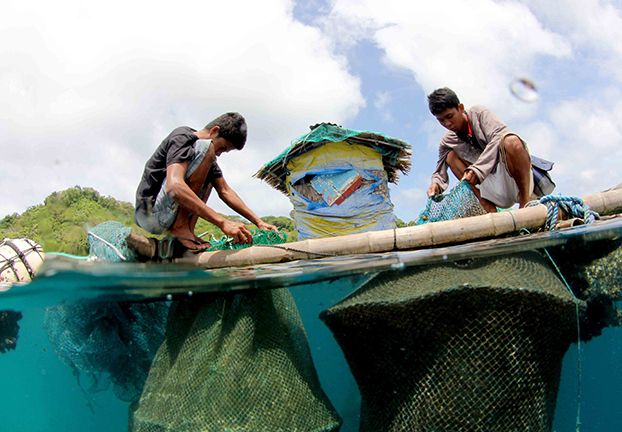
Floating offshore cages house dozens of juvenile groupers in the municipality of Taytay in Northern Palawan (Jun Lao)

Cherished in China for their ‘lucky’ red color, leopard coral trout (Plectropomus leopardus) await their fate inside a floating cage in Palawan. Some die of stress and disease – but enough survive to make the trade lucrative. Gregg Yan/WWF)






Destinations
Checking the wind turbines of Pililla… since there’s not much else being offered
The Municipality of #Pililla promotes #pilillawindfarm #windturbines as tourist attractions… and nothing else, becoming a #touristtrap as checked during this #LGBT visit.

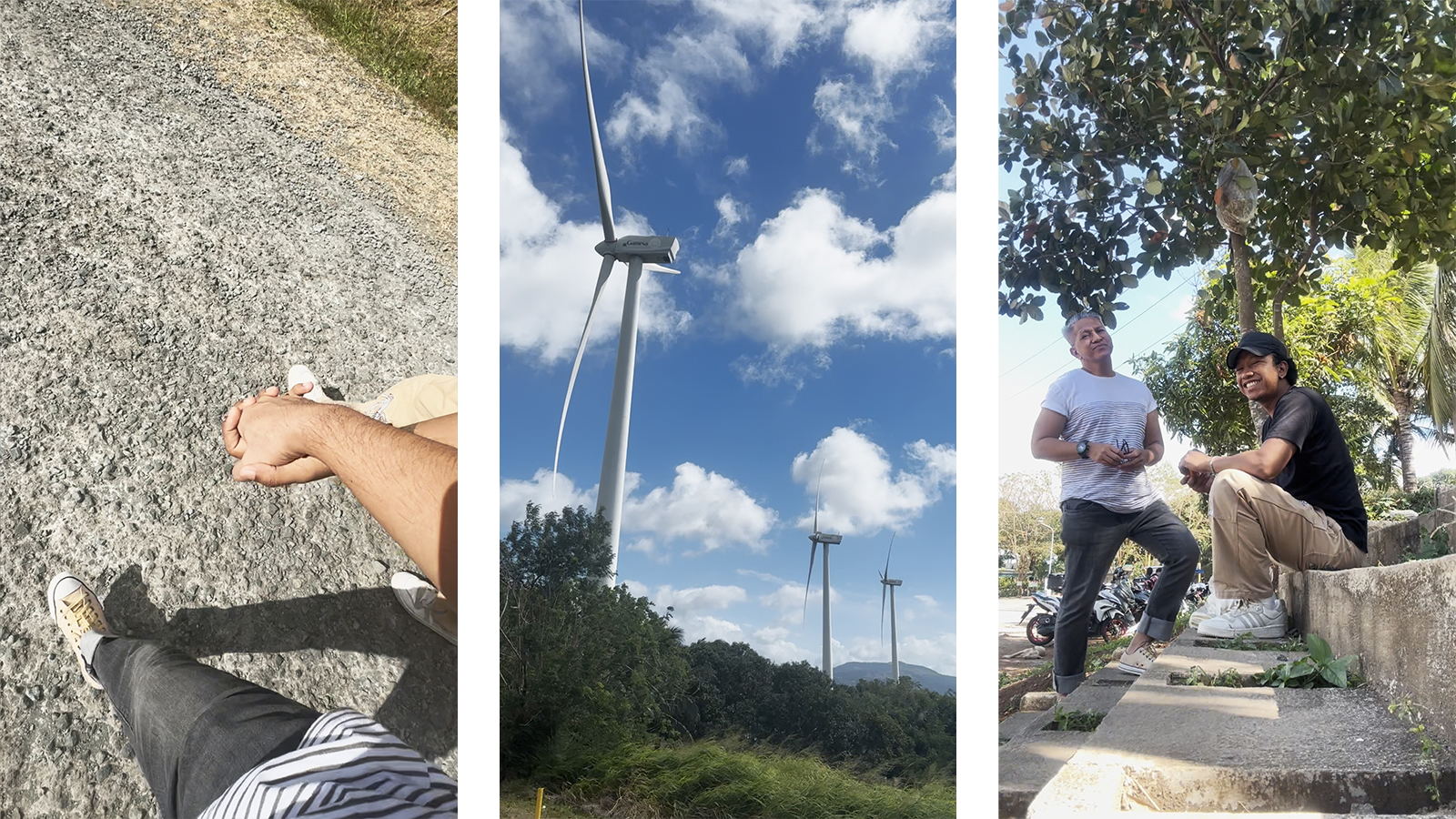
As a tourist, there are two ways to look at the Pililla Wind Farm. On one hand, you head there to see how we’re making use of nature to propel progress. But on the other hand, you go there because… there’s nothing else worth checking out in the area; we are so tourist site-deprived that we end up glorifying not-even-pretty gigantic turbines.
Anyway, we headed there, yes, and here are some observations.
@outragemag Municipality of #Pililla promotes #pilillawindfarm #windturbines as #tourism… and nothing else, becoming a #touristtrap as checked during this #LGBT ♬ original sound – Outrage Magazine
Una, the place is really only accessible for those with private vehicles. If you’re commuting, you can take a tricycle to and from the nearby Tanay Public Market. But don’t expect to be able to just hail sasakyan while there.
Ikalawa, open from 7AM to 6PM every day, you’d see 27 wind turbines operated by Alternergy Philippine Holdings Corporation there.
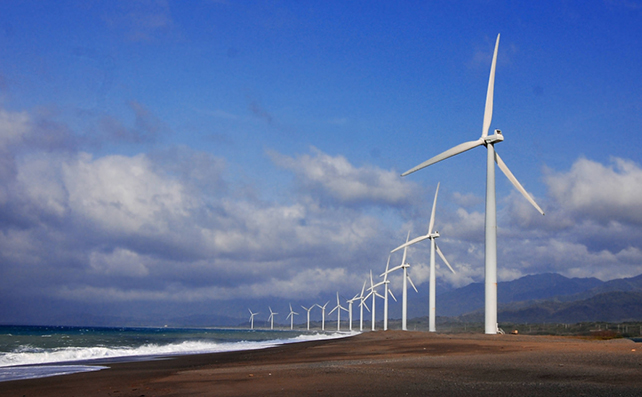
Standing atop hills at 300 meters above sea level, overlooking Laguna de Bay, each turbine can produce 2MW, with the entire farm generating almost 150 Gigawatt hours of electricity per year. To put this in perspective lang, ha, it could provide power for approximately 90,000 to 100,000 households… assuming, of course, na what’s produced is provided cheaply to the people.
But yes, you’d see “science in action” here… in a very, VERY limited way, of course.
Ikatlo, even if the Pililla Wind Farm doesn’t charge fees, everything is still for profit here – e.g. parking, stuff you can use while walking (like umbrellas), access to some viewing areas, and so on. The greed is most apparent in the access to toilets; here, all the shops have “PAY CR” since Pililla Wind Farm itself doesn’t have similar publicly-available facilities.
So… should you visit? If you have a car, daan lang siguro, quickly drop by. Or just enjoy those windmills from afar siguro. Because either/or, there’s not much to gain while at the Pililla Wind Farm – e.g. no people to discuss with you how farming the wind works, no glimpses of how this particular wind farm actually works, no picnic areas to stay at while enjoying the views, and so on.
Of course, if you really just want to take pics din, then yeah… head there. Pero kami, off we go for more LGBTQIA+ discoveries…
The Pililla Wind Farm is located at F8CX+VJW, Manila E Rd., Pililla, Rizal Province.
Destinations
Checking the café vibe of Filipino-ish Yellow Bird resto
#Breakfast-hunting in #Antipolo led us to #YellowBird #restaurant that offers #Filipinofood, Italian dishes, #cafe goodies, atbp. But… is it worth checking out?
Antipolo has, particularly lately, been trying to make a name as a must-check place for foodies. If most places in Metro Manila close at night, Antipolo has 24-hour venues that boast not just not-bad food, but views of cities of Metro Manila as they succumb to darkness.
So one morning, after a night shift, we decided to grab something at any of their breakfast nooks… which was how we ended up at Yellow Bird Café X Kitchen.
@outragemag #Breakfast-hunting in #Antipolo led us to #YellowBird #restaurant that offers #Filipinofood, Italian dishes, #cafe ♬ original sound – Outrage Magazine
Una, the place isn’t hard to find for those with private vehicles; Google Maps or Waze will lead you there easily. But noticeably, we didn’t notice public transportation during our visit.
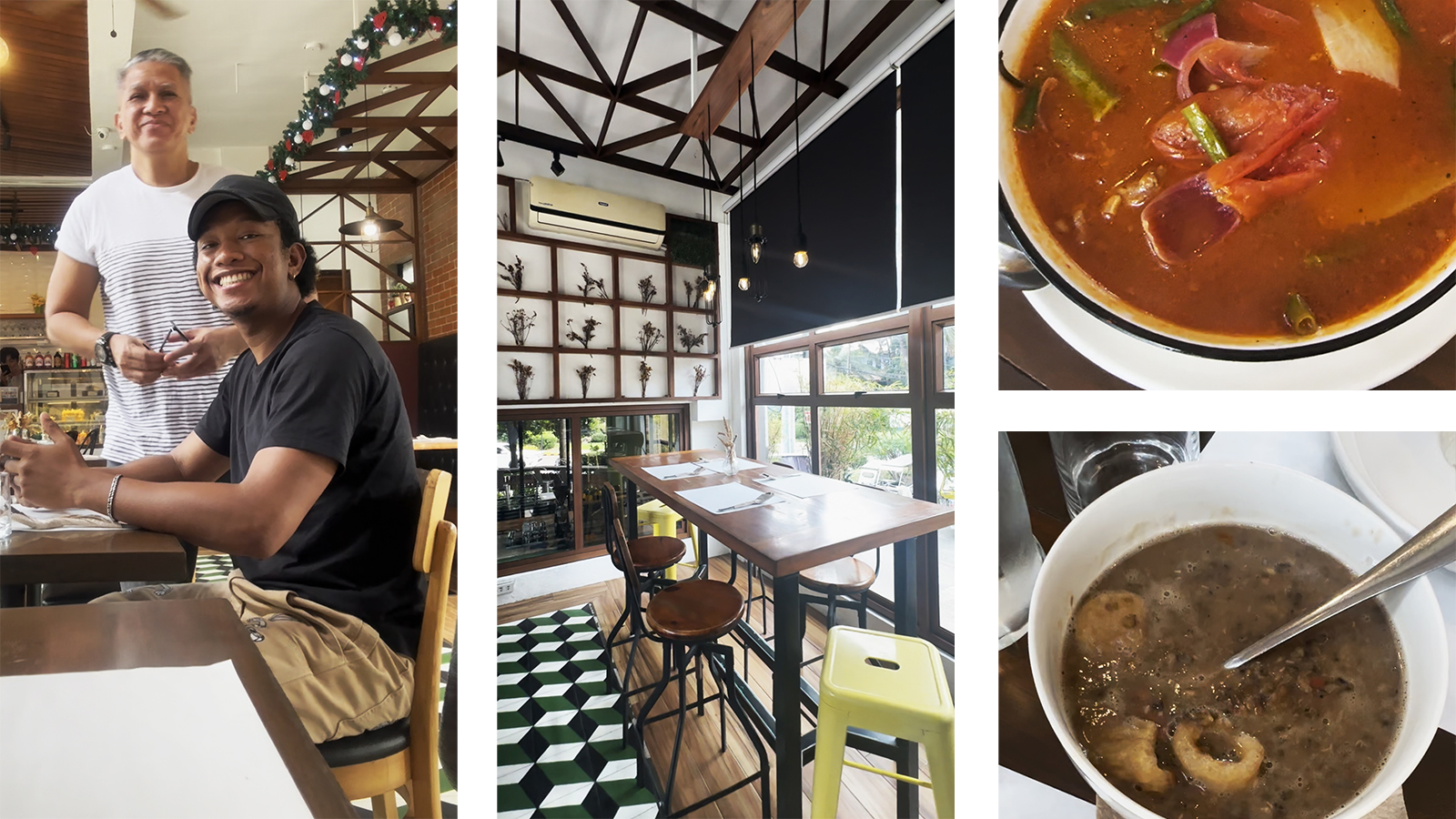
Ikalawa, the actual place was… airy, thanks to the glass walls/windows. But while this may also be a steakhouse/Filipino restaurant/Italian-ish restaurant/and so on, look-wise, it’s more a café that happens to serve some food. Rustic also came to mind, thanks to those dried flowers everywhere…
Ikatlo, the staff’s deadma; no one was friendly enough to stick to mind. They just tell you where to sit, take your order, deliver your food or drinks, then… kebs na. No small chitchats on what’s good or not, or whatever.
Ika-apat, how was the food?
- The ₱140 Americano was… forgettable. Mag-tubig ka na lang while waiting for your food.
- The Sinigang na Baka (₱525) was actually a surprise – that is, this isn’t your typical sinigang, Using kamatis (tomato) instead of bayabas (guava) or sampalok (tamarind) or miso, the broth was tasty without being overpowering. Yes, the meat could have been softer/more tender, but at least it wasn’t chewy. And the serving could have been bigger, considering the asking price. But yes, this one’s worth checking out.
- The Munggo & Chicharon (₱295) wasn’t bad at all… but there’s nothing special about this as it’s no different from the munggo (beans) that you’d get from some carinderia.
That sinigang may have been a pleasant surprise (and this is even if the meat needed more time to boil), but I doubt that’s enough to lure us to head back anytime soon. This isn’t a bad place at all, but when in Antipolo, a place that has more food venues to discover, we – or you – may as well check others…
So off we go, as we search for more lafangan venues.
Yellow Bird Café X Kitchen is located at Blk 2, Mission Hills Blvd, Antipolo, 1870 Rizal Province.
Destinations
Checking Cavite’s Lolo Claro’s
It claims to sell over 400 pieces of #friedchicken per day, so Lolo Claro’s must be good, no? We checked the former mami house turned restaurant in #Cavite during a quick #LGBT wandering.
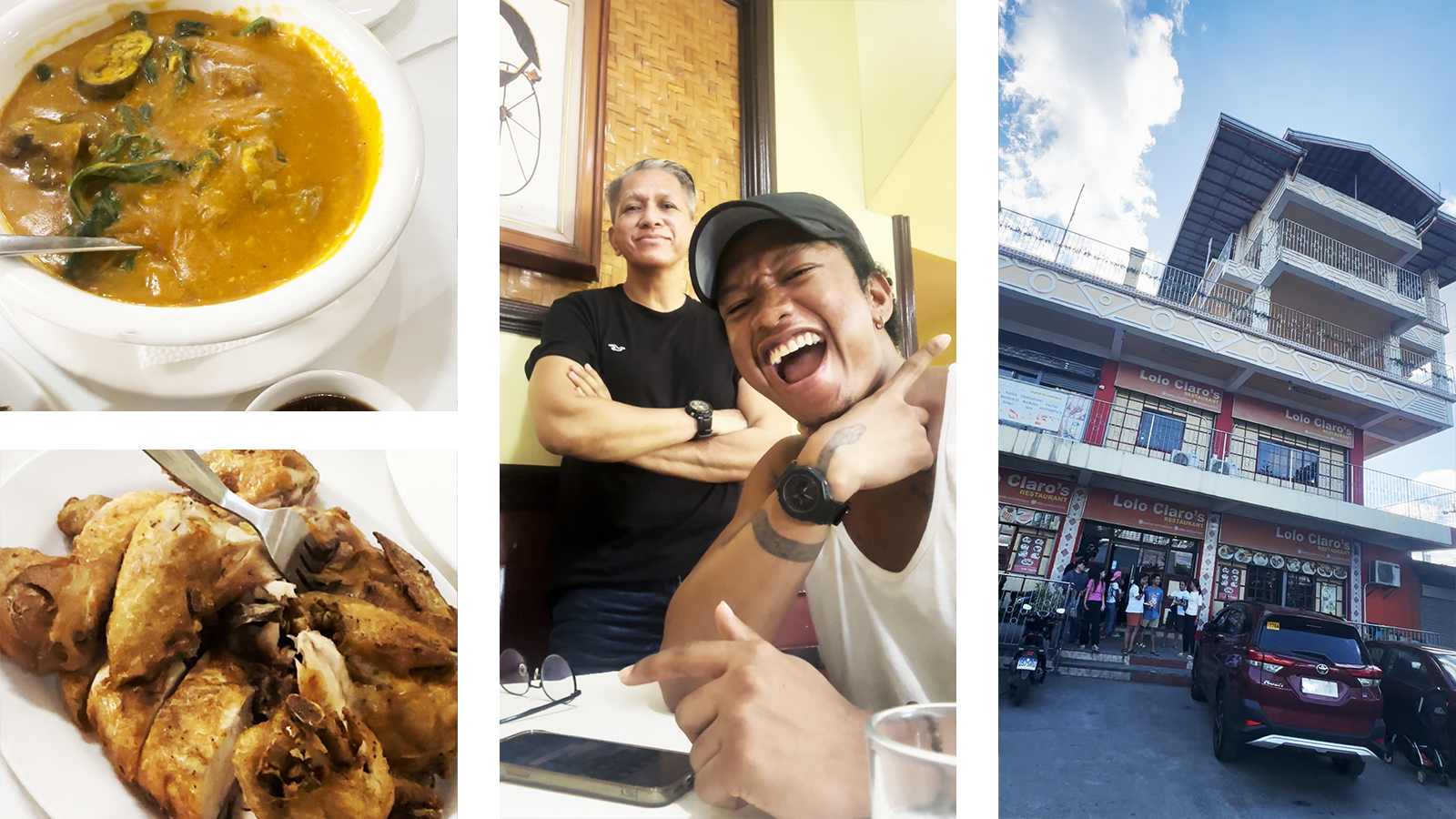
So… if a resto claims to sell as many as 400 fried chickens a day, you’re bound to think that what they have may be really good. So we checked Lolo Claro’s Restaurant in Cavite City, one of those restos that can claim that it was built by, yep, friend chicken.
How was Lolo Claro’s Restaurant for us?
@outragemag It claims to sell over 400 pcs of #friedchicken per day, so #LoloClaros in #Cavite must be good, no? We #LGBT checked this former #mami house turned #restaurant ♬ original sound – Outrage Magazine
Una, as background, this place is somewhat historical. Started over 25 years ago by Bernie Ilagan in honor of his late kutsero (horse carriage driver) grandfather, it used to just be a food stall that sold mami, among others, but eventually grew to have multiple branches.
Ikalawa, the branch we visited was easy to find, as it’s along a major road in Cavite City. Yeah, public transport passed the area. And there’s ample open-air parking for those with private vehicles.
Ikatlo, the resto is luma (antiquated). This should also serve as a warning since there, tabletops are peeling, corners are soiled, walls have who-knows-what prints, and so on. The squeamish may say it borders on… dirty, and they won’t be completely wrong.
Ika-apat, the staff was perfunctory – e.g. you have to pester them to clean a table for you, or follow-up an order, et cetera.
Ikalima, how were the offerings?
- Claro’s Fried Chicken (₱275 for half, ₱475 for whole) was similar to Max’s chicken – e.g. not that big and not over-fried, but not that tasty and quite dry.
- The chopsuey (₱290) was… peculiar. Think deconstructed, and you’d have an idea of their version – i.e. the veggies were steamed or boiled, and the sauce was just poured on top before serving. Good for those who just like steamed veggies; but for those who want chopsuey the traditional way, this isn’t gonna please you.
- The kare-kare (₱360) needed more oomph; kulang sa lasa. But at least you get enough laman, from the meat slices to the veggies. And yeah, the bagoong (shrimp paste) was good… even if they didn’t serve a lot.
Lolo Claro’s Restaurant was packed when we visited; we actually had to wait for a table to be vacated before we could eat. So this is a popular resto, indeed. I can’t, and won’t, justify this; to each his own. But we have reservations… with the venue, the staff, the food… And so off we go in search of more lafangan venues…
Lolo Claro’s Restaurant is located at Governor’s Drive corner Naic Indang Road, Cavite City.

Manulife launches GoalReady health solutions

Investing in employee health leads into a stronger, more productive workplace

Checking the wind turbines of Pililla… since there’s not much else being offered

Bell-bottoms today, miniskirts tomorrow: Revealing fashion’s 20-year cycle

Heart disease risk may start in the womb, study finds

Viagra could hold key to halting Peyronie’s disease

Healthier brains may be more resilient to early Alzheimer’s disease

Grape consumption linked to changes in gene expression and improved skin health

Is ‘yo‑yo dieting’ really harmful? New analysis challenges long‑standing assumptions about weight cycling

Osteoporosis could prove deadly in postmenopausal women
Healthier brains may be more resilient to early Alzheimer’s disease

Study: Egg consumption is associated with a lower risk of Alzheimer’s Disease
Is ‘yo‑yo dieting’ really harmful? New analysis challenges long‑standing assumptions about weight cycling
Grape consumption linked to changes in gene expression and improved skin health
Viagra could hold key to halting Peyronie’s disease

Checking the café vibe of Filipino-ish Yellow Bird resto
Heart disease risk may start in the womb, study finds

Study finds low-dose eye drops successful in managing adult myopia for 24 hours
Bell-bottoms today, miniskirts tomorrow: Revealing fashion’s 20-year cycle
Osteoporosis could prove deadly in postmenopausal women

-
 NewsMakers1 week ago
Healthier brains may be more resilient to early Alzheimer’s disease
-
 NewsMakers3 weeks ago
Study: Egg consumption is associated with a lower risk of Alzheimer’s Disease
-
 NewsMakers1 week ago
Is ‘yo‑yo dieting’ really harmful? New analysis challenges long‑standing assumptions about weight cycling
-
 NewsMakers1 week ago
Grape consumption linked to changes in gene expression and improved skin health
-
 NewsMakers1 week ago
Viagra could hold key to halting Peyronie’s disease
-
 Destinations2 weeks ago
Checking the café vibe of Filipino-ish Yellow Bird resto
-
 NewsMakers1 week ago
Heart disease risk may start in the womb, study finds
-
 NewsMakers3 weeks ago
Study finds low-dose eye drops successful in managing adult myopia for 24 hours